The body language of dogs: how to interpret signs of happiness and stress
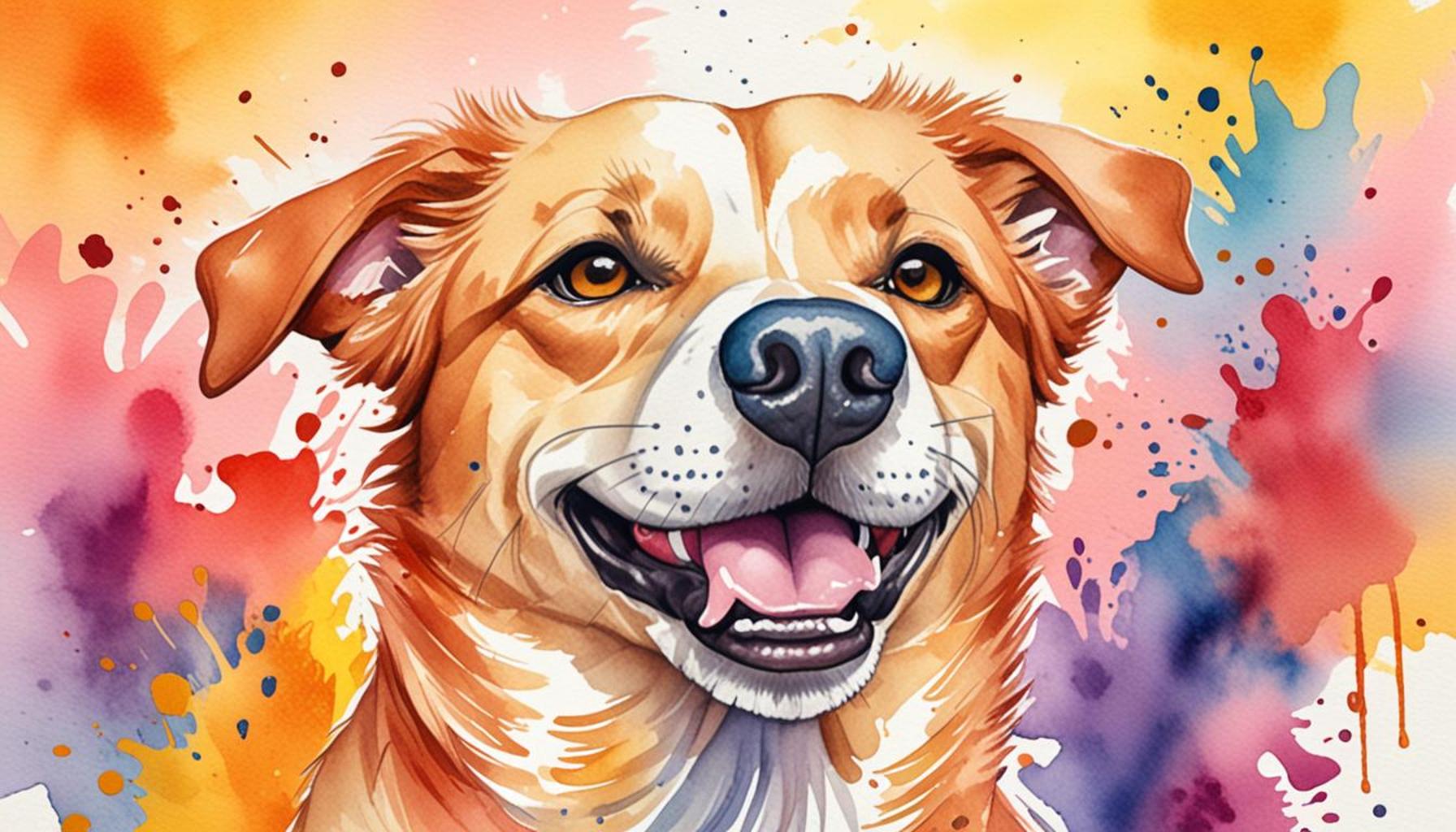
Decoding Canine Body Language
Dogs possess a remarkable ability to express their emotions through a wide range of body language. Whether you are a new dog owner or have had your furry friend for years, understanding these non-verbal cues can significantly deepen your connection and improve your dog’s happiness and wellbeing. Dogs communicate their feelings not only through barks but also through their posture, facial expressions, and other subtle behaviors.
To foster a strong bond with your pet, observing their emotional state is imperative. Signs of happiness include:
- Wagging tail held high: A tail that wags vigorously and is held upright indicates excitement and joy, especially when your dog approaches you with an enthusiastic bounce.
- Relaxed body posture: Dogs showing relaxation may lie on their backs, exposing their bellies, or have a loose, comfortable stance while standing. This signifies that they feel secure in their environment.
- Playful demeanor: An eager invitation to play can be seen when a dog bounces around, uses a play bow (front legs stretched forward while keeping their back end upright), or engages in playful chasing. These gestures often indicate enthusiasm and readiness to interact.
Conversely, be aware of signs of stress:
- Tucked tail or lowered body: A tail tucked between the legs often indicates fear, while a body that appears tense or lowered suggests anxiety or discomfort.
- Frequent yawning or lip licking: While these actions are often associated with tiredness, they can also be signs of stress. If your dog yawns several times or licks their lips without the presence of food, it may be trying to signal discomfort or anxiety.
- Excessive barking or whining: Vocalizations that occur more frequently than normal can indicate distress or frustration. If your dog is barking or whining while attempting to avoid certain activities or stimuli, it’s crucial to assess what might be making them feel threatened.
Understanding these emotional cues not only helps in preventing potentially harmful situations but also promotes your dog’s overall wellbeing. By tuning in to their body language, you can mitigate stressors and create a nurturing environment. This attentiveness ensures your dog feels safe and understood, enhancing their quality of life.
This article will further explore various aspects of canine body language, allowing you to decode the emotions of your furry companion effectively. With this knowledge, you can respond suitably, enhancing both your relationship and your dog’s happiness.
DISCOVER MORE: Click here to learn about your cat’s daily routine
Understanding Your Dog’s Emotional State
To truly communicate with your dog, it is vital to not only recognize but also accurately interpret their body language. Dogs are incredibly nuanced in their emotional expressions, enabling them to convey anything from unbridled joy to overwhelming stress through subtle physical cues. By developing an awareness of these signals, you can pave the way for a more harmonious relationship between you and your canine companion.
One of the first things to note is that a dog’s tail position plays a significant role in their emotional state. While a wagging tail generally indicates happiness, the speed and height of the wag can also provide insights. For instance, a tail that wags slowly and low may signal uncertainty or insecurity, while a fast, high wag often suggests excitement and eagerness. Recognizing these variations can be key to understanding what your dog is communicating.
Additionally, you should consider the dog’s facial expressions. Just like humans, dogs have the capacity to express a spectrum of emotions through their faces. For example, a relaxed mouth with a slightly open jaw can indicate a dog that is calm or happy. In contrast, a wrinkled forehead and narrowed eyes may denote stress or fear. Pay close attention to your dog’s eyes as well; soft eyes with relaxed eyelids are often a sign of contentment, whereas wide, alert eyes can suggest a dog is on high alert or feeling threatened.
Body posture is yet another essential aspect to monitor. A dog that stands tall with its chest out and tail held high is typically displaying confidence and happiness. Conversely, if you notice your dog crouching low to the ground, it may be experiencing fear or anxiety. Keeping a close eye on how your dog carries itself can provide important context for understanding their feelings in different situations.
When assessing your dog’s emotional health, it’s also vital to observe their interactions with their environment. Dogs often display stress responses during encounters that challenge or frighten them. Here are some behaviors to watch for:
- Excessive panting: While panting can be a normal response to heat or exercise, sudden or intense panting without physical exertion may indicate stress.
- Hiding or seeking solitude: If your dog is consistently retreating to quiet corners or under furniture, it could be seeking refuge from overwhelming surroundings.
- Destructive behavior: Dogs may resort to chewing or digging when they are anxious or bored, illustrating their need for mental stimulation or comfort.
By becoming attuned to these signs, you not only enhance your ability to respond to your dog’s needs but also contribute to their overall happiness and mental health. A knowledgeable pet owner can better adjust their environment or daily routine to reduce stressors and cultivate a positive atmosphere for their dog. Understanding and interpreting canine body language is an invaluable skill that every dog owner should strive to develop.
Understanding the body language of dogs is crucial for any dog owner or enthusiast. Knowing how to interpret these cues can significantly enhance the bond between you and your furry friend, ensuring a more peaceful coexistence. Dogs communicate much through their body posture, facial expressions, and vocalizations, offering insights into their emotional states.When a dog wags its tail, it isn’t just a sign of excitement; the speed and position of the tail can indicate whether that excitement is happy or anxious. A high and fast wag typically signifies happiness, while a slow wag at a neutral position might hint at uncertainty or stress. Furthermore, understanding a dog’s ears is equally important. Forward-facing ears may indicate alertness and interest, while ears pinned back can signal discomfort or fear.One of the most telling signs of a dog’s state is its overall body posture. A relaxed, loose body indicates contentment, while a tense, rigid dog may be experiencing distress. If you observe your dog frequently licking its lips or yawning, these can be subtle signals of anxiety or stress. It’s essential to create a safe environment for your dog where they feel comfortable expressing their emotions. By fostering an atmosphere of trust, dogs are less likely to exhibit signs of stress and more likely to communicate their needs effectively. Keep an eye on the details, and you’ll see how these small observations will lead you to a deeper understanding of your dog’s emotional world, creating a happier and healthier relationship. To dive deeper into this fascinating topic, consider familiarizing yourself with the common indicators of canine body language associated with both happiness and stress. It’s not just about observing; it’s about responding to these cues with care and attention.
DIVE DEEPER: Click here to learn more about how adoption services play a crucial role
Recognizing Subtle Signs of Stress
While understanding the signals of happiness in dogs is crucial, recognizing the subtle signs of stress is equally important for fostering a safe and loving environment. Every dog is unique, and their responses to stressors vary from one animal to another. By familiarizing yourself with common stress indicators, you can respond appropriately to help your furry friend regain their confidence and comfort.
Ear position is one of the more overlooked elements of canine body language. When a dog’s ears are held back against their head or tilted sideways, it may indicate anxiety or submission. In contrast, ears that are perked up with an alert stance can signal curiosity or excitement. Observing how your dog’s ear position changes in reaction to different situations, such as new sights or sounds, can provide insights into their comfort level.
Another important cue to watch for is vocalization. While barking is a common form of communication, the tone and frequency of barks can reveal a lot about your dog’s emotional state. For example, a high-pitched bark may suggest playfulness or excitement, whereas deep, repetitive barking can indicate distress or the need for attention. Observing vocalizations in conjunction with body language and environment can help piece together a clear picture of your dog’s feelings.
Many dogs will inadvertently communicate their discomfort through licking or yawning. Excessive licking of their lips, paws, or even the air can point to stress, often in response to tension-filled situations. Similarly, yawning is not solely associated with tiredness; dogs may yawn while they attempt to diffuse stress, indicating their need for reassurance. Becoming aware of these behaviors can help you identify potential sources of anxiety in your dog’s environment and allow you to make necessary adjustments.
The Importance of Context
Interpreting a dog’s body language is not just about recognizing individual signs; context is paramount. The same behaviors can have different meanings based on the situation. For instance, dogs may wag their tails when they are anxious in a crowded park, while that same wagging may indicate joy when they see their favorite toy at home. By being mindful of your dog’s surroundings and their prior experiences, you gain a comprehensive understanding of their emotional landscape.
Consider incorporating a consistent routine into your dog’s life to minimize stress. Dogs thrive on predictability, so having a regular feeding schedule, daily exercise, and consistent training sessions can alleviate anxiety and promote a sense of security. By establishing a routine, you help your dog feel more in control of their environment, which can lead to fewer stress signals and more joy.
Finally, a well-exercised dog is less likely to exhibit signs of stress. Regular physical activity not only helps burn off excess energy but also supports mental health. Engaging in daily walks, playtime, or interactive games can strengthen your bond while keeping stress at bay. Being attentive to your dog’s play behavior can also provide insights; enthusiastic play typically indicates happiness, while disinterest in games may signal potential emotional distress.
By remaining observant and proactive in understanding your dog’s body language, you’ll be able to create a more supportive and nurturing environment. The journey of canine communication is an ongoing process, and the rewards of such an understanding relationship are immeasurable for both you and your four-legged friend.
LEARN MORE: Click here for positive training techniques
Conclusion: Navigating the Canine Communication
Understanding the body language of dogs is an invaluable skill that enhances the bond between you and your furry companion. Recognizing the signs of happiness—like wagging tails, playful bounces, and relaxed postures—allows you to celebrate their joyful moments, while being attuned to stress signals—such as tucked ears, excessive licking, or a low stance—can prevent anxiety and promote a calming environment.
The dynamic nature of canine communication emphasizes the importance of context. A wagging tail may express excitement in familiar surroundings but transform into a sign of unease in a bustling public space. This highlights the idea that every dog is distinct; understanding their specific triggers and comfort levels is essential. Establishing a consistent routine and encouraging regular exercise not only minimizes stress but also fosters happiness. Moreover, investing time in training and socialization can significantly enhance your dog’s confidence, leading to fewer signs of distress.
Ultimately, the journey of interpreting your dog’s body language unfolds as an ongoing dialogue built on trust, patience, and empathy. As you hone your skills in noticing and responding to their cues, you’ll not only nurture a deeper understanding of their emotional health but also cultivate a fulfilling companionship. Embrace the opportunity to discover the nuanced expressions of your dog’s personality, and forge a rewarding relationship that prioritizes their well-being and happiness.