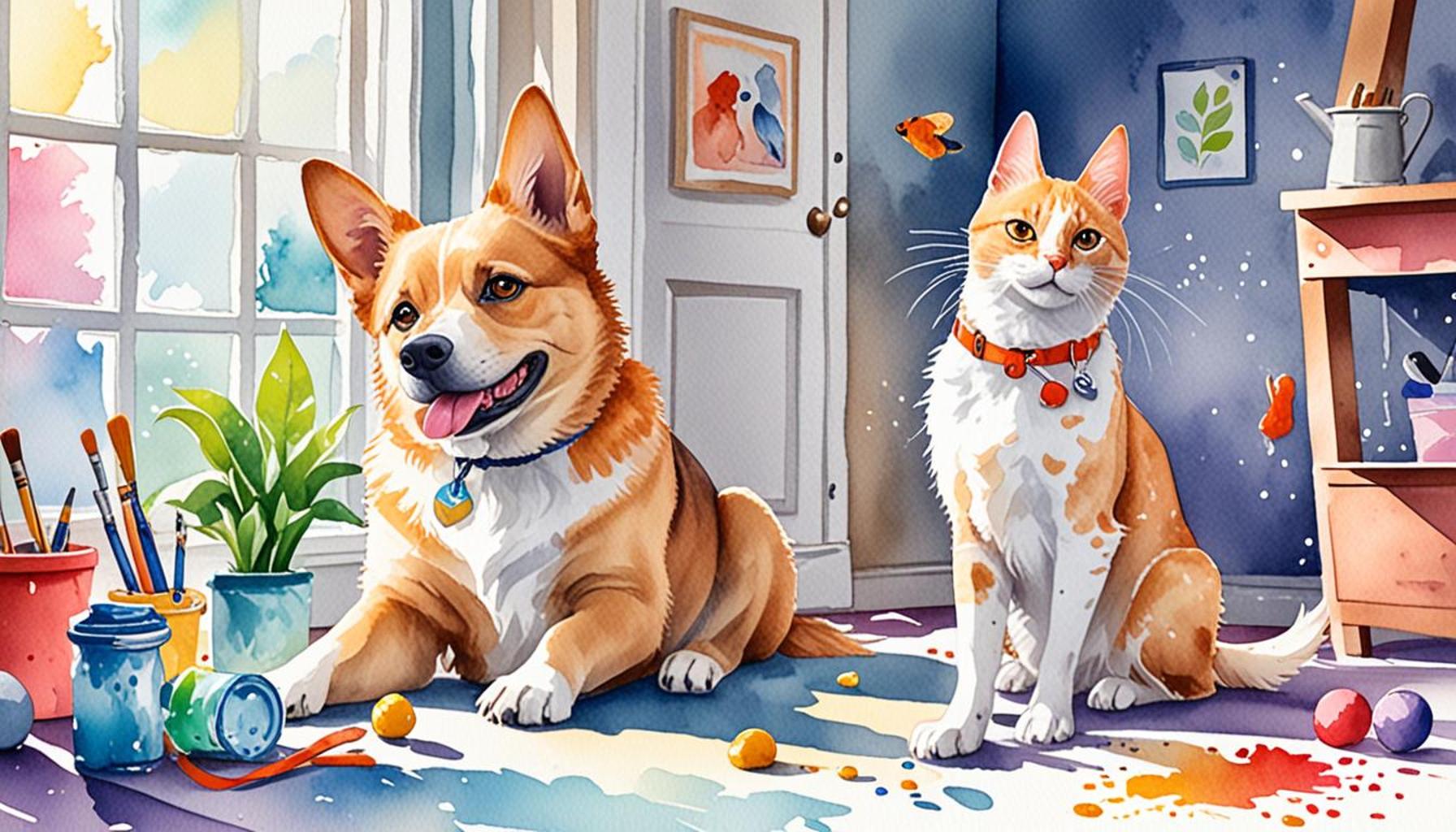
The impact of human interactions on the social behavior of dogs and cats: how cohabitation affects their personality

Understanding the Influence of Human Interaction on Pet Behavior
Our interactions with pets form a vivid and intricate backdrop that significantly impacts their social behavior and emotional development. These animals, particularly dogs and cats, exhibit behaviors that reflect the environments in which they live. By delving deeper into how human interactions mold pet personalities, we can uncover the nuances of animal behavior that both educate and enrich our relationships with them.
Pets do not exist in a vacuum; their behavior is sculpted by a multitude of factors, prominently including their living conditions. Consider the element of cohabitation styles: a dog raised in a lively household filled with children may develop a more outgoing and playful demeanor compared to one that spends its days in a quieter, more solitary environment. Conversely, a cat living among multiple feline companions may become competitive or sociable, depending on the dynamics of their interactions. Understanding these environments can help owners create a more harmonious space for their pets.
Socialization opportunities also play a crucial role in shaping a pet’s behavior. Early exposure to varied experiences—such as different people, places, and other animals—can foster confidence and adaptability. For instance, a puppy that frequently encounters different settings and social groups is likely to grow into a well-adjusted adult, comfortable in a range of environments. This highlights the importance of enrolling puppies and kittens in socialization classes, as they provide essential experiences that contribute to overall behavior.
Training methods employed by pet owners can similarly have a profound effect on behavior. Positive reinforcement techniques, such as rewarding good behavior with treats and praise, encourage pets to repeat those actions. In contrast, methods that employ negative stimuli can instill fear and anxiety, leading to destructive behaviors or withdrawal. This understanding leads to a crucial conversation about the best practices in training, advocating for methods tailored to individual pets’ temperaments and backgrounds.
These layers of interaction and experience raise essential questions about our pets’ emotional and psychological welfare. How does the presence of fellow pets or frequent human interaction influence a dog’s ability to engage calmly in social settings? What can we learn from observing our pets’ reactions in various circumstances, especially when faced with stress or uncertainty? Studying these aspects not only enriches our understanding of our companions but also leads us down paths of improved animal welfare practices, promoting more compassionate care methods.
By engaging thoughtfully with the complex behaviors of dogs and cats, we enhance not only our own knowledge but also the quality of care we provide. Such understanding fosters better relationships, ensuring our furry friends lead fulfilling, happy lives. As caretakers, the onus is upon us to create environments conducive to healthy, positive experiences, ultimately benefitting the overall emotional well-being of our beloved pets.
DISCOVER MORE: Click here to learn about balanced nutrition for your pet’s health
The Role of Cohabitation in Shaping Pet Personalities
Cohabitation undoubtedly serves as a pivotal factor in determining the social behavior and personality traits of both dogs and cats. The presence of other animals, as well as the dynamics of human interactions, creates a rich tapestry of experiences that influence an animal’s behavior. For instance, dogs are inherently social creatures; they thrive on companionship, whether that’s with humans or other dogs. A dog raised with a consistent group of people and possibly other canines will often display greater sociability and empathy. This contrasts sharply with dogs that experience isolation or limited social interaction, who may grow to be anxious or overly guarded in new situations.
Similarly, cats exhibit a range of social behaviors that are heavily influenced by their living environment. Contrary to the myth that cats are solitary by nature, many felines thrive in multi-pet households where they interact with other cats or even dogs. These interactions can lead to a more outgoing personality in cats, enabling them to adapt better to new situations and new people. However, the quality of these interactions is key; although some cats may enjoy the company of other animals, they can also become stressed in a crowded or aggressive environment.
Key Factors Influencing Pet Personalities Through Cohabitation
To better understand how cohabitation shapes the personalities of our beloved pets, we can examine several critical factors:
- Quality of Interaction: Friendly and positive interactions foster trust and security, while negative experiences can lead to fear-based behaviors.
- Number of Companions: A larger group of animals may mean more social opportunities but can also lead to competition, breeding anxiety in some pets.
- Human Engagement: Dogs and cats that receive ample attention, playtime, and training from their owners are generally more well-adjusted and exhibit fewer behavioral issues.
- Early Exposure: Pets that are introduced to various environments, sounds, and different species at a young age tend to adapt better and show enhanced confidence.
Research indicates that positive interactions are essential for developing a well-rounded pet. According to a study published in the journal “Applied Animal Behaviour Science,” dogs that were routinely socialized with other dogs and people during their formative months exhibited significantly fewer behavioral problems than those who lacked such exposure. This demonstrates the long-term impact that cohabitation and socialization can have on behavior.
As we continue to explore the connection between human interactions and the social behavior of dogs and cats, it is paramount to recognize the importance of fostering environments where pets can thrive. Not only does a positive home life improve overall temperament, but it also lays the groundwork for a lifetime of healthy relationships with both humans and other animals. A better understanding of these dynamics enables pet owners and shelter operators alike to implement practices that enhance animal welfare and promote contentment in our furry companions.
The Role of Socialization in Shaping Pet Behavior
When exploring the impact of human interactions on the social behavior of dogs and cats, it becomes essential to analyze how these interactions and the cohabitation environment shape their personalities. Pets thrive in dynamic social settings, where consistent engagement with humans can yield significant benefits. For instance, regular interaction fosters a sense of security, leading to a more balanced temperament in both cats and dogs.Socialization practices from a young age are crucial. Dogs, which are inherently pack animals, often respond positively to structure and companionship. A dog raised in a multi-pet environment may exhibit enhanced social skills, improved communication, and increased tolerance. Conversely, a lack of socialization during a critical developmental phase can lead to behavioral issues, including aggression or anxiety. On the other hand, cats are frequently viewed as more independent; however, they too benefit from positive human interactions. Cats that regularly interact with people and other pets exhibit lower stress levels, resulting in better adaptability in diverse environments.Furthermore, the influence of cohabitation extends beyond mere interaction. The presence of other animals can evoke natural instincts in both species. For instance, when dogs cohabit with cats, they often adjust their behaviors to accommodate a feline’s more subtle communication cues. This can lead to a harmonious coexistence where both species display a reduction in stress and anxiety levels, contributing to a well-rounded personality development.Research suggests that the dynamics of cohabitation can enhance the cognitive abilities of pets, enriching their experiences and nurturing a collaborative environment. As such, pet owners are encouraged to foster interactions that promote social development, ensuring pets can form beneficial relationships that reciprocate positive outcomes for both dogs and cats.
Building a Harmonious Multi-Pet Household
As you consider the impact of cohabitation on the social behavior of dogs and cats, it is important to understand that integrating multiple pets requires intentional efforts. Establishing a harmonious household starts with careful introductions and consistent management of social dynamics. This includes recognizing body language signals and intervening in potential conflicts. Awareness and adjustment to each pet’s unique personality traits can pave the way for a peaceful coexistence.In addition, balancing human attention among pets fosters an atmosphere of equality and fairness, minimizing jealousy—a common trigger for behavioral issues. By prioritizing positive reinforcement and establishing clear boundaries, pet owners can significantly influence their pets’ social developments, leading to enhanced emotional stability and shared companionship among pets.Understanding and actively nurturing these interactions reveal the profound effects of human involvement on shaping the personalities of dogs and cats, emphasizing the importance of nurturing environments.
LEARN MORE: Click here for effective cat training techniques
Behavioral Manifestations of Cohabitation
The influence of cohabitation on the social behaviors of dogs and cats not only shapes their personalities but also governs how they respond to a myriad of stimuli throughout their lives. In environments rich with positive human and animal interactions, both dogs and cats often exhibit behaviors that signify emotional resilience and adaptability. For instance, a dog raised in a household where it routinely interacts with children and guests is likely to display traits such as friendliness and playfulness, demonstrating an ease in social situations. In contrast, dogs that may have been neglected or subjected to negative experiences may become overly anxious, fearful, or even aggressive in similar circumstances.
Likewise, the social behavior of cats can reflect their cohabitation experiences. A cat that shares its home with a well-socialized dog, for example, may learn to adopt some canine behaviors—like engaging in play with humans or exploring unfamiliar areas with curiosity—characteristics less commonly associated with the more reserved feline persona. Studies have shown that such cross-species interactions can lead to notable changes in a cat’s temperament. These findings suggest that exposure to diverse social interactions equips both cats and dogs with skills that enhance their ability to navigate new experiences.
The Science Behind Cohabitation and Social Behavior
Psychologists and animal behaviorists emphasize that the interactions between pets and humans, coupled with interspecies relationships, form a crucial aspect of their behavioral development. A landmark study published in the journal “Animal Cognition” revealed that dogs conditioned to interact positively with humans demonstrated improved problem-solving abilities compared to those that had limited exposure. This study suggests a direct correlation between human engagement and the enhancement of cognitive skills, which in turn affects their confidence and behavior.
Moreover, the repercussions of cohabitation extend to the physiological aspects of these animals. Dogs that are raised in nurturing environments often exhibit lower levels of the stress hormone cortisol, which has a direct effect on their ability to interact positively with both fellow pets and humans. Cats, similarly, show a reduction in stress-related behaviors when they are in households that promote companionship and security. This highlights how crucial it is to create an environment that not only fosters proper interactions but also prioritizes emotional well-being.
Long-Term Effects of Socialization in Pets
Understanding the long-term effects of cohabitation and social behaviors in pets allows owners to make informed decisions regarding their pet care practices. For example, creating a multi-pet household can lead to improved social behavior, but it’s essential to consider each animal’s temperament and needs. Gradual introductions and plenty of opportunities for positive interactions are vital, as improper introductions can lead to lifelong behavioral problems.
Furthermore, shelters and rescue organizations often employ these principles when socializing pets before adoption. By facilitating positive interactions among animals and between animals and humans, shelters can enhance the adoptability of pets and reduce the likelihood of behavioral issues in their new homes. This aligns with the growing emphasis on adoption and fostering practices that encourage emotional and social well-being among pets.
In summary, the intricate ways in which cohabitation influences the social behaviors of dogs and cats open up avenues for further exploration. As we uncover more about the relationship between interactive practices and personality development, we further solidify our responsibility as pet owners and enthusiasts to prioritize healthy, social environments for our furry companions.
DISCOVER MORE: Click here for tips on recognizing your cat’s stress signals
Conclusion
The exploration of how human interactions shape the social behavior of dogs and cats reveals a compelling narrative about the importance of cohabitation. It is abundantly clear that the environment in which pets are raised significantly influences their personalities and behavioral traits. With the right balance of positive interactions—whether with humans or other animals—dogs and cats can develop thriving social skills that enhance their adaptability and emotional wellbeing.
Research highlights that these interactions not only foster friendliness and reduce stress levels but also improve cognitive functions, as seen in studies that link human engagement with problem-solving skills in dogs. For cat owners, the capacity for a cat to adopt behaviors from a well-socialized dog underscores the potential benefits of fostering diverse animal relationships within the home.
Thinking critically about the long-term implications of cohabitation and socialization strategies is vital. As pet owners and caretakers, we must advocate for environments that prioritize mutual respect, safety, and consistent positive interactions among pets. This understanding is essential not just for the well-being of our pets but also for their future adopters, as shelters increasingly recognize the value of these social dynamics in preparing animals for their forever homes.
In summary, human interactions play a fundamental role in shaping the behaviors and personalities of our canine and feline companions. The responsibility lies with us to create nurturing environments that promote healthy social development, ultimately enriching the lives of both pets and their human families.