Tips for Maintaining Pet Oral Health and Preventing Dental Problems
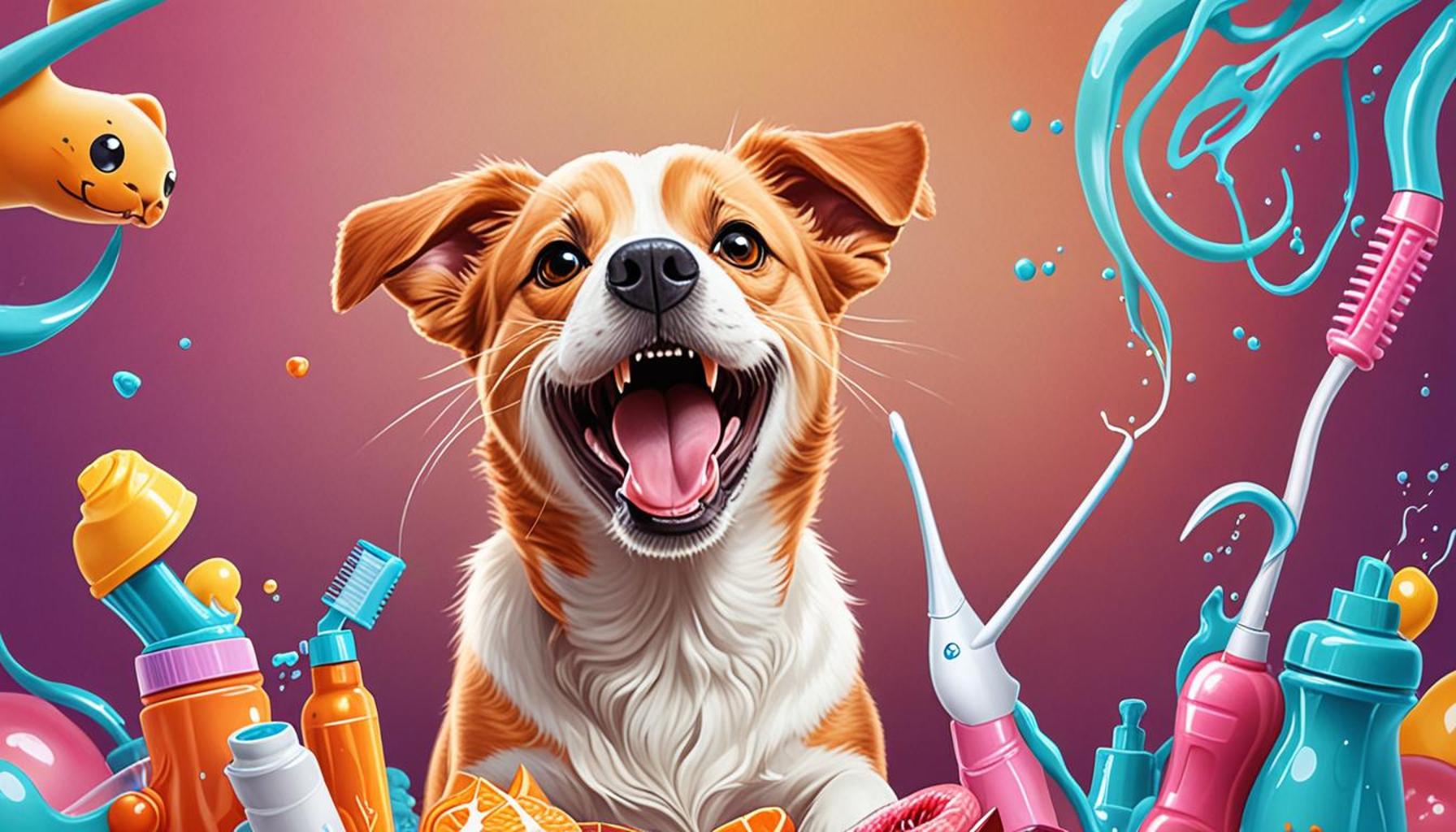
Understanding Pet Oral Health
The importance of maintaining your pet’s oral hygiene cannot be understated, as it significantly impacts their overall health. Many pet owners fail to recognize that just like humans, pets are susceptible to a myriad of dental diseases that can escalate into severe health conditions if ignored. Issues like periodontal disease, tooth decay, and oral infections can cause pain and discomfort, leading to a decrease in your pet’s quality of life.
To effectively maintain your pet’s dental hygiene, establishing a comprehensive routine is essential. This routine should go beyond the occasional brushing of teeth to encompass various health strategies. Here are some key components to consider when managing pet oral health:
- Regular Veterinary Check-ups: Schedule annual dental exams at your veterinarian to catch any early signs of dental issues. Many veterinarians offer specialized dental cleaning services, and some even incorporate advanced techniques like dental X-rays.
- Daily Brushing: Aim for daily brushing of your pet’s teeth using toothpaste formulated specifically for pets. Human toothpaste can be harmful to pets, so it’s crucial to use products made for them. Starting at a young age can help your pet get used to the process.
- Dental Treats: Many pet owners opt for dental chews and treats designed to promote oral health; these can help reduce plaque buildup and freshen breath. Look for products that have the Veterinary Oral Health Council (VOHC) seal of approval.
Research highlights a staggering statistic: nearly 80% of dogs and 70% of cats exhibit signs of dental disease by the age of three. The implications of these startling figures shed light on the necessity of proactive measures to guard against painful conditions such as gingivitis, tooth loss, and possible organ damage due to bacteria entering the bloodstream.
In addition to brushing and professional cleaning, pet owners have a variety of supplementary methods to consider. For example:
- Water Additives: Dental water additives can be mixed with your pet’s drinking water to curb plaque and tartar formation effectively. This simple addition can make a significant difference in maintaining oral health.
- Chew Toys: Providing chew toys specifically made for dental health can actively assist in cleaning your pet’s teeth as they chew. These toys not only clean but also satisfy your pet’s natural chewing instincts.
- Educational Resources: Staying informed about your pet’s dental health is vital. Various online resources and veterinary publications can offer valuable insights into recognizing early signs of trouble, ensuring you’re well-prepared to take action.
In integrating these practices into your pet care routine, you lay the groundwork for not only a cleaner mouth but also a healthier and more joyful life for your furry friend. By prioritizing pet oral health and preventing dental problems, you’re taking essential steps to keep those tails wagging and those purrs resonating with happiness!
DON’T MISS OUT: Click here to discover the essentials of pet nutrition
Establishing a Comprehensive Oral Care Routine
To ensure your pet’s oral health thrives, establishing a comprehensive dental care routine is essential. This routine should encompass both preventive measures and daily care practices that cater to your pet’s specific needs. Here’s how you can get started:
- Choose the Right Products: When selecting dental care products, consider your pet’s size, breed, and preferences. Look for dentist-recommended items, such as flavored toothpaste and brushes designed for pets. Some pet owners find finger brushes particularly effective because they provide more control while brushing.
- Create a Desensitization Plan: Some pets may not initially enjoy having their mouths handled. If your furry friend resists at first, gradually introduce them to the process. Start by letting them sniff and lick the toothpaste, followed by gently touching their lips and gradually working toward brushing their teeth.
- Make It Fun: Turn dental care into a fun bonding experience! Use treats as incentives during brushing sessions, rewarding your pet afterward. This positive reinforcement will help them associate oral care with enjoyable moments.
Understanding the importance of a routine is crucial; regular dental care allows you to monitor your pet’s oral health proactively. Tracking any changes in their mouth can help you spot issues early, such as red or swollen gums, bad breath, or difficulty eating.
Moreover, consider introducing a few additional practices to support your pet’s dental hygiene:
- Frequency of Chew Treats: Incorporate dental chew treats into your pet’s diet a few times a week. These chews can not only satisfy your pet’s urge to chew but also effectively combat plaque and tartar buildup.
- Variety of Textures: Ensure your pet has access to a range of chew toys that offer different textures. Rubbery toys can massage gums, while softer, flexible ones can stimulate teeth cleaning without causing damage.
- Monitor Diet: Feeding your pet a healthy diet can have a profound impact on their dental health. Consult your veterinarian for recommendations on pet food that can help maintain oral hygiene. Some special dental diets are formulated to reduce plaque and tartar formation while providing essential nutrients.
In summary, clear and consistent dental care practices can lead to substantial improvements in your pet’s oral health. Remember that establishing a routine for maintaining pet oral health and preventing dental problems is not a one-time effort but a lifelong commitment. By utilizing these actionable tips, you actively contribute to your pet’s happiness and longevity.
| Category | Details |
|---|---|
| Regular Dental Check-ups | Routine vet visits are crucial for early detection of dental issues. |
| Daily Brushing | Brushing your pet’s teeth daily helps prevent plaque and tartar build-up. |
| Dental Treats | Specialty treats can aid in reducing plaque while promoting dental health. |
| Monitoring Diet | Providing quality food supports overall health and maintains strong teeth. |
| Water Additives | Using water additives can combat bacteria and promote dental freshness. |
When it comes to maintaining your pet’s oral health, it is essential to incorporate a routine that not only focuses on cleaning but also on prevention and education. Ensuring that your pet undergoes regular dental check-ups can help detect any existing or potential dental issues early on, making treatment more manageable. Daily brushing with pet-safe toothpaste is highly recommended, as it actively fights against plaque build-up, contributing to long-term oral health. Complementing this with dental treats specifically designed to break down tartar can significantly enhance your pet’s dental routine.Additionally, keep an eye on your pet’s diet. Opting for high-quality food not only supports their overall health but also aids in maintaining the integrity of their teeth. Water additives are another innovative way to enhance dental hygiene, tackling bad breath and reducing harmful bacteria.Each step you take will ultimately lead to a happier, healthier pet with brighter smiles!
LEARN MORE: Click here for essential pet care tips
Understanding the Signs of Dental Issues
A key aspect of maintaining your pet’s oral health is being able to recognize the signs of dental problems. Just like humans, pets can suffer from various dental issues that may go unnoticed without vigilant observation. Early detection is crucial, as it can prevent more serious health concerns down the road. Here are some signs to watch out for:
- Bad Breath: While some pet owners may dismiss bad breath as a minor issue, it can be a significant indicator of dental disease. Foul-smelling breath often results from plaque buildup or periodontal disease, indicating that a visit to the veterinarian may be necessary.
- Changes in Eating Habits: If you notice your pet struggling to eat, avoiding certain types of food, or showing signs of reluctance when chewing, it may signal dental pain or discomfort. Look out for signs of chewing on one side of the mouth more than the other.
- Excessive Drooling: While a certain amount of drooling is normal, an increase in saliva production can suggest issues such as an oral infection or broken teeth. Watch for wet fur under your pet’s mouth, which may indicate this problem.
- Swollen or Bleeding Gums: Healthy gums should be pink and firm. If you notice your pet’s gums are red, swollen, or bleeding, it may indicate periodontal disease, requiring prompt veterinary intervention.
- Changes in Behavior: If your pet becomes irritable, less active, or even aggressive when their mouth is touched, or if they seem more withdrawn than usual, these behavior changes can also be attributed to dental discomfort.
Recognizing these signs can empower you as a responsible pet owner. Regular check-ups with the veterinarian are essential, as they can perform dental cleanings and assess the overall health of your pet’s teeth and gums, ensuring timely treatment when necessary.
Regular Professional Dental Cleanings
In addition to home care, incorporating regular professional dental cleanings is a vital component of an effective oral health maintenance plan. The American Veterinary Medical Association (AVMA) recommends scheduling dental cleanings for your pet at least once a year. These cleanings not only clear away tartar and plaque that you may have missed at home but also provide a more comprehensive examination of your pet’s dental health.
During these appointments, veterinary professionals will typically use anesthesia to ensure your pet is comfortable while they perform necessary procedures. They will check for signs of gum disease, tooth decay, and any other underlying issues that could affect your pet’s overall health. Oftentimes, minor issues can be addressed before they escalate into major problems.
Pet owners often underestimate the importance of dental cleanings, viewing them as optional rather than essential. Statistics show that over 80% of dogs and 70% of cats show signs of dental disease by age three. This statistic is alarming because untreated dental issues can lead not only to chronic pain for your pet but also can impact other areas of their health, including their heart and kidneys.
Fostering Good Oral Hygiene Through Diet
The role of diet in oral health cannot be overstated. Certain pet foods are formulated specifically to support dental health by helping to control plaque and tartar buildup. Foods with a crunchy texture can be particularly beneficial, as they encourage chewing and help to scrub the teeth clean during meals.
Moreover, some pet owners may consider adding dental additives or water-soluble products to their pet’s food or water. These solutions can help combat plaque buildup, freshen breath, and promote overall oral health. Additionally, consult your veterinarian regarding potential dental-friendly treats formulated to promote oral hygiene without adding unhealthy calories to your pet’s diet.
By integrating dietary strategies alongside routine care and professional cleanings, pet owners can make significant strides in maintaining oral health and reducing the likelihood of dental problems in the long run.
FOR MORE INSIGHTS: Click here to learn more
Conclusion
Maintaining your pet’s oral health is not merely about aesthetics; it is a critical aspect of their overall well-being. By implementing a comprehensive dental care routine that includes daily brushing, a balanced diet specifically formulated for dental health, and regular veterinary check-ups, pet owners can significantly reduce the risk of dental problems. Recognizing the signs of dental issues early on, such as bad breath, changes in eating habits, and gum inflammation, can prevent more severe health complications that could arise from untreated dental disease.
Furthermore, it is imperative to prioritize professional dental cleanings, typically recommended at least once a year. These cleanings not only remove stubborn plaque and tartar but also ensure that any emerging oral issues are addressed before they become serious threats to your pet’s health. Statistics reveal that a staggering percentage of pets show signs of dental disease by the age of three, illustrating how crucial it is for pet owners to remain proactive about their furry friend’s oral hygiene.
In conclusion, the journey to optimal pet oral health begins with awareness and a commitment to preventative care. By incorporating these tips and understanding the importance of oral hygiene in pets, you can enhance your beloved companion’s quality of life. Don’t hesitate to start this vital conversation with your veterinarian today and explore all the resources available to ensure your pet’s mouth stays healthy for years to come.