
Master Personal Organization to Declutter Unnecessary Belongings

Introduction
In today’s fast-paced world, the concept of minimalism has gained significant traction as more individuals seek clarity through simplicity. The art of personal organization plays a crucial role in this movement by helping people streamline their lives and focus on what truly matters. By mastering the principles of organization, anyone can embark on a journey to reduce unnecessary belongings and create a more harmonious living space.
Decluttering is not just about tidying up; it is about making intentional choices regarding what we keep. Understanding how personal organization intersects with minimalism can open doors to enhanced mental well-being and greater productivity. This article will explore the top strategies for effective organization that can lead to a more meaningful and less cluttered life.
What to Expect
- Key principles of personal organization
- Benefits of decluttering your space
- Top techniques for effective reduction
- Case studies of successful minimalists
- Tools and resources to aid in your journey
Prepare to discover how a well-organized life can significantly lower your inventory of belongings and improve your overall lifestyle.
Top 5: How Personal Organization Can Facilitate the Reduction of Unnecessary Belongings
In an era where we often find ourselves surrounded by an excess of belongings, the need for a more streamlined, clutter-free lifestyle has never been greater. It’s easy to accumulate a multitude of goods that fill our spaces and minds, leading to stress and disorder. Enter minimalism—not simply the art of owning less but a lifestyle that enhances focus and embraces simplicity. A cornerstone of this transformational journey is effective personal organization, a tool that paves the way for decluttering and embracing intentional living. Below, we explore the top five ways personal organization aids in reducing unnecessary belongings and promoting a fulfilling lifestyle.
5. Enhanced Decision-Making
Clutter can often make decision-making a daunting task. With effective personal organization, however, this task becomes more manageable. Having a structured approach to organizing your belongings allows for a clear distinction between what you truly need and what is simply taking up space. The practice of organizing brings about a thoughtful reflection on each item you own, fostering an environment where you can make informed decisions, free from emotional attachment and impulse.
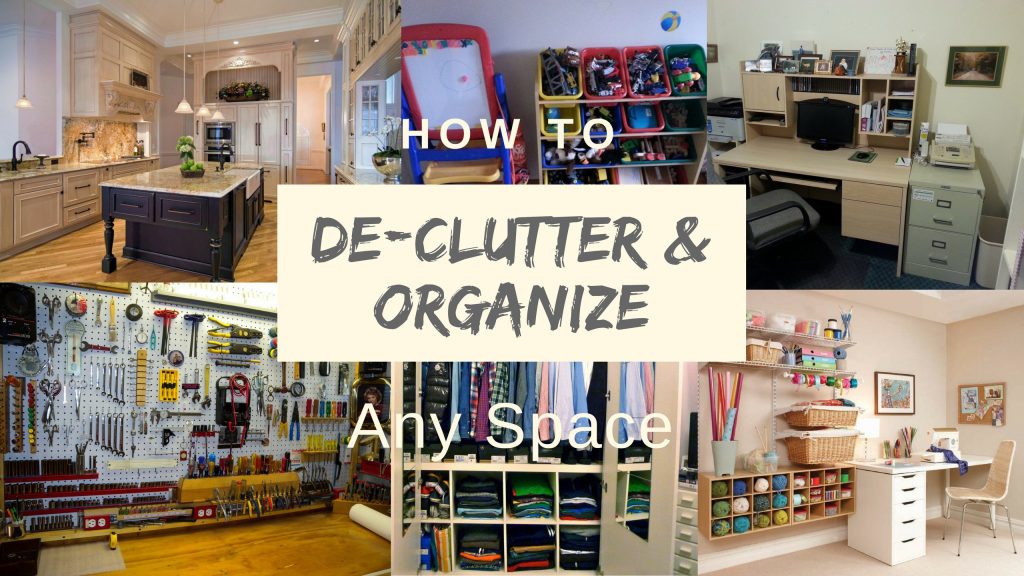
Consider utilizing a simple yet effective checklist to categorize your items:
- Keep: Items you use regularly or have a deep-seated necessity.
- Donate: Belongings that are in good condition but no longer serve your needs.
- Trash: Items that are broken, outdated, or beyond repair.
- Sell: Useful items that others may find valuable, providing an opportunity to earn extra income.
This structured categorization not only eases the process of decluttering but also cultivates a more deliberate mindset towards your belongings.
4. Establishing Clear Systems
An organized life is built upon clear, efficient systems that simplify the task of managing personal belongings. Implementing these systems allows for seamless categorization, making it easier to prioritize and identify what is essential. By utilizing techniques such as labeling and strategic storage solutions, you can create order and enhance the accessibility of your items.
Some effective systems to consider include:
- The KonMari Method: A popular approach that encourages keeping items that “spark joy,” fostering a deeper connection to your belongings.
- Utilizing Storage Solutions: Invest in containers, drawer dividers, and shelving to give each item a dedicated space, reducing the chance of clutter.
- Digital Inventory: Photograph sentimental items and store them digitally, allowing you to preserve memories without occupying physical space.
Such comprehensive systems not only reduce physical and mental clutter but also promote a more organized mindset, ultimately leading to a more harmonious living environment.
3. Creating Mindful Habits
Organization is not just about tidying up once; it’s about cultivating mindful habits that prevent the accumulation of unnecessary items over time. By scrutinizing your consumption patterns and embracing intentional habits, you can make more conscious decisions regarding your acquisitions.
The “one in, one out” rule is a practical habit to adopt—each time you acquire a new item, commit to removing one existing item. This not only helps maintain equilibrium in your living space but also fosters a mindset that values need over want.
Scheduling regular decluttering sessions is another invaluable habit. By setting aside specific times to evaluate possessions, you reinforce a cycle of maintenance that aligns with minimalist principles and helps mitigate the temptation to hoard items without real need.
2. Increased Productivity and Clarity
A well-organized space naturally facilitates increased productivity and mental clarity. Free from the distractions of clutter, your environment becomes a haven for focus and creativity, enabling you to channel your energies into tasks that contribute to personal growth and satisfaction.
In a clear, orderly workspace, you save time by not having to search for misplaced items, allowing you to invest more effort in meaningful pursuits. This enhances your ability to concentrate, drives greater efficiency, and promotes a sense of control over your tasks.
Ultimately, this clarity shifts your perspective towards valuing quality over quantity, reinforcing your commitment to a minimalist lifestyle that prioritizes intention and presence.
1. Emotional and Mental Freedom
The most significant advantage of personal organization lies in the profound emotional and mental freedom it promotes. Surrounded by clutter, many individuals experience heightened anxiety and a sense of burden. However, a well-organized environment offers a refuge of peace and control.
Through the process of decluttering and organizing, you not only clear your physical space but also embark on a journey of emotional renewal. This transformation reflects a shift towards intentional living, where each belonging has purpose and each space invites tranquility.
Embracing personal organization as a tool to reduce unnecessary possessions can unlock a more fulfilling existence, liberated from the weights of excess and disarray. Begin this transformation today, and you may just discover the untapped potential of living with less—where less is truly more.
| Category | Details |
|---|---|
| Clarity of Purpose | Organizing physical items can lead to a stronger sense of clarity about what truly matters in one’s life, ultimately leading to the elimination of unnecessary belongings. |
| Mental Freedom | A clear and organized space can enhance mental freedom, allowing individuals to focus on more meaningful pursuits rather than being distracted by clutter. |
| Improved Time Management | Effective organization can streamline daily tasks, leading to better productivity by reducing time spent searching for misplaced items. |
| Emotional Healing | Letting go of items tied to negative memories can facilitate emotional healing, giving space to reflect on personal growth and future aspirations. |
The process of personal organization does not only refer to arranging physical spaces; it also signifies a profound personal journey. Each category listed above illustrates how taking control of one’s surroundings can yield benefits that extend far beyond mere tidiness. When individuals take the time to reflect on what they own, they invariably engage in a dialog with themselves about their identities and aspirations.For instance, the clarity of purpose derived from a well-organized environment encourages conscious decision-making as individuals categorize their possessions based on genuine value rather than fleeting trends. In this way, personal organization acts as a catalyst for enhanced self-awareness, potentially leading to transformative lifestyle choices.Moreover, the link between organization and emotional wellbeing cannot be overstated. As people declutter their spaces, they often engage in the cathartic process of parting with items that no longer serve a purpose, facilitating emotional healing. This act of letting go promotes a shift away from the past and allows individuals to embrace their present and future with a renewed sense of vigor and clarity.The benefits are not merely psychological; improved time management through an organized setup can transform daily routines. With everything in its rightful place, individuals can conquer their day more effectively, leveraging the time saved for endeavors that align with their newly defined goals. Finally, the path toward personal organization often reveals a larger narrative regarding consumerism and societal values. As people become aware of their personal belongings, they may also question the societal pressures to accumulate more. This introspection fosters a culture of minimalism, encouraging individuals to prioritize experiences over possessions and pursue a more meaningful existence.
Frequently Asked Questions: Personal Organization and Decluttering
What is the connection between personal organization and reducing unnecessary belongings?
Personal organization plays a crucial role in effective decluttering by helping individuals identify and prioritize what truly matters. By developing a structured plan, you can systematically review your possessions, eliminating items that no longer serve a purpose. This process not only streamlines your environment but also creates a sense of mental clarity and focus.
How can personal organization help maintain a clutter-free space?
Once you’ve reduced unnecessary belongings, maintaining a clutter-free space relies heavily on the systems you establish. By incorporating organizational strategies such as designated storage areas, regular decluttering routines, and mindful purchasing habits, you can prevent clutter from accumulating again. Consistency in these practices is key to sustaining a tidy living space.
Are there specific techniques for organizing items that can aid in decluttering?
Yes, several techniques can simplify the process of decluttering. The KonMari Method, for example, encourages evaluating each item based on whether it sparks joy. Another approach is the minimalist strategy, which focuses on retaining only essential items. Additionally, categorizing belongings and addressing one type of item at a time can make the task more manageable.
Is it necessary to purchase organizing products to achieve better organization?
While organizing products can be helpful, they are not essential to achieving an organized space. The primary goal is to reduce excess items and utilize existing spaces efficiently. Get creative with what you already have, such as repurposing boxes or containers as storage solutions. Remember, the focus should be on the functionality of solutions, not on filling spaces with more things.
What are the psychological benefits of reducing unnecessary belongings?
Beyond a tidier home, reducing clutter can lead to significant psychological benefits. Many individuals report feeling less stressed and more energized after decluttering. By eliminating distractions, you may find greater mental clarity and a renewed sense of control over your surroundings. Simplifying your space can foster a greater appreciation for the items you choose to keep, enriching your overall quality of life.
Conclusion: Embracing Personal Organization for a Minimalist Lifestyle
The journey towards a minimalist lifestyle is intricately linked with effective personal organization. By analyzing our possessions with a critical eye, we take the first step towards identifying what is truly necessary. This process is not just about decluttering spaces but also about emphasizing clarity and purpose in our daily routines. Each item that we choose to keep should serve a clear function or bring authentic joy, aligning with the core principles of minimalism.
One of the key takeaways from embracing personal organization is the enhancement of mental clarity. By reducing unnecessary belongings, we free our minds from the chaos that clutter brings. This newfound clarity can result in increased productivity, greater focus, and overall improved mental well-being. Moreover, maintaining an organized space can lead to more efficient time management, as finding and accessing items becomes effortless.
Additionally, personal organization facilitates a better understanding of our consumption habits. It encourages mindful purchasing decisions, steering us away from impulse buys, which contributes to sustainable living. As we cultivate these habits, not only do we simplify our own lives, but we also contribute positively to the environment by reducing waste.
Ultimately, the intersection of personal organization and minimalism fosters a lifestyle that is both intentional and rewarding. By consciously choosing to minimize excess, we create room for more meaningful experiences and connections. For those eager to delve deeper into the world of minimalism, the invitation is open to explore further strategies and insights that champion simplicity and intentionality. Engaging with this lifestyle is not just about reducing possessions, but about enhancing the quality of life.