Essential Care for Senior Pets Enhancing Quality of Life
As our beloved pets age, their needs change significantly, often requiring us to adjust our approach to their care. Senior pets face unique challenges such as declining mobility, health issues, and altered dietary requirements that can impact their overall well-being. Understanding these needs is crucial for pet owners who wish to provide a high quality of life during their furry companions’ golden years.
Providing essential care for senior pets not only improves their physical health but also enhances their emotional well-being. By recognizing the signs of aging and implementing a tailored care strategy, you can ensure your pet remains comfortable, active, and happy. In this article, we will explore the Top 5 essential care tips that can help you support your aging pet and extend their quality of life.
From nutritional changes to veterinary check-ups, these actionable insights will equip you with the knowledge needed to make informed decisions for your pet’s health. Dive into our list and discover the best practices for taking care of your treasured senior companion.
Top 5 Special Care for Senior Pets: How to Prolong Their Quality of Life
As our beloved pets transition into their senior years, the care they require undergoes significant changes. Just like humans, pets experience a range of age-related changes—both physical and cognitive—that necessitate a reconsideration of their care strategies. Providing the right attention and adjustments can greatly improve their comfort and quality of life. Here is a ranked list of top special care tips for senior pets, designed to guide you in nurturing your pet’s health and happiness during their golden years.
5. Regular Veterinary Checkups
One of the most impactful measures you can undertake for your senior pet is ensuring they have regular veterinary checkups. These checkups are comprehensive evaluations that help monitor their overall health trajectory, enabling early detection and management of potential health concerns.
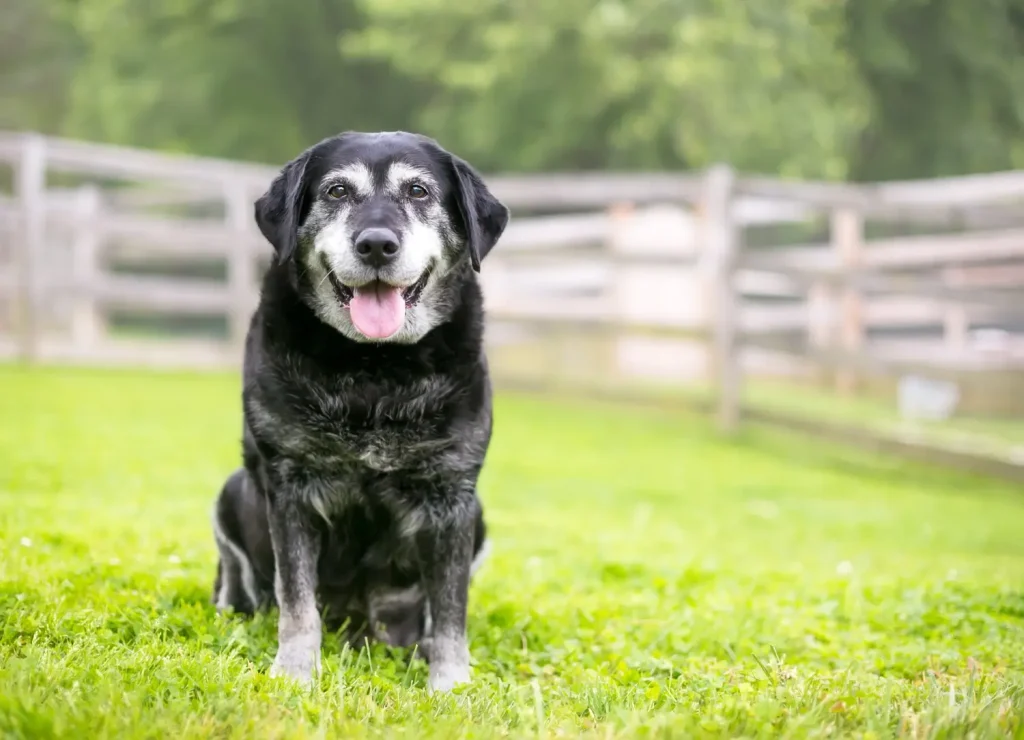
For older pets, bi-annual visits to the veterinarian are typically advised. During these visits, veterinarians perform a thorough physical examination, which may include blood tests to check for conditions such as anemia or kidney disease, dental check-ups to prevent oral health problems, and monitoring vital signs like blood pressure.
The vet may also evaluate organ function with urinalysis and imaging techniques like x-rays or ultrasounds. The individualized plan provided by your vet often includes recommended dietary adjustments, lifestyle changes, or new medications to support your pet’s health needs.
4. Proper Nutrition
As pets age, their dietary needs evolve. Older animals often require a tailored diet with adjusted levels of protein, fat, and fiber to support changing metabolism and digestive health. Consulting with your veterinarian is crucial in selecting the best senior pet food that addresses specific nutritional requirements.
The right diet can mitigate health risks like obesity—a common issue in senior pets due to reduced physical activity. Additionally, diets rich in antioxidants can help fight free radicals and omega fatty acids to support joint health. Make sure to offer high-quality proteins to maintain muscle mass, and remember to provide adequate hydration, as older pets may not drink water as frequently.
Feeding smaller, more frequent meals helps maintain stable energy levels and aids digestion. Monitor your pet’s weight closely and adjust their diet as necessary to maintain a healthy weight.
3. Regular Exercise and Mental Stimulation
Maintaining an active lifestyle through regular exercise and mental stimulation is key for senior pets. Although they may not have the same vigor as their younger days, guided physical activity helps prevent obesity, maintains muscle tone, and enhances joint flexibility.
Daily walks, even if shorter in duration, provide great physical and mental benefits. Incorporate activities that stimulate your pet’s mind, such as interactive toys, puzzle feeders, and gentle obedience training. Cognitive games not only keep their minds sharp but also enhance their mood by reducing stress and anxiety.
- Short, daily walks tailored to your pet’s pace
- Engaging interactive toys
- Gentle, routine training sessions
- Supervised playtime with other friendly pets
2. Comfortable Living Environment
Tailoring your home to cater to your pet’s morphing needs is vital. Senior pets often face mobility challenges, which can be alleviated by creating a safe and comfortable environment.
Offer cushioned, orthopedic beds to ease joint aches and place them in areas that are easy for your pet to access. Non-slip mats can prevent accidents on slippery floors. If your pet struggles with stairs, consider installing ramps to give them more independence.
Beyond physical adjustments, ensure the environment is mentally soothing. A quiet, relaxed space can help ease anxiety, which is beneficial for aging pets. This calming environment allows for better rest and tranquility.
1. Love and Attention
Above all, the love and attention you offer your senior pet is the most crucial aspect of prolonging their quality of life. As pets age, their need for affection does not diminish. In fact, they thrive on the comfort and companionship you provide.
Focus on spending quality time together, whether through gentle grooming sessions, cuddling, or simply sitting by their side. Pay attention to their behavioral cues and energy levels to discern what they enjoy and need at any given moment.
Building a routine filled with interactions that your pet finds delightful can enrich their days, fortifying the bond you share. Tackling new challenges and experiences together can incite joy, courage, and engagement, all of which contribute positively to their emotional and physical well-being.
In conclusion, improving the life quality of senior pets is a multi-faceted endeavor. Through regular vet checkups, carefully balanced nutrition, consistent exercise, creating a comforting environment, and fostering love and attention, we ensure that our furry companions live not just longer, but happier lives. Each of these elements plays a pivotal role in navigating the complexities of aging, with your care being the cornerstone of their enduring joy and health.
| Category | Description |
|---|---|
| Dietary Adjustments | Special diets can greatly enhance the health of elderly pets. Senior-specific dog or cat food is formulated to meet their changing nutritional needs, often with lower calories and easier-to-digest ingredients. |
| Regular Veterinary Check-ups | Frequent vet visits allow for the early detection of age-related illnesses. Routine blood tests and physical exams can highlight health concerns before they escalate, thus ensuring a prolonged quality of life. |
| Physical Activity | Maintaining a suitable level of activity is vital. Short, gentle walks or play sessions tailored to the pet’s endurance level can help maintain muscle mass and joint flexibility, reducing the risk of injuries. |
| Comfortable Living Environment | Creating a safe and cozy space is crucial. Soft beds, access to warmth, and non-slip surfaces can help elderly animals navigate their environment more comfortably, lessening the likelihood of falls and injuries. |
Frequently Asked Questions about Special Care for Elderly Animals
What are the signs that my pet is entering old age and needs special care?
As pets age, you’ll notice more subtle changes in their behavior and physical condition. Common signs include reduced energy levels, stiffness in movement, and changes in eating or sleeping patterns. Some animals may begin to exhibit signs of cognitive decline, like confusion or decreased responsiveness. It’s crucial to monitor these changes closely and consult your veterinarian to determine appropriate care strategies for your aging pet.
How can regular veterinary visits enhance the quality of life for older pets?
Regular vet check-ups are essential in catching potential health issues before they become severe. These visits allow for early detection of conditions such as arthritis, heart disease, or dental problems. By proactively managing these health concerns, you can significantly enhance your pet’s quality of life, ensuring that they remain comfortable and active as they age.
Are there specific dietary changes that should be made for senior pets?
Yes, diet plays a critical role in maintaining the health of senior pets. As animals age, their nutritional needs change. Consider switching to a senior-specific diet, which usually has lower calories and higher fiber to prevent obesity and maintain digestive health. Additionally, these diets often include ingredients that support joint health and enhance the immune system, helping your pet sustain a vibrant life.
How can I provide mental stimulation for my elderly pet?
Mental stimulation is just as important as physical exercise for senior pets. Activities like training sessions, interactive toys, or new environments to explore can help keep their minds sharp. Mental engagement can alleviate signs of cognitive decline and provide a boost in overall happiness and quality of life. Challenge their faculties with puzzles or games that encourage them to problem-solve and think creatively.
What are some adaptations I can make at home to accommodate my aging pet?
Simple adjustments in your home can make a significant difference. Consider installing ramps for easier access to furniture, using non-slip mats to prevent slips, and providing orthopedic bedding for joint support. These modifications improve mobility and comfort, allowing your elderly pet to navigate their environment with greater ease and safety.
Conclusion: Nurturing Our Senior Companions
Caring for elderly pets is a crucial responsibility that comes with its unique set of challenges and rewards. As our furry friends age, understanding their changing needs becomes imperative to ensuring their prolonged quality of life. The discussions laid out in this article emphasize the significance of these considerations.
Firstly, it’s essential to highlight the importance of regular veterinary check-ups. Just as with humans, proactive health monitoring can catch potential issues before they become severe, allowing for timely interventions. Regular visits not only monitor physical health but also provide valuable insight into behavioral changes that could indicate underlying problems.
Understanding the significance of proper nutrition is another cornerstone of elderly pet care. Tailoring a balanced diet that addresses the unique needs of an aging pet helps maintain weight control, energy levels, and organ function. Specially formulated diets for senior pets often address specific health concerns and promote longevity.
Moreover, exercise and mental stimulation are vital for maintaining a pet’s physical and cognitive health. Adjusting activity levels to suit their age and condition ensures that they remain fit without causing undue stress or injury. Mental puzzles, interactive toys, and simple commands can go a long way in keeping an older pet’s mind sharp.
The role of a supportive environment cannot be understated. As mobility declines, adjusting the home environment to facilitate ease of movement reduces the risk of accidents and increases comfort. Simple changes like non-slip mats or orthopedic bedding can make a significant difference.
Lastly, providing love and companionship remains the most crucial element in ensuring a happy life for senior pets. Emotional well-being boosts overall health, and a nurturing environment fosters a sense of safety and contentment.
In conclusion, paying careful attention to an elderly pet’s health, dietary, and emotional needs not only enhances their remaining years but also strengthens the bond with their human companions. By staying informed and proactive, pet owners can significantly contribute to extending the joyous moments spent with their beloved pets. It is this harmonious connection that truly encapsulates the journey of life shared between humans and animals.