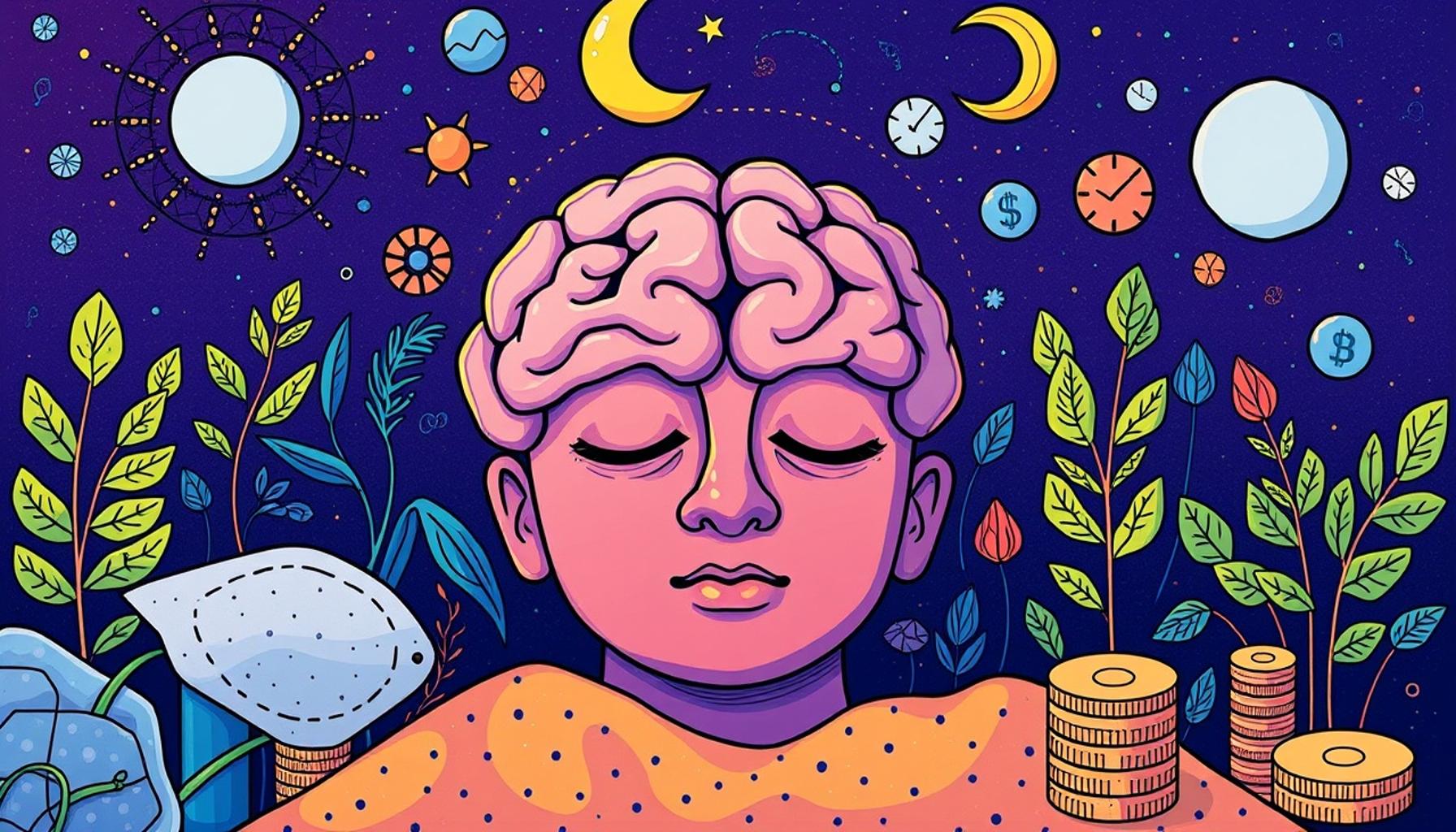
The importance of meditation and mindfulness in promoting mental health and emotional well-being
The Growing Popularity of Meditation and Mindfulness
In recent years, stress and anxiety have increasingly infiltrated daily life, making it essential for many to seek effective coping strategies. As individuals juggle careers, family responsibilities, and personal aspirations amidst an ever-connected world, the quest for peace of mind has led to the resurgence of ancient practices like meditation and mindfulness. These techniques are not merely trendy but have become essential tools for enhancing overall well-being.
The practice of meditation is rooted in various religious and spiritual traditions, including Buddhism and Hinduism, and combines focused attention with an absence of judgment. It has evolved into various forms, such as guided meditation, transcendental meditation, and even breathing exercises that can be effortlessly incorporated into everyday routines. Mindfulness, on the other hand, emphasizes awareness and presence in the moment. It encourages a deeper connection with oneself and the environment, making the mundane feel extraordinary.
Transformative Benefits of Meditation and Mindfulness
Research has revealed an impressive array of benefits associated with these practices. In fact, studies published in esteemed journals such as The Journal of Happiness Studies have shown a direct correlation between mindfulness practices and reduced symptoms of anxiety and depression. Here are some key advantages:
- Reduced stress: Regular meditation has been shown to lower the production of cortisol, a stress hormone, leading to improved health and tranquility. Even spending just 10 minutes a day in a quiet space can significantly help mitigate stress levels.
- Enhanced focus: Mindfulness practices train the brain to focus more effectively. For instance, a recent study cited by the American Psychological Association indicated that employees who engaged in mindfulness training reported a 30% increase in productivity at work, directly impacting their job performance.
- Better emotional regulation: Individuals practicing mindfulness report feeling a greater sense of control over their emotional reactions. This means that challenging situations can be approached with a balanced mindset rather than a reactive one. Techniques like deep-breathing exercises can foster this emotional resilience.
Moreover, platforms like Headspace and Calm have expanded the reach of mindfulness through engaging app-based experiences, making meditation accessible to millions across the United States. Their offerings include everything from guided sessions for beginners to sleep aids aimed at tackling insomnia, making it easier for individuals to find a practice that suits their unique lifestyles.
A Journey Towards Balance and Fulfillment
The journey of integrating mindfulness and meditation into one’s life can be deeply enriching. Beyond relaxation, these practices can empower individuals to navigate complex emotions and uncertainties with grace. By setting aside dedicated time for reflection, mindfulness allows people to enhance their understanding of themselves and their reactions to the world around them.
As the pursuit of holistic mental well-being continues to grow, embracing meditation and mindfulness can provide invaluable tools to tackle the stresses of modern life. The path to a calmer, more balanced existence starts with a single step—a moment of stillness that can transform one’s daily experiences. So why not take that step today?
Recognizing the Science Behind Mindfulness
The surge in popularity of meditation and mindfulness is not without merit; scientific research increasingly supports their profound impact on mental health and emotional well-being. Recent breakthroughs in neuroscience have revealed how these practices can physically alter brain chemistry and structure. For example, a study conducted at Harvard University found that eight weeks of mindfulness meditation could increase the density of gray matter in regions of the brain associated with memory, sense of self, empathy, and stress regulation. This demonstrates not only the spiritual and emotional benefits of these practices but also their significant neurological implications.
Moreover, the impact of mindfulness extends to the realm of mental health care. Mental health professionals are integrating mindfulness-based interventions (MBIs) in therapeutic approaches to help treat a variety of conditions. According to the American Psychological Association, MBIs can lead to substantial reductions in anxiety, depression, and symptoms of post-traumatic stress disorder (PTSD). As a result, many therapists recommend the incorporation of meditation into daily routines for holistic healing and recovery.
Holistic Benefits of Meditation and Mindfulness
The benefits of adopting a regular meditation and mindfulness practice go beyond mere stress relief and emotional regulation. They encapsulate a holistic approach to well-being, which includes:
- Improved sleep quality: Practicing mindfulness before bedtime prepares the mind for rest, reducing racing thoughts and anxiety that can hinder sleep. Research shows that individuals who engage in mindfulness meditation experience fewer sleep disturbances, leading to overall better health.
- Enhanced creativity: Mindfulness encourages divergent thinking—the ability to generate new ideas. This can be particularly beneficial for professionals across creative industries, where innovation is key to success.
- Increased emotional resilience: By fostering greater awareness of one’s thoughts and feelings, individuals learn to navigate their emotions with equanimity. This heightened emotional resilience allows individuals to respond to challenges without becoming overwhelmed or reactive.
In today’s fast-paced world, the practice of meditation and mindfulness stands as an antidote to the chaos of life. With platforms such as YouTube, Insight Timer, and various podcasts offering easy access to guided mindfulness and meditation sessions, individuals can easily find resources that suit their preferences. These digital resources make it easier than ever to carve out time for self-care, no matter how busy one’s schedule may be.
The effectiveness of meditation and mindfulness is hard to ignore, compelling people to explore how these practices can transform their mental health journey. As society continues to grapple with unprecedented levels of stress and anxiety, the call for personal tranquility and emotional balance becomes ever more crucial. Each moment spent in mindfulness can pave the way toward a healthier, more fulfilled life.
| Advantages | Impact on Mental Health |
|---|---|
| Stress Reduction | Studies show that meditation significantly lowers levels of cortisol, the stress hormone, promoting a state of calm. |
| Improved Focus | Mindfulness practices enhance concentration and attention span, leading to better performance in everyday tasks. |
| Emotional Regulation | Regular meditation helps individuals manage emotions more effectively, reducing instances of anxiety and depression. |
| Enhanced Self-Awareness | Mindfulness practices foster a greater understanding of oneself, promoting greater emotional intelligence. |
Incorporating meditation and mindfulness into daily routines not only enhances individual emotional well-being but also provides tools for handling life’s challenges efficiently. By recognizing the transformative potential of these practices, individuals can embark on a journey towards improved mental health, paving the way for a more fulfilling life. As more people seek reliable techniques to navigate stressors, the role of meditation becomes increasingly vital in our modern lifestyles.
Integrating Mindfulness into Daily Life
The true power of meditation and mindfulness lies not just in dedicated practice, but in the ability to weave these techniques into the fabric of everyday life. Mindfulness encourages individuals to be present in the moment, which can enrich daily experiences and interactions. From savoring a morning cup of coffee to being truly engaged in conversations, adopting a mindful approach can elevate the ordinary to the extraordinary.
One practical method to integrate mindfulness into routines is through the practice of mindful breathing. This technique can be done anywhere—while commuting, during a lunch break, or even while waiting in line. Taking a few deep breaths, focusing on the inhalation and exhalation, serves as a grounding exercise that quickly alleviates stress and cultivates a sense of calm in potentially chaotic moments. Furthermore, research indicates that even brief mindfulness exercises can help improve concentration and enhance productivity, making it a valuable tool in a work environment characterized by constant demands.
Mindfulness in the Workplace
With the increasing prevalence of burnout and mental health challenges in the workplace, organizations across the United States are beginning to recognize the importance of mental well-being as essential to employee performance. A recent survey conducted by the American Psychological Association found that companies implementing mindfulness programs report significant improvements in employee satisfaction and productivity. In fact, participants in workplace mindfulness initiatives demonstrate enhanced creativity and problem-solving abilities, setting the stage for innovation and collaboration.
Employers can facilitate mindfulness practices through workshops or regular meditation breaks. Companies like Google and Apple have highlighted the tremendous impact of well-being programs, allowing employees to access resources that promote mental health and generate a culture of support. Such a proactive approach not only benefits individuals but also fosters a sense of community, enhancing cohesion and overall morale.
Mindfulness in Education
Another promising arena for implementing meditation and mindfulness is in education. Schools across the United States are embracing mindfulness as a means to improve students’ emotional health and academic performance. Programs like “Mindfulness in Schools” introduce students to mindfulness techniques, equipping them with tools to manage stress, enhance focus, and cultivate an appreciation for the present moment. Research shows that students who engage in mindfulness practices not only perform better academically but also exhibit reduced levels of anxiety and improved social interactions.
By integrating mindfulness into early education, we not only promote optimal learning conditions but also empower the next generation with the emotional intelligence necessary to navigate life’s challenges more effectively. As these students grow into adulthood, they carry with them the lessons of mindfulness, creating a ripple effect that can positively impact society.
Whether in the workplace, schools, or personal lives, the incorporation of meditation and mindfulness leads to a widespread cultural shift towards valuing mental health and emotional well-being. The accessibility of resources and the growing body of evidence supporting these practices highlights a promising future for individuals who seek tranquility and resilience in a tumultuous world.
Conclusion
In an era marked by rapid-paced lifestyles and constant distractions, the significance of meditation and mindfulness in fostering mental health and emotional well-being has never been more pronounced. As we have explored, integrating these practices into various aspects of life, including the workplace and educational settings, can yield transformative results. Individuals who embrace mindfulness not only report greater emotional resilience but also experience enhanced productivity, improved interpersonal relationships, and a heightened capacity to navigate stress.
Moreover, the collective shift toward mindfulness creates a culture that prioritizes mental health. Employers and educators alike are recognizing that by supporting mindfulness initiatives, they are investing in a healthier, more engaged community. The benefits experienced extend beyond individual well-being to influence overall organizational success and student performance.
As the mounting evidence supports the efficacy of meditation and mindfulness, it encourages a broader societal change—one that champions emotional intelligence and self-care as essential components of a fulfilling life. This movement invites us to reconsider our daily habits and interactions, ultimately guiding us toward a more intentional existence. With a plethora of resources available, from mobile apps to community workshops, the journey toward mindfulness is accessible to all.
As we embrace this path, we pave the way for a future replete with mental clarity, emotional balance, and a strong sense of community. For those seeking refuge from the chaos of modern life, meditation and mindfulness stand as powerful allies in the pursuit of lasting peace and well-being.