Breathing Exercises and Relaxation Techniques for Effective Stress Management
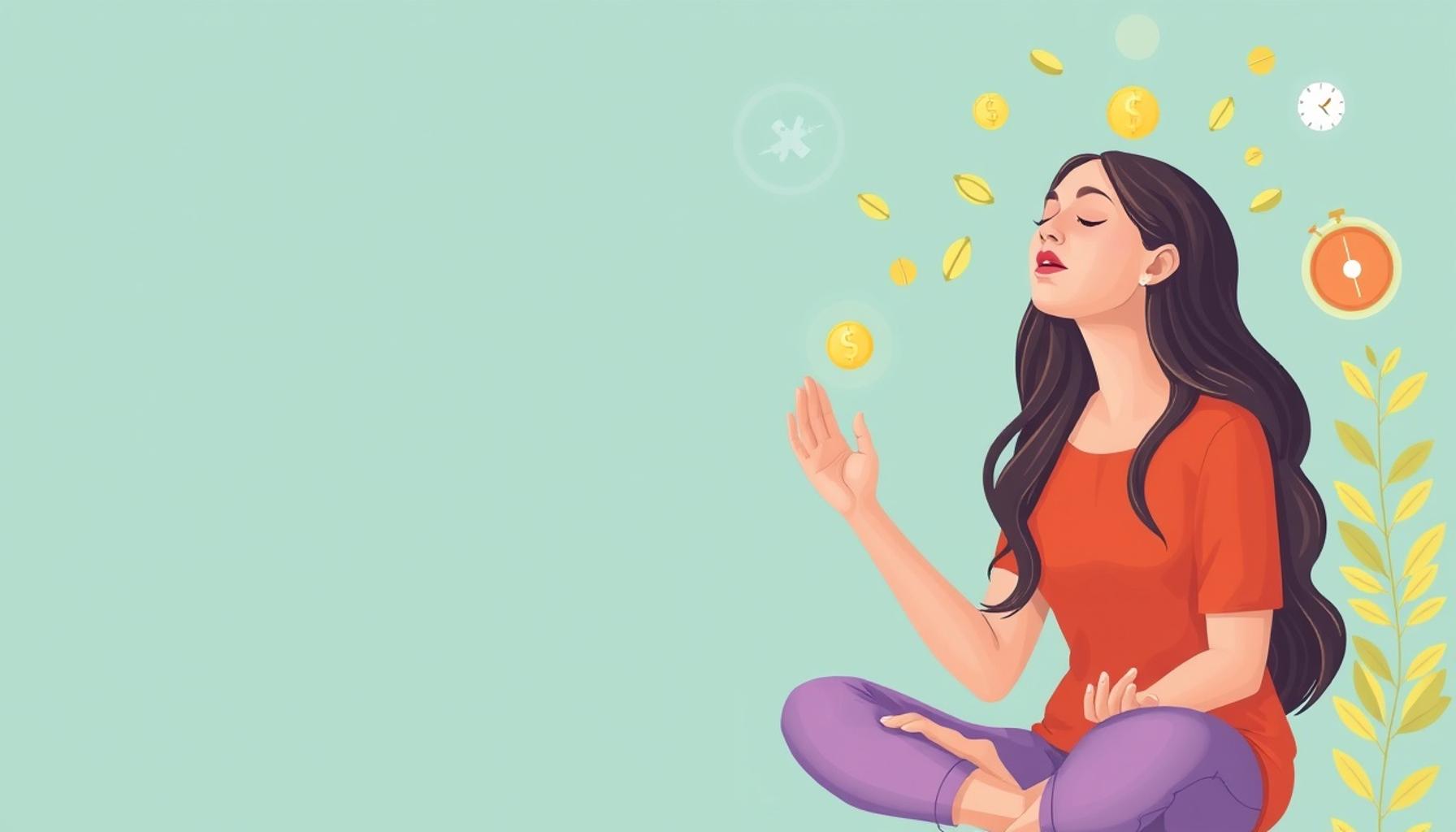
Understanding Stress Management Through Breathing and Relaxation
In the contemporary landscape of hectic schedules, incessant notifications, and multiple responsibilities, stress has emerged as a common adversary faced by many. The implications of stress on physical and mental health are profound, leading to issues such as anxiety, depression, and cardiovascular problems. Consequently, learning to manage this stress has never been more essential for fostering a sense of well-being and resilience. Among the plethora of strategies, breathing exercises and relaxation techniques stand out for their simplicity and effectiveness.
The benefits of incorporating these practices into your daily life are not just anecdotal; a growing body of research supports their positive effects. For instance, studies have demonstrated that mindful breathing can decrease feelings of anxiety. By focusing on your breath, you anchor your attention to the present moment, creating a buffer against racing thoughts that often accompany anxiety. Additionally, engaging in relaxation techniques can enhance focus. When the mind is relaxed, mental clarity increases, making it easier to tackle tasks with a fresh perspective.
Another surprising advantage of these methods is their capacity to improve sleep quality. Implementing proper breathing exercises before bedtime can help quiet a restless mind, making it easier to drift into a restorative sleep. The link between relaxation and improved sleep is well-established, with techniques such as diaphragmatic breathing proving particularly effective in preparing the body for rest.
There are several popular methods for practicing breath control and relaxation:
- Diaphragmatic Breathing: Often referred to as belly breathing, this technique encourages deeper lung expansion. It involves inhaling deeply through the nose, allowing the diaphragm to fully engage, and then exhaling slowly through the mouth. This practice not only increases oxygen intake but also activates the body’s relaxation response.
- Progressive Muscle Relaxation: This involves systematically tensing and then relaxing different muscle groups throughout the body. By focusing on tension and release, individuals can learn to recognize physical signs of stress and counteract them effectively.
- Guided Imagery: This method uses visualization to create a serene mental landscape. By imagining calming scenes—such as a tranquil beach or a forest glade—individuals can create a comforting mental space that alleviates stress.
These techniques not only cultivate a sense of peace but also empower individuals to take charge of their mental health. With just a few minutes dedicated to these practices each day, you can pave the way for a more balanced and stress-free existence. Many wellness programs across the United States incorporate these techniques into their curricula, highlighting their growing recognition for promoting well-being.
Ready to explore how these methods can transform your life? Delve into the world of breath control and relaxation techniques, and discover the potential they hold to reshape your daily experiences, enhancing both your mental and physical health.
Effective Breathing Exercises to Alleviate Stress
Understanding the nuances of breathing exercises is the first step toward effective stress management. Among the various techniques available, diaphragmatic breathing stands out as a powerful method for promoting relaxation and reducing anxiety. This technique encourages deep, rhythmic breathing, allowing more oxygen to flow into the body while activating the parasympathetic nervous system, which is responsible for the body’s rest-and-digest response. By incorporating this practice, individuals can experience a decrease in heart rate and an overall sense of calm.
To practice diaphragmatic breathing, find a comfortable position, whether sitting or lying down. Place one hand on your chest and the other on your abdomen. As you inhale deeply through your nose, focus on allowing your diaphragm to expand, making your belly rise. Exhale slowly through your mouth, noticing how your belly deflates. Engaging in this exercise for just a few minutes daily can create a profound impact on mental clarity and stress reduction.
Progressive Muscle Relaxation: A Comprehensive Approach
Progressive muscle relaxation (PMR) is another effective technique that deserves attention. Developed by Dr. Edmund Jacobson in the 1920s, PMR involves tensing and subsequently relaxing different muscle groups throughout the body. This method not only helps identify areas of tension but also fosters a unique awareness of the physical sensations associated with stress.
To perform PMR, start by finding a quiet space and becoming aware of your breathing. Progressively tense each muscle group for five seconds, starting with your feet and moving up to your head. For example, clench your fists tightly, then release and notice the feeling of relaxation that follows. This technique can reduce overall tension and promote a sense of peace. Research indicates that practicing PMR can also lead to improved sleep quality, making it an excellent addition to bedtime routines.
Visualization Techniques for Enhanced Calm
Guided imagery or visualization techniques provide another layer of stress management. This method taps into the power of imagination, allowing individuals to create a peaceful mental sanctuary. By focusing on serene and calming images, such as a quiet forest or a gentle ocean, practitioners can evoke a sense of tranquility that counteracts stress.
To engage in guided imagery, close your eyes and take a few deep breaths. Visualize a place where you feel completely at ease—describe the colors, sounds, and scents in your mind. Spend several minutes fully immersing yourself in this imagery, allowing it to envelop your senses. Research supports that engaging in guided imagery can lead to reduced levels of cortisol, the stress hormone, making it an effective tool for those seeking stress relief.
Each of these techniques—diaphragmatic breathing, progressive muscle relaxation, and guided imagery—offers a unique pathway to cultivate mindfulness and calmness. By dedicating time to these practices, individuals can not only manage stress effectively but also enhance their overall quality of life. Incorporating these practices into daily life fosters resilience and empowers individuals to maintain a balanced perspective in the face of challenges.
| Advantages | Details |
|---|---|
| Stress Reduction | Engaging in breathing exercises calms the mind and reduces stress hormones in the body. |
| Enhanced Focus | Breathing techniques improve concentration by increasing oxygen flow to the brain, making it easier to stay present. |
| Improved Sleep Quality | Relaxation methods facilitate better sleep patterns by calming the nervous system, leading to restorative sleep. |
| Physical Health Benefits | Regular practice strengthens the respiratory system and can reduce long-term health issues related to stress. |
| Emotional Regulation | Breathing and relaxation techniques enhance emotional resilience, helping you to manage anxiety and depression. |
Discovering the vast array of benefits that come from practicing breathing exercises and relaxation techniques lays the foundation for effective stress management. By learning to control your breath and mind, you can uncover a pathway not only to calmness but also to improved overall well-being. Explore further the fascinating effects these practices can have on your daily life and emotional health.
Incorporating Mindfulness Meditation for Stress Relief
Another effective approach to managing stress is through mindfulness meditation, a practice that emphasizes being present in the moment and acknowledging thoughts and feelings without judgment. This technique helps to cultivate a deeper awareness of physical sensations, emotional responses, and mental patterns that contribute to stress. Studies suggest that regular engagement in mindfulness meditation can significantly reduce symptoms of anxiety and depression, improving overall emotional well-being.
To practice mindfulness meditation, find a quiet space where you can sit or lie comfortably. Close your eyes and focus your attention on your breath, noticing the inhalation and exhalation. As thoughts arise, gently acknowledge them and return your focus to your breath. This simple yet powerful practice can range from just a few minutes to longer sessions, depending on your comfort level. Engaging in this routine daily can create a sense of emotional stability, clearly benefiting those navigating daily stresses.
Yoga: Merging Movement with Breath
Yoga serves as an excellent modality that combines physical movement, breath control, and meditation techniques to facilitate stress management. Different styles of yoga, such as Hatha, Vinyasa, or Yin, offer unique ways to enhance flexibility, strength, and mental clarity. As individuals flow through postures, they are encouraged to focus on their breath, which fosters a mind-body connection that is crucial for relaxation.
Participating in a yoga class or following along with online tutorials can make a substantial difference in one’s stress levels. For instance, poses like Child’s Pose, Downward Dog, and even simple stretches can encourage the release of built-up tension in the body. Research indicates that regular yoga practice not only reduces stress hormones but also enhances neuroplasticity, which is the brain’s ability to adapt and change. This means that, over time, yoga can help individuals respond more effectively to stressful situations in the future.
Journaling as a Stress Release Tool
Expressive writing or journaling provides another powerful technique to manage stress. Writing down feelings and experiences allows individuals to process thoughts that may otherwise remain bottled up. This method not only fosters emotional release but also creates clarity around problems, enabling individuals to approach challenges with a fresh perspective.
To begin journaling for stress relief, set aside a few minutes each day to write. You could reflect on events from the day, explore worries, or even list things you are grateful for. Research has shown that this type of reflective practice can lead to improved emotional regulation and lower stress levels. Many find that capturing thoughts on paper can alleviate feelings of overwhelm, as it externalizes internal struggles.
Utilizing Aromatherapy in Relaxation Practices
Aromatherapy is another innovative approach to stress management. The use of essential oils, such as lavender, chamomile, or eucalyptus, can significantly influence mood and promote relaxation. Incorporating scents into your breathing exercises or meditation sessions can enhance the overall calming effect.
To utilize aromatherapy, consider investing in a diffuser or simply using essential oils in a bath. The key is to choose scents that resonate with you; for example, lavender is known for its calming properties, while citrus scents can invigorate the spirit. Research indicates that inhaling essential oils can lower levels of cortisol and reduce feelings of anxiety. When combined with other practices like diaphragmatic breathing or guided imagery, aromatherapy can create a holistic relaxation experience.
These techniques—from mindfulness meditation and yoga to journaling and aromatherapy—create an integrated approach to stress management. By exploring these methods, individuals can discover what resonates best with them and craft a personalized toolkit for navigating the pressures of daily life.
Conclusion: Embracing Techniques for Balanced Well-Being
In today’s fast-paced world, embracing breathing exercises and various relaxation techniques is essential for effective stress management. As we have explored, practices such as mindfulness meditation, yoga, journaling, and aromatherapy not only address the symptoms of stress but also empower individuals to cultivate a deeper connection with their mind and body.
By integrating these modalities into daily routines, individuals can foster resilience against stressors, enhancing their overall mental health. Mindfulness meditation allows individuals to observe their thoughts without judgment, while yoga merges movement and breath, promoting emotional clarity. Journaling provides an expressive outlet for processing emotions, helping to externalize concerns that may otherwise weigh heavily on the mind. Furthermore, aromatherapy offers a sensory enhancement that can elevate mood and encourage relaxation, complementing other practices.
Ultimately, the path to stress management is highly personal, and what works for one may not resonate with another. Therefore, it is crucial for individuals to explore these techniques, discovering which resonate most effectively with their unique needs. In doing so, they not only facilitate a more peaceful existence but also lay the groundwork for more robust emotional well-being. As you embark on your journey towards stress relief, remember that small, consistent efforts can lead to significant changes, leading you to a healthier, more balanced life.