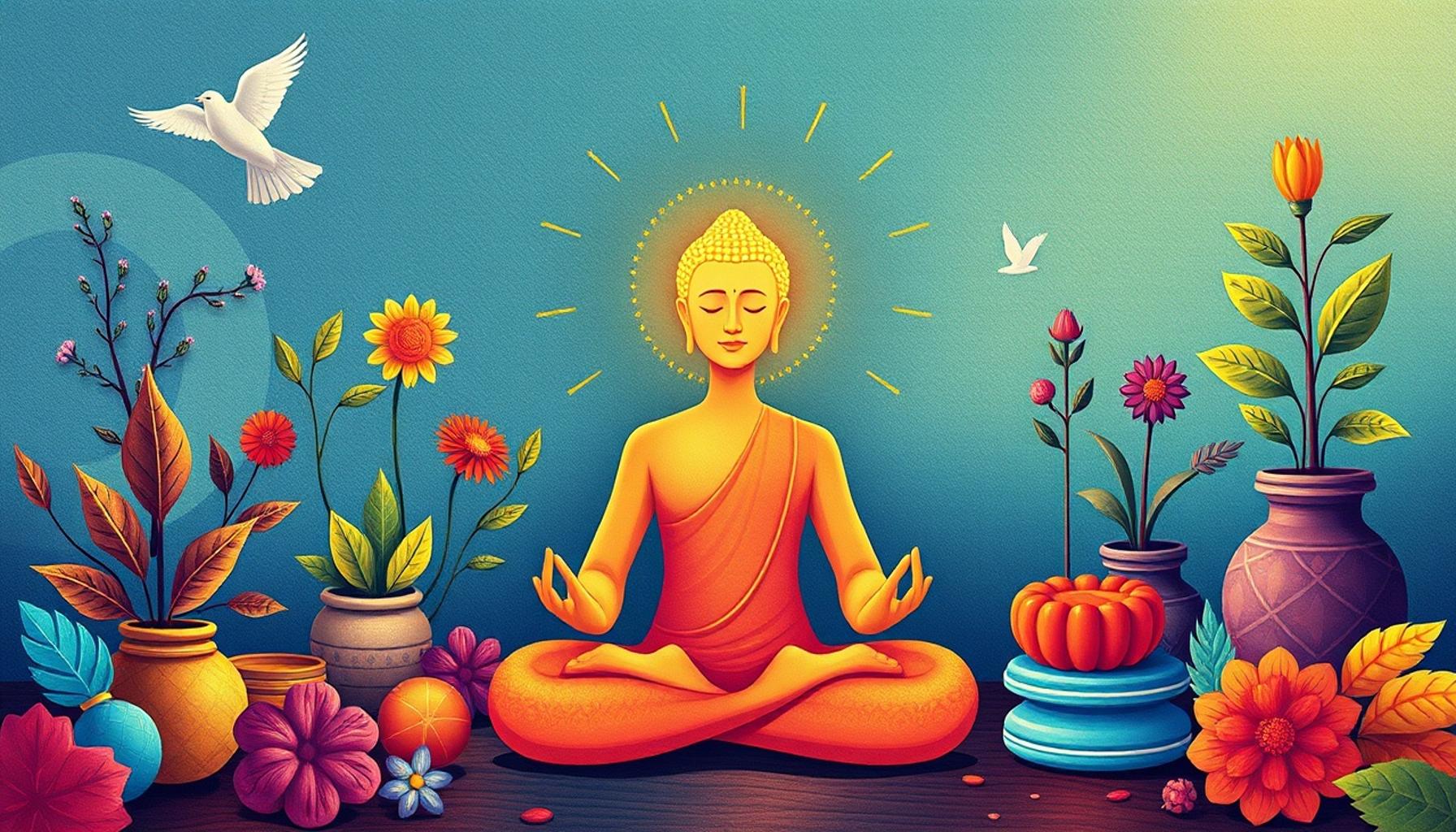
Stress Management and Mindfulness Techniques to Promote Emotional Well-Being in Times of Pressure

Understanding the Importance of Stress Management
In an age characterized by constant connectivity and overwhelming obligations, the ability to effectively manage stress has become increasingly vital. Stress can manifest in various ways, affecting not only our emotional health but also our physical well-being. Chronic stress, if left unmanaged, can contribute to a host of health issues such as cardiovascular diseases, obesity, depression, and a weakened immune system.
Moreover, studies show that significant amounts of American workers experience high levels of workplace stress, which can lead to burnout—an emotional, mental, and physical exhaustion that can severely hamper productivity. Reports by the American Psychological Association indicate that around 61% of employees attribute their work-related stress to heavy workloads, unrealistic deadlines, and lack of support. This statistic underscores the critical need for effective stress management strategies.
What is Mindfulness?
Among various techniques, mindfulness stands out as a powerful practice that encourages individuals to focus on the present moment. Emerging from ancient meditation practices, mindfulness has been validated by a growing body of scientific research for its benefits in reducing stress. It teaches individuals to observe their thoughts and feelings without judgment, which can significantly improve emotional regulation and resilience.
For example, a recent study conducted at the University of Massachusetts found that participants who engaged in mindfulness practices reported a 30% reduction in stress levels. Such techniques can include meditation, yoga, and even simple breathing exercises that help ground individuals, helping them regain clarity amidst chaos.
Techniques for Stress Management
Exploring various techniques for stress management can provide individuals with the tools they need to cope effectively. Some of the most widely practiced methods include:
- Meditation: This involves focusing the mind and eliminating distractions, which enables greater clarity and peace. Apps like Headspace and Calm have popularized guided meditation, making it more accessible.
- Breathwork: Simple breathing exercises can be incredibly effective in mitigating stress. Techniques such as the 4-7-8 method, where you inhale for four seconds, hold your breath for seven seconds, and exhale for eight, can promote relaxation.
- Mindful Walking: This technique combines physical activity with mindfulness. Walking in nature while paying attention to each step, the sounds around, and your breathing can create a meditative experience that reduces stress.
Incorporating these strategies into daily life can help individuals navigate their responsibilities more gracefully, leading to improved emotional well-being. The adaptability of mindfulness techniques allows them to be integrated seamlessly into various lifestyles, making it easier for anyone to embark on a journey toward better stress management.
Ultimately, understanding the significance of managing stress and embracing mindfulness techniques not only enriches individual lives but also fosters healthier communities. As more people become aware of these essential practices, they pave the way for a more balanced and resilient society.
Integrating Mindfulness into Daily Routines
As the demands of modern life continue to escalate, integrating mindfulness techniques into our daily routines can serve as a key strategy in promoting emotional well-being. By adopting a mindful approach, individuals can cultivate a deeper awareness of their thoughts and feelings, which ultimately helps in managing stress more effectively. The beauty of mindfulness lies in its simplicity; it can be practiced anywhere and at any time, making it an invaluable tool for navigating the pressures of life.
One effective method to incorporate mindfulness into everyday activities is through the practice of conscious breathing. Focusing solely on the breath—observing the inhalation and exhalation without interference—can ground individuals in the present moment. Research conducted by the University of California alerts us to the fact that just a few minutes of focused breathing can lower cortisol levels, thereby reducing stress. Regularly practicing this technique in short bursts throughout the day can provide immediate relief from overwhelming sensations of pressure.
Mindfulness in Professional Settings
The work environment, with its fast-paced nature and high expectations, often serves as a significant source of stress. Implementing mindfulness practices in the workplace can significantly enhance employee well-being and overall productivity. Many forward-thinking organizations have started to integrate mindfulness programs, recognizing their potential to reduce workplace stress and foster a more collaborative atmosphere.
Some practical ways to promote mindfulness in a professional setting include:
- Mindful Meetings: Encouraging brief moments of silence at the beginning of meetings can help participants center themselves and approach discussions with a clearer mind.
- Scheduled Breaks: Implementing short, scheduled breaks for mindfulness exercises can allow employees to recenter and recharge, ultimately boosting focus and creativity.
- Workshops and Training: Offering training in stress management and mindfulness techniques enables employees to build their own stress-relief toolbox, empowering them to manage challenges more effectively.
By adopting these practices, businesses can create a more supportive environment where employees feel valued and empowered, which in turn can decrease burnout rates and foster a thriving workplace culture.
The Role of Technology in Mindfulness
In our digital world, technology can also play a crucial role in facilitating mindfulness practices. Numerous apps and online platforms have emerged to provide guided meditation, mindfulness exercises, and resources aimed at reducing stress. For example, the popular app Calm offers a variety of options for users, including sleep stories, breathing exercises, and daily meditations tailored for different skill levels. These tools make it easier for people to incorporate mindfulness into their routines, regardless of whether they are at home, on their commute, or even on their lunch breaks.
As the understanding of the benefits of stress management and mindfulness continues to evolve, it is essential to embrace these practices in order to foster emotional resilience and overall well-being in times of pressure. The journey toward improved mental health begins with recognizing the importance of self-care and taking active steps to integrate mindfulness into our daily lives. In the following sections, we will explore additional techniques and their effects on emotional well-being, allowing readers to discover even more pathways to stress relief.
Exploring Stress Management Techniques
In today’s fast-paced world, the significance of effective stress management cannot be overstated. The integration of mindfulness techniques plays a critical role in enhancing emotional well-being. Incorporating simple practices into daily routines allows individuals to cultivate a calm and focused mindset. One popular method is mindfulness meditation, which promotes greater awareness of the present moment. This technique helps individuals detach from overwhelming thoughts, enabling them to approach stressful situations with clarity and composure.
The Role of Deep Breathing
Another effective strategy is deep breathing exercises. These exercises have shown remarkable efficacy in reducing physiological stress responses. By encouraging deep, rhythmic breathing, individuals can activate the body’s relaxation response, decreasing heart rate and blood pressure. This method not only aids in stress relief but also enhances concentration and emotional resilience.
| Category | Description |
|---|---|
| Mindfulness Meditation | Cultivates present moment awareness, helping to manage intrusive thoughts. |
| Deep Breathing | Activates the relaxation response, reducing stress-induced physical symptoms. |
Emotional Awareness Practices
Emotional awareness practices can further enhance self-regulation during stressful times. Journaling about one’s feelings provides insights that can lead to a healthier emotional landscape. By acknowledging their stressors, individuals can devise coping strategies tailored to their specific needs. Moreover, engaging in physical activities like yoga or tai chi combines physical movement with mindfulness, promoting both physical health and emotional well-being.
Additionally, maintaining a supportive social network is vital. Conversations with friends or family about stressors can alleviate feelings of isolation. These interactions provide comfort and perspective, reinforcing one’s ability to overcome challenges. By implementing a blend of these techniques, individuals can transform their approach to stress and build a more resilient emotional foundation.
Exploring Additional Mindfulness Techniques
As we delve deeper into the realm of mindfulness, it becomes clear that there are a myriad of techniques that can further enhance emotional well-being during stressful times. While conscious breathing and mindful meetings are excellent starting points, expanding our toolkit with additional practices can provide greater flexibility and resilience against pressure.
Mindful Walking
One of the most accessible and rejuvenating mindfulness techniques is mindful walking. This practice involves taking deliberate walks while paying attention to the sensations of each step, the rhythm of your breath, and the environment around you. Research indicates that spending time in nature and engaging in physical activity can greatly reduce stress levels, with a study by Stanford University highlighting that walking can boost creative thinking by up to 60%. When carried out with mindfulness, this simple practice can transform a routine task into a powerful tool for mental relaxation and clarity.
Body Scan Meditation
Another impactful technique is the body scan meditation, which encourages individuals to focus on different parts of their body, promoting awareness and relaxation. This practice helps in identifying areas of tension and stress that often go unnoticed in the hustle and bustle of daily life. By scanning the body from head to toe, individuals can consciously release stored tension, leading to enhanced physical and emotional comfort. A study from Harvard University found that individuals who practiced body scan meditation experienced significant decreases in stress and anxiety, exemplifying its efficacy for anyone battling day-to-day pressures.
Gratitude Journaling
Incorporating gratitude into mindfulness practices has proven to be exceptionally beneficial for emotional well-being. Gratitude journaling involves writing down three to five things you are grateful for each day. This practice shifts focus away from stressors and toward positivity, creating a mental habit that promotes overall happiness. A study published in the Journal of Personality and Social Psychology found that those who practiced gratitude journaling reported feeling more optimistic and less stressed. By dedicating a few minutes at the end of each day to reflect on positive experiences, individuals can cultivate resilience against pressure and foster a sense of emotional stability.
Engaging the Senses
Employing the five senses can also serve as an engaging way to practice mindfulness and mitigate stress. Activities like cooking, painting, or gardening allow individuals to immerse themselves in the present moment by actively engaging their senses. For instance, focusing on the smell of fresh herbs while cooking or the tactile excitement of cloth textures in sewing creates a deeper connection to the present, displacing worries and anxieties. Incorporating sensory experiences into daily routines not only enriches life but also forms a protective barrier against the overwhelming tides of stress.
Formalized Programs and Online Resources
In addition to personal practices, many individuals and organizations now turn to formalized mindfulness programs to reinforce their efforts. Numerous research studies have validated the effectiveness of structured mindfulness programs, such as Mindfulness-Based Stress Reduction (MBSR), which have been shown to reduce anxiety and enhance emotional resilience. Online resources, such as the Headspace app or various YouTube channels dedicated to mindfulness, serve as excellent platforms for those seeking guided support in cultivating these practices.
By broadening the understanding and application of mindfulness techniques, individuals can better navigate stressful periods in their lives. The continuous exploration of these methods can empower everyone, promoting a healthier mindset and fostering emotional well-being in the face of pressure. As we further examine various pathways to resilience, readers are invited to discover the diverse world of stress management techniques available to them.
Conclusion: Harnessing Mindfulness for Resilience
In the fast-paced world we live in, the importance of stress management and mindfulness techniques in promoting emotional well-being cannot be overstated. From the simplicity of mindful walking to the profound effects of body scan meditation and the uplifting practice of gratitude journaling, each technique plays a vital role in helping individuals navigate the complexities of daily pressures. By grounding ourselves in the present, we unlock a pathway to resilience that empowers not just our minds, but also our bodies and spirits.
The evidence supporting these methods is compelling; studies highlight significant reductions in anxiety and stress levels for those who engage in regular mindfulness practices. As we integrate these practices into our daily lives, we not only foster a healthier mindset but also cultivate a protective barrier against future stressors. Additionally, formalized programs and accessible online resources make it easier than ever for individuals to embark on their mindfulness journeys, ensuring that support is always within reach.
Ultimately, exploring mindfulness techniques offers an invitation to reimagine our relationship with stress and emotional well-being. By committing to these practices, we embark on a transformative journey that enhances not only our personal lives but also our professional interactions and relationships. As you reflect on the insights shared in this article, consider embracing mindfulness as a foundational component of your stress management approach. The journey towards emotional resilience is an ongoing process, one that requires patience, practice, and the willingness to embrace the present moment.