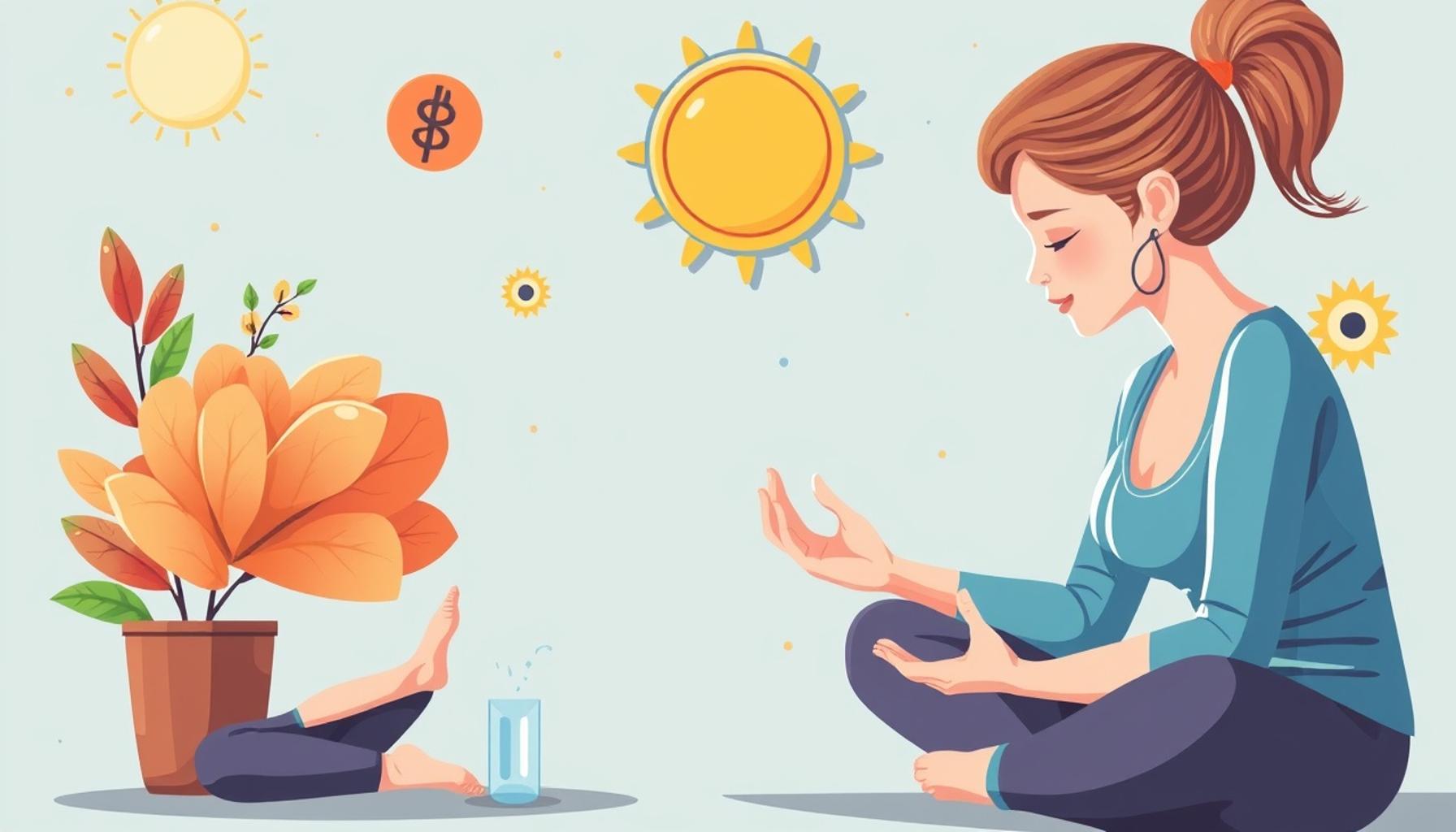
Strategies for Stress Reduction through Mindfulness and Movement: A Holistic Approach to Physical Wellness

Mindfulness: The Soul of Stress Management
In an era where the pace of life seems to accelerate daily, individuals increasingly face heightened levels of stress. This pervasive condition can lead to detrimental effects on mental and physical well-being, making it imperative to explore effective strategies for stress reduction. One of the most profound ways to navigate stress is through the dual practice of mindfulness and movement, both of which can enhance physical wellness and nurture inner peace.
Mindfulness is rooted in the art of being fully present in the moment, an approach that contrasts starkly with our often distracted and fast-paced lifestyles. Mindfulness can take various forms and offers a rich toolbox for enhancing mental clarity and emotional balance:
- Meditation: This age-old practice promotes mental clarity and emotional resilience. Regular meditation, even for just a few minutes a day, can reduce anxiety and foster a sense of calm. Consider guided meditation apps that are increasingly popular in the United States, such as Headspace or Calm; they provide structured practices for beginners and experienced mediators alike.
- Deep breathing: Known as ‘diaphragmatic breathing,’ this simple yet powerful technique helps to activate the body’s relaxation response. By focusing on slow, deep breaths, individuals can significantly lower their heart rate and reduce levels of the stress hormone cortisol.
- Body scans: This mindful technique involves mentally scanning the body from head to toe to increase body awareness and promote relaxation. It can be particularly effective for those grappling with chronic pain or tension, positioning the individual to cultivate a healthier relationship with their body.
Movement: The Body’s Release
While mindfulness nurtures the mind, movement serves as a liberating force for the body. Engaging in physical activities not only releases endorphins, which are natural mood elevators, but also enhances the vital mind-body connection. Some popular forms of movement include:
- Yoga: This ancient practice integrates physical postures, breath control, and meditation. From Hatha to Vinyasa styles, yoga helps reduce stress, improve flexibility, and foster a sense of community when practiced in group settings.
- Tai Chi: Often described as ‘meditation in motion,’ Tai Chi combines gentle flowing movements with deep breathing to enhance balance, flexibility, and resilience. Research indicates that regular practice can lower stress levels and improve quality of life among practitioners.
- Walking: The simplest and most accessible form of movement, walking allows individuals to immerse themselves in nature or their surroundings. Studies have shown that regular walking can improve mood and cognitive function, making it a practical choice for busy lifestyles.
Integrating Mindfulness and Movement
This article delves into actionable techniques that harness mindfulness and movement to combat stress and elevate overall health. Whether through a short, centered breathing exercise or a refreshing walk in the park, these strategies empower individuals to reclaim their well-being. Embracing these practices can lead to a more balanced and fulfilling life, encouraging readers to explore how each approach resonates with their personal journey toward wellness.
Harnessing the Power of Mindfulness
To effectively combat stress, it is essential to delve deeper into the components of mindfulness. This practice invites individuals to shift their attention away from the chaos of everyday life and focus on the present moment. Engaging fully with the here and now can significantly alter how we perceive stressors, enabling a more balanced response. Research suggests that just a few minutes of mindfulness meditation each day can decrease symptoms of anxiety and depression, providing a valuable tool for emotional regulation.
Additionally, the benefits of mindfulness extend beyond just the mental realm. Studies have shown that regular mindfulness practice can lead to tangible changes in the brain, particularly in areas related to attention and self-regulation. For those who struggle with maintaining focus, simple techniques such as the five senses exercise can prove beneficial. This exercise encourages individuals to notice five things they can see, four they can touch, three they can hear, two they can smell, and one they can taste. Such grounding techniques not only redirect attention but also foster a deeper connection to the environment, promoting a sense of calm.
Exploring Movement as a Medium for Relief
As we explore the relationship between movement and stress reduction, it’s important to note how physical activity can elevate mood and reduce tension. When the body moves, it releases chemicals that improve mood and promote a sense of well-being. This natural physiological response highlights why regular physical activity is a cornerstone of any effective stress management strategy. Various forms of movement can enhance this connection:
- Dancing: A fun and expressive way to relieve stress, dancing not only serves as physical exercise but also as an emotional outlet. Whether it’s a solo dance session in the living room or a class with friends, the joy of music paired with movement can significantly uplift one’s spirits.
- Running or jogging: In addition to elevating heart rates, running can stimulate the production of endorphins, often referred to as “runner’s high.” Many Americans find solace in nature trails, experiencing both the physical benefits of running and the mental clarity that outdoor environments can provide.
- Fitness classes: Group classes, such as Zumba or high-intensity interval training (HIIT), combine movement with social interaction, which can counteract feelings of isolation that often accompany stress.
Integrating movement into daily life provides undeniable health benefits, not only physically but also emotionally. A holistic approach that encompasses both mindfulness and movement can significantly enhance overall well-being, empowering individuals to manage stress proactively and healthily.
| Mindfulness Techniques | Movement Practices |
|---|---|
| Breathing Exercises | Yoga and Stretching |
| Enhancing focus and calming anxiety, breathing techniques serve as a direct connection to the present moment, aiding emotional regulation. | Incorporating yoga into daily routines promotes flexibility and reduces physical tension, making it a powerful ally in achieving emotional balance and wellness. |
| Guided Meditations | Tai Chi |
| Guided meditation not only trains the mind to maintain calmness but also encourages self-awareness and a deeper understanding of stress triggers. | With its gentle flowing movements, Tai Chi fosters relaxation and improves mental clarity while enhancing physical strength and coordination. |
The profound link between mindfulness and physical movement creates a holistic framework for managing stress effectively. Mindfulness-based strategies, such as the intricate practice of guided meditations, have been shown to cultivate an awareness that not only alleviates stress but also enhances resilience. Engaging in techniques like breathing exercises can deeply influence overall emotional health, guiding individuals towards a peaceful state by bringing focus to the present moment.On the other end, physical movement, exemplified by yoga and Tai Chi, embodies the pursuit of releasing built-up tension in the body, thus contributing to both physical and mental wellness. Integrating these practices into daily routines could result in noticeable improvements in mood and physical capability. Embracing a holistic approach to stress reduction through both mindfulness and movement is not just beneficial; it heralds a transformative journey towards optimal physical wellness.
Integrating Mindfulness and Movement for Enhanced Wellness
While mindfulness and movement each offer significant benefits for stress reduction, their true power comes when they are combined in a holistic approach. This integration encourages a deeper awareness of both the mind and body, facilitating a comprehensive stress management strategy that is both effective and sustainable.
Mindful Movement is a concept that captures this integration beautifully. Activities such as yoga and tai chi are prime examples of how movement can be executed with mindfulness. In yoga, practitioners focus on synchronized breathing and bodily sensations, which not only strengthen physical flexibility but also enhance emotional resilience. Research demonstrates that regular participation in yoga can significantly lower levels of the stress hormone cortisol, enhance overall mental health, and improve sleep quality. For those in fast-paced environments similar to many American workplaces, a brief session of yoga can rejuvenate both the mind and body during the day.
Similarly, tai chi uses slow, flowing movements accompanied by focused breathing. This ancient Chinese martial art promotes a serene mental state while improving balance and coordination. Studies indicate that tai chi can alleviate anxiety and depression while simultaneously boosting immune function. Joining a local tai chi group can also foster community connection, easing feelings of isolation often brought on by stress.
Finding Your Flow: Emphasizing Personal Enjoyment
Incorporating movement into a mindfulness practice doesn’t have to mean adhering to a strict regime; instead, it is essential to explore activities that resonate personally. Finding enjoyment in movement can significantly enhance adherence to a wellness plan. Activities such as hiking, cycling, or even leisurely walks in a nearby park can elevate the spirit while simultaneously promoting mindfulness.
- Hiking: The stunning landscapes of national parks across the United States offer an ideal backdrop for hiking. Engaging with nature not only helps individuals to breathe deeply and reconnect with the surroundings but also elevates mood and encourages physical activity.
- Cycling: Riding a bike can serve as both a means of transportation and a form of exercise. The rhythmic pedaling and fresh air invigorate the senses and encourage mindfulness, making it a delightful option for stress relief.
- Walking Meditations: This simple practice encourages individuals to be aware of their surroundings, body, and breath in motion. Setting aside time for purposeful walks, perhaps in a local park, can provide a welcome escape from daily stressors.
These varied forms of movement can enhance the efficacy of mindfulness practices by anchoring individuals in the physical world. This engagement not only provides exhilarating endorphins but also fosters a profound connection between mind and body, reinforcing the interconnectedness of holistic health.
Community and Support: Enhancing the Wellness Journey
Lastly, engaging with community resources such as group mindfulness sessions, fitness clubs, or wellness workshops can bolster one’s stress reduction efforts. Social support is integral to maintaining motivation and accountability. With organizations across the country offering online classes and local meet-ups, finding a community that shares similar wellness goals has never been more accessible. Group activities inherently provide social interaction, which can substantially diminish feelings of loneliness and stress.
By combining mindfulness with movement and fostering community support, individuals can effectively create a well-rounded approach to managing stress. As we deepen our understanding of these practices, we empower ourselves to cultivate a sustainable lifestyle that champions both physical wellness and emotional resilience.
Conclusion: Embracing a Holistic Approach to Stress Reduction
In today’s fast-paced world, the importance of stress reduction through mindfulness and movement cannot be overstated. By integrating these two practices, individuals can cultivate a balanced lifestyle that nurtures both mental and physical well-being. The synergy of mindful activities such as yoga and tai chi with invigorating outdoor pursuits like hiking and cycling not only fosters a deeper connection between mind and body but also empowers individuals to develop resilience against the stresses of daily life.
This holistic approach encourages self-exploration and personal empowerment, enabling individuals to discover activities that resonate with their unique preferences and lifestyles. With research highlighting the profound impact of both mindfulness and movement on reducing cortisol levels and enhancing overall mental health, it is clear that embracing these strategies can lead to lasting positive change.
Additionally, the significance of community support cannot be overlooked. Engaging in group activities amplifies motivation while alleviating feelings of isolation often brought on by stress. By connecting with like-minded individuals through local classes or wellness workshops, people can further bolster their efforts in achieving wellness goals.
Ultimately, as we commit to incorporating mindfulness and movement into our daily routines, we not only pave the way for improved emotional resilience but also inspire others in our journey. This holistic approach serves as an invitation to reevaluate our relationship with stress and embrace sustainable practices that champion physical wellness, thus nurturing a healthier, more fulfilling life.