
Signs That Your Pet Needs an Immediate Veterinary Consultation
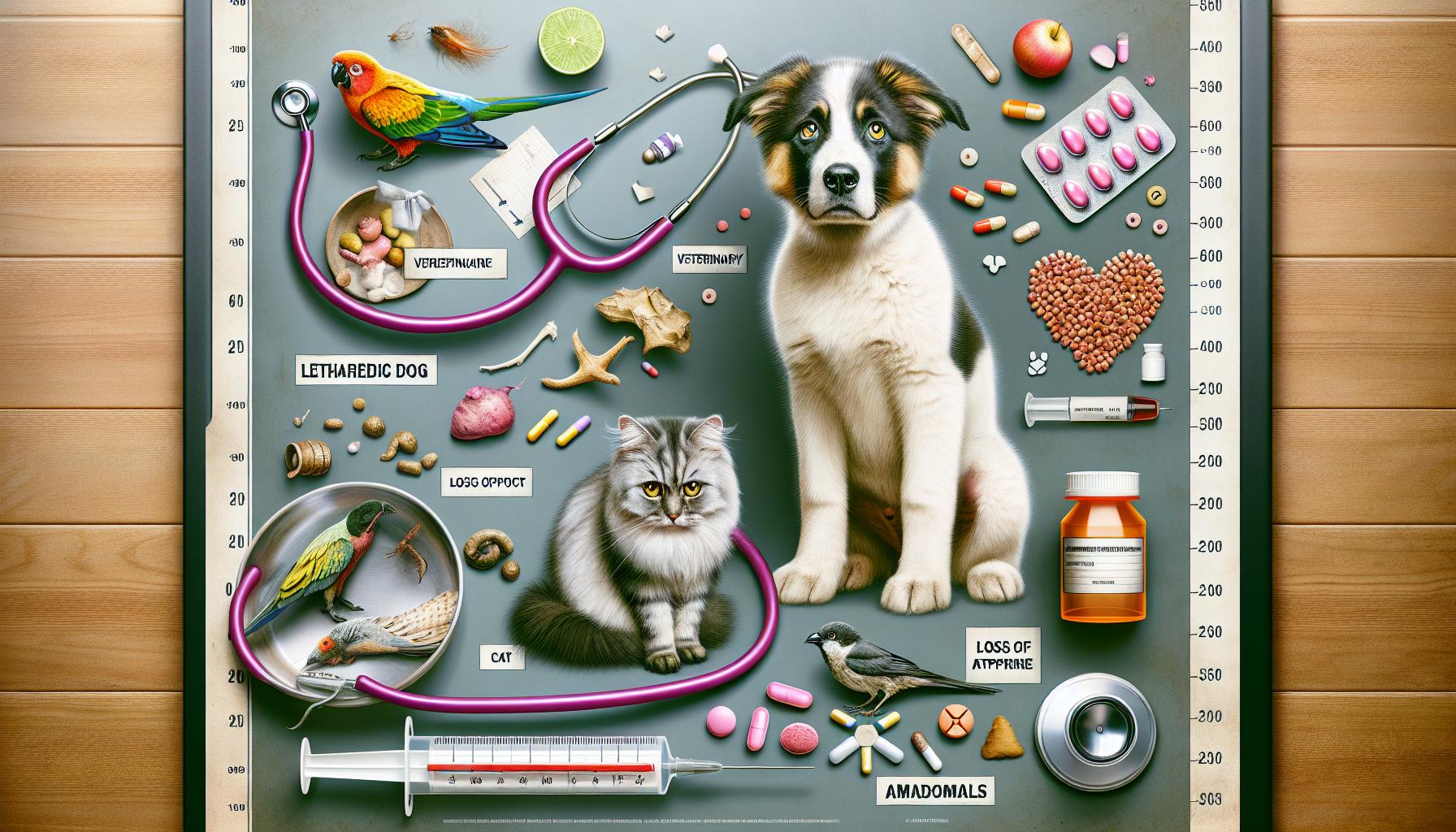
Recognizing Urgent Health Signs in Pets
As a responsible pet owner, it is essential to be aware of your furry friend’s health. Unlike humans, pets cannot verbally express their discomfort or distress, which makes recognizing the signs of a medical emergency all the more critical. Being knowledgeable about the common symptoms that indicate an urgent need for veterinary consultation can save your pet’s life. Here are some vital indicators to keep an eye out for:
- Persistent Vomiting and Diarrhea: Frequent episodes of vomiting or diarrhea can lead to dehydration, which is a serious concern for pets. For instance, a dog that vomits several times within a few hours may be suffering from a gastrointestinal issue, potentially requiring immediate medical treatment. Dehydration can worsen rapidly, so it’s essential to consult your veterinarian promptly.
- Difficulty Breathing: If your pet is gasping for air, wheezing, or exhibiting rapid breathing, it is crucial to respond swiftly. Breathing difficulties could indicate conditions such as asthma, pneumonia, or an allergic reaction, all of which require urgent care. Recognizing these early warning signs can sometimes make the difference between life and death.
- Severe Pain or Discomfort: If your pet is crying, whining, or unable to find a comfortable position, they may be in significant pain. For example, signs of distress can emerge if a pet is limping or avoiding putting weight on a limb, possibly indicating a fracture or injury that requires immediate veterinary assistance.
- Signs of Shock: Be alert for indications like weakness, cold limbs, or disorientation in your pet. These symptoms may signify shock due to trauma or severe internal issues and should never be overlooked. In such instances, getting your pet to a veterinarian as soon as possible is imperative.
- Excessive Bleeding: Any significant bleeding—whether from a wound or internal causes—demands immediate attention. For instance, a pet that has been in a fight may exhibit severe lacerations requiring emergency treatment to prevent life-threatening blood loss.
Understanding and recognizing these critical signs is essential to ensure your pet receives timely medical care. In the world of pet healthcare, time is often of the essence; delaying treatment can lead to escalated health issues or even permanent damage. Therefore, being equipped with knowledge about these warning signs can help you act swiftly, ensuring that your beloved pet has the best chances of recovery. Monitoring your pet’s health and behavior will not only enhance their quality of life but also strengthen the bond you share with them as a devoted and attentive owner.
LEARN MORE: Click here to discover the benefits of puppy socialization
Crucial Symptoms to Monitor
Being a responsible pet owner involves more than just providing food, shelter, and affection; it requires a keen eye for your pet’s health. Unlike humans, pets cannot communicate their discomfort or health issues verbally, making it essential for owners to be vigilant about their well-being. Recognizing critical symptoms early can dramatically improve health outcomes and enhance the quality of life for your furry companions. Here are some crucial signs that necessitate immediate veterinary attention:
- Change in Appetite: A sudden loss of appetite is often a significant red flag. Pets may refuse to eat due to various health problems including dental issues, gastrointestinal disturbances, or more systemic conditions such as kidney disease or cancer. For example, if your dog stops eating its favorite treats or consistently overlooks meal times, it is advisable to consult a veterinarian. Any loss of appetite lasting more than 24 hours should always be taken seriously.
- Unusual Behavior: Pets often express discomfort or distress through behavioral changes. If your usually playful cat suddenly becomes withdrawn or a friendly dog starts growling at familiar faces, these could be warning signs of pain or illness. For instance, an normally active pit bull that prefers to stay hidden may be experiencing an injury or underlying health issue, making it crucial to seek advice from a veterinarian to diagnose the problem effectively.
- Frequent Urination or Straining to Urinate: Changes in urination habits can frequently signal health issues such as urinary tract infections (UTIs), bladder stones, or diabetes. If your pet is urinating more frequently than usual or shows signs of discomfort while urinating—like whining, straining, or blood in the urine—it’s a situation that requires prompt veterinary attention to avoid complications.
- Swelling or Bloating: Any noticeable swelling in your pet, particularly in the abdomen, can be indicative of serious health issues such as bloat, tumors, or organ distension. Gastric dilatation-volvulus (GDV), commonly known as bloat, is a condition that can be life-threatening and is especially prevalent in large breeds like Great Danes and Doberman Pinschers. If you observe this symptom, immediate veterinary intervention is vital to prevent a critical situation.
- Seizures: Witnessing a seizure in your pet is undoubtedly alarming. This sign can indicate a range of conditions from epilepsy to potential poisoning or metabolic disorders. Immediate veterinary care is essential following a seizure to determine the underlying cause and to address any potential health risks.
Being attentive to these pivotal signs can significantly influence your pet’s health trajectory. The ability to recognize alarming changes in behavior, appetite, and physical condition can empower you as a pet owner to take actionable and timely steps. Remember, health emergencies in pets can manifest suddenly and without clear indicators. Therefore, your vigilance plays a crucial role in preventing ordinary health concerns from evolving into critical emergencies. Additionally, adopting a proactive approach to your pet’s healthcare not only ensures their well-being but also fosters a long-lasting and enriching companionship for both you and your beloved animal.
| Category | Description |
|---|---|
| Severe Behavioral Changes | Pets displaying uncharacteristic aggression or extreme lethargy may be in distress. |
| Gastrointestinal Disturbances | Persistent vomiting, diarrhea, or loss of appetite can indicate serious health issues. |
| Difficulty Breathing | Labored breathing or wheezing may suggest a respiratory emergency. |
| Unexplained Pain or Discomfort | Pets exhibiting signs of pain, such as whining or limping, should be seen immediately. |
Recognizing these critical signs can mean the difference between life and death for your beloved pet. It’s essential to act swiftly when you notice any significant changes in your pet’s behavior or health. Prioritizing your pet’s well-being by seeking immediate veterinary attention can provide them with the best chance at recovery. Don’t hesitate to consult a professional if you suspect your pet is in danger or suffering. The veterinary team can offer insights and treatment options that are crucial during these emergencies. Your pet depends on you to notice these signs, so always stay vigilant and informed.
DISCOVER MORE: Click here to learn about funding options for your pet care
Critical Signs of Distress in Pets
Beyond changes in appetite and behavior, several other symptoms can indicate that your pet is in urgent need of veterinary care. Being aware of these additional signs may save your pet’s life and ensure they receive the necessary care without delay. Here are some critical indicators that should never be overlooked:
- Difficulty Breathing: Labored or troubled breathing should always be deemed serious. Signs to watch for include panting excessively, wheezing, or open-mouthed breathing. Conditions such as pneumonia, asthma, or heart problems can manifest through these symptoms. If your pet is struggling to breathe, it’s crucial to seek immediate veterinary attention, as oxygen deprivation can lead to fatality within minutes.
- Persistent Vomiting or Diarrhea: While occasional vomiting or diarrhea may not be a cause for alarm, consistent or severe episodes can lead to dehydration and indicate underlying issues like infections, toxin ingestion, or gastrointestinal obstruction. If your pet shows signs of lethargy, fever, or has blood in their vomit or stool, rush them to the veterinarian promptly for a thorough evaluation.
- Signs of Pain: Animals, especially those that are instinctively prey species, often conceal their pain. However, there are common signs that indicate discomfort, such as whimpering, restlessness, and sensitivity when touched. Additionally, if your pet exhibits an altered posture, such as hunching over or limping, it’s vital to schedule a veterinary consultation to identify the cause of the pain.
- Excessive Drooling or Changes in Grooming Habits: An increase in salivation can be a sign of distress caused by oral problems, poisoning, or nausea. Similarly, if your pet suddenly stops grooming or excessively licks certain areas of their body, it could indicate skin allergies or irritations that require veterinary intervention. Promptly addressing these concerns can prevent further complications.
- Eye or Nose Discharge: Uncommon discharge from the eyes (like excessive tearing or redness) or nose (such as bleeding or mucus) can signal infections, allergies, or other health problems. If you observe any abnormal discharge, particularly if accompanied by other symptoms such as coughing or lethargy, consult your veterinarian for a proper diagnosis and treatment.
The awareness of these critical symptoms not only equips you with the knowledge to identify health emergencies but also fosters a proactive approach to your pet’s healthcare. Remember that acting swiftly when you notice alarming symptoms can prevent serious health concerns or complications down the line. Veterinary professionals emphasize the necessity of early detection and treatment, which can drastically impact the prognosis for health conditions your pet may face.
Ultimately, understanding your pet’s normal behavior and health patterns enables you to notice deviations that warrant concern. The bond between you and your pet is invaluable, and your attentive care can significantly enhance their lifetime and quality of life.
DISCOVER MORE: Click here for insights on genetics and pet health
Conclusion: Being Proactive for Your Pet’s Health
Recognizing signs that your pet needs an immediate veterinary consultation is critical for ensuring their well-being and longevity. Your pet relies on you to notice subtle shifts in behavior, physical condition, and overall demeanor that could indicate distress or illness. From labored breathing to persistent vomiting, or even noticeable changes in grooming habits, each symptom serves as a warning sign that should not be ignored. Being vigilant and responsive to these signals empowers you to act quickly and potentially save your pet’s life.
It’s essential to remember that pets cannot verbalize their discomfort or pain. As a responsible pet owner, familiarizing yourself with their normal patterns of behavior and promptly addressing any deviations can significantly affect their health outcomes. The importance of early detection and intervention cannot be overstated; it can lead to a more favorable prognosis and treatment experience.
In understanding the emergency signs that necessitate immediate veterinary attention, you play a crucial role as an advocate for your pet’s health. Your compassion and awareness not only enhance your pet’s quality of life but also deepen the bond you share. If you ever feel uncertain, reaching out to your veterinarian is always a wise choice. After all, ensuring the health and happiness of your furry companions starts with being attentive and proactive.