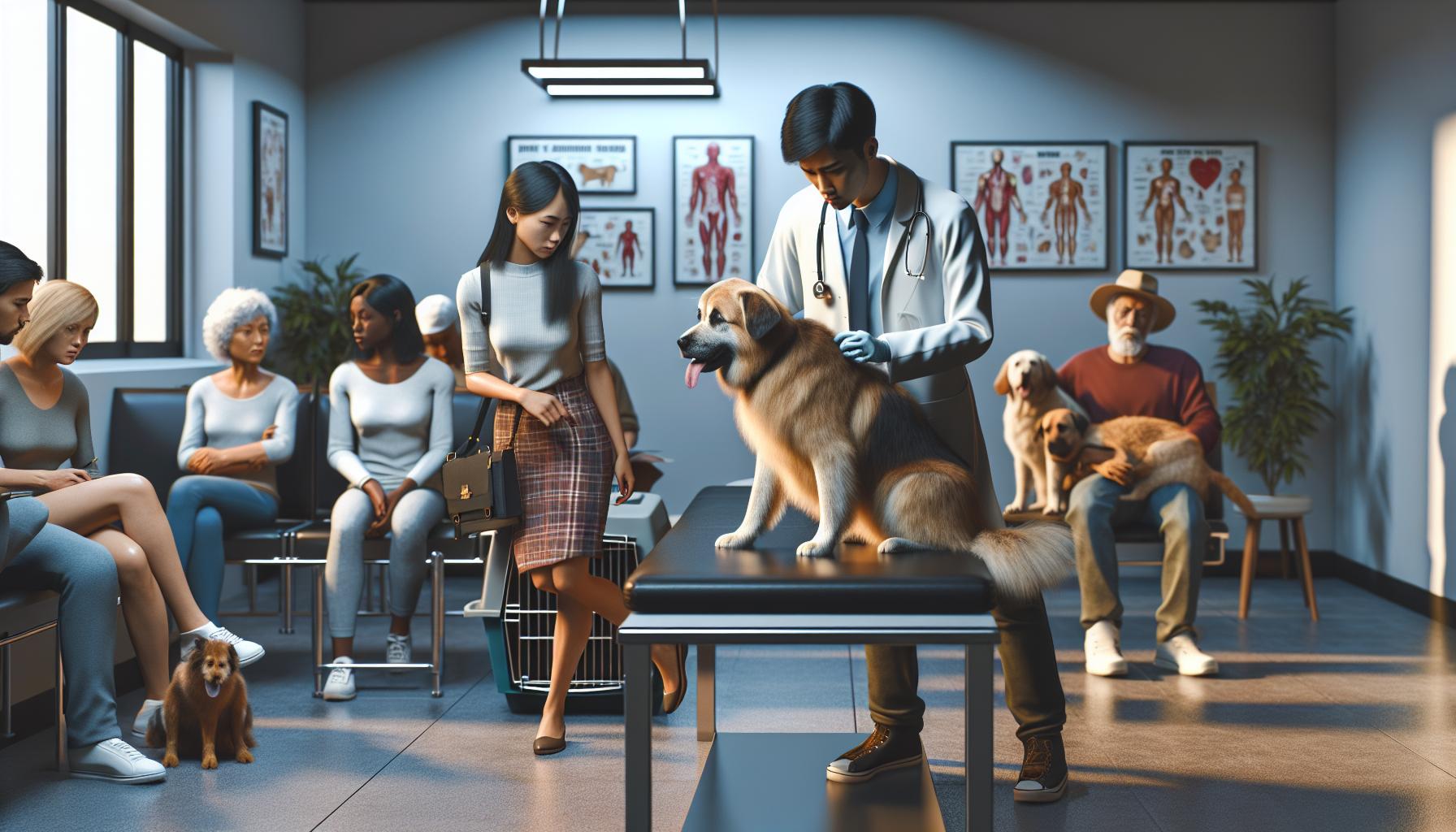
Vaccines and Check-ups: The Importance of Prevention in Veterinary Visits

Understanding the Importance of Preventive Veterinary Care
As pet owners, our responsibilities extend beyond simply providing food and shelter; our cherished companions rely on us for their health and well-being. One of the most effective ways to ensure a long and happy life for our pets is through preventive care, which includes regular veterinary visits, essential vaccines, and thorough check-ups. These proactive measures are crucial in preventing serious health issues before they become critical.
Routine veterinary visits are not merely a formality; they are fundamental to monitoring the health status of your pet. Consider the role of vaccination, which is a vital tool in preventing common but dangerous diseases. For instance, diseases such as rabies, parvovirus, and kennel cough can have devastating effects on animal populations and even pose health risks to humans. A series of vaccines administered during your pet’s early life can dramatically lower the risk of these diseases. Furthermore, timely booster shots throughout a pet’s life ensure continued protection against these potential threats.
Alongside vaccinations, regular check-ups serve as an important cornerstone of preventive care. During these visits, veterinarians perform comprehensive examinations that allow them to detect early signs of health complications such as dental disease, obesity, or even chronic conditions like diabetes. By identifying and addressing these issues early on, pet owners can avoid costly treatments and improve the quality of life for their pets. For example, a simple blood test during a routine visit can uncover kidney dysfunction or thyroid issues, enabling timely and effective treatment.
In addition to vaccinations and check-ups, it is also essential to invest in parasite control. Fleas, ticks, and worms are not just an inconvenience; they can lead to serious health problems, including anemia, Lyme disease, and gastrointestinal issues. Regular screening and preventative medications can keep your pets safe from these pests and the diseases they carry. In fact, studies indicate that dogs on flea and tick preventatives have healthier skin and fewer infections, showcasing the impact of these preventive measures.
While the financial investment in routine veterinary care may seem daunting at times, the long-term benefits vastly outweigh the initial costs. Statistics consistently show that pets receiving routine care experience significantly fewer health issues, ultimately leading to lower veterinary bills and increased lifespans. According to a survey by the American Veterinary Medical Association, pets that receive ongoing preventive care can live as much as 15% longer than those that do not.
This exploration of preventative veterinary care highlights the immense advantages afforded by vaccinations, regular check-ups, and parasite control. As we delve deeper into understanding the significance of routine veterinary visits, we can empower ourselves to make informed decisions that enhance our pets’ health and happiness. By prioritizing prevention, we not only safeguard our pets but also enrich our experiences as loving pet owners.
DIVE DEEPER: Click here to learn more about essential nutrients
The Critical Role of Vaccines in Pet Health
Vaccination is often the first line of defense in safeguarding our pets against life-threatening diseases. In the United States, the Centers for Disease Control and Prevention (CDC) emphasizes the necessity of vaccinating not only humans but also animals, as certain zoonotic diseases can be transmitted from pets to people. Vaccines stimulate an animal’s immune system to recognize and combat specific pathogens, mitigating the risk of outbreaks within local communities.
One of the most well-known vaccines is the rabies vaccine, which is mandated by law in many states. Rabies is a fatal virus that can affect all mammals, including humans. Annual or triannual vaccinations against rabies ensure pets are protected and help contribute to public health safety by preventing potential transmission to humans. Similarly, the canine parvovirus, known for its high mortality rate among puppies, can be effectively prevented through timely vaccinations. This highly contagious virus can quickly decimate a population of unvaccinated dogs, presenting a real risk to both individual pets and community health.
Equally important is the vaccination against bordetella bronchiseptica, the bacterium that causes kennel cough. Kennel cough is especially prevalent in environments where dogs congregate, such as boarding facilities, dog parks, and groomers. Vaccinating against this illness not only protects your dog but also helps to maintain healthier canine populations within the community.
Types of Vaccines
Understanding the different types of vaccines is crucial for responsible pet ownership. Vaccines can generally be categorized into two groups: core vaccines and non-core vaccines. Core vaccines are mandatory as they protect against widespread diseases that pose severe threats to pet and public health, while non-core vaccines are given based on a pet’s specific lifestyle, environment, and exposure risk. Here’s a breakdown of some key vaccines for dogs and cats:
- Core vaccines for dogs: Distemper, Parvovirus, Hepatitis, and Rabies.
- Non-core vaccines for dogs: Bordetella, Lyme disease, and Leptospirosis.
- Core vaccines for cats: Feline Panleukopenia, Feline Herpesvirus, Feline Calicivirus, and Rabies.
- Non-core vaccines for cats: Feline Leukemia and Chlamydia.
These vaccinations typically follow a specific schedule, starting from the time the pet is a young puppy or kitten and continuing throughout their lives. Adhering to this schedule is vital because it optimally primes the pet’s immune system to defend against pet diseases. In many cases, neglecting to follow this vaccination schedule can lead to unnecessary suffering for your pet and even increase the risk of wider outbreaks in the community.
By taking advantage of available vaccinations, pet owners can play a substantial role in nurturing a healthier environment for pets and humans alike. In summary, vaccines are not only a personal insurance policy for your pet’s health, but also an investment in the well-being of the wider community.
| Prevention Category | Key Advantages |
|---|---|
| Vaccinations | Protects against severe diseases that can be life-threatening to pets. |
| Regular Check-ups | Early detection of health issues, which can lead to more effective treatments. |
| Preventative Medications | Prevents parasitic infections, improving overall animal health and comfort. |
| Owner Education | Empowers pet owners with knowledge to recognize symptoms and make informed decisions. |
Vaccines and check-ups hold significant importance in veterinary care. Vaccination programs safeguard pets against a range of infectious diseases, such as parvovirus and rabies. Keeping up to date with vaccinations is crucial for the healthy lifespan of your pet. Regular veterinary check-ups are indispensable as they enable early identification of potential health risks, allowing for timely interventions. This not only saves on extensive medical costs later but also enhances the quality of life for pets.Moreover, implementing preventative medications helps combat parasites like fleas and ticks. Such proactive measures can reduce the likelihood of severe infections and discomfort for pets. Lastly, educating pet owners on proper care and preventive healthcare measures facilitates a greater understanding of their pets’ needs, encouraging more frequent veterinary visits. This holistic approach is essential for promoting the health and wellbeing of our furry companions, leading to longer, happier lives.
LEARN MORE: Click here to delve into the costs and responsibilities of pet adoption
The Value of Routine Check-ups and Preventive Care
While vaccines are a pivotal aspect of pet health, regular veterinary check-ups play an equally crucial role in early detection and prevention of various health conditions. Routine visits to the veterinarian allow for comprehensive health evaluations, including assessments of weight, dental health, and behavioral changes. The American Veterinary Medical Association (AVMA) encourages pet owners to schedule annual or semi-annual check-ups depending on the age and health status of their pets, as proactive care always trumps reactive treatments.
During these visits, veterinarians conduct a thorough physical examination, checking vital signs and assessing the overall well-being of your pet. They may also recommend laboratory tests, such as blood work and urinalysis, to identify underlying health issues that may not be apparent during a routine examination. For instance, conditions like kidney disease or diabetes can often develop insidiously, and catching them early can significantly improve the quality of life and the longevity of your pet. Data suggests that pets receiving regular check-ups are more likely to live longer, healthier lives compared to those who only visit the vet when problems arise.
Preventive Heartworm and Parasite Control
Another critical component of preventive care includes regular heartworm testing and parasite control. Heartworms, transmitted through mosquito bites, can be fatal if not detected and treated promptly. Fortunately, preventive medications are widely available and can effectively protect dogs and cats against this dangerous parasite. The AVMA recommends annual heartworm tests even for pets on preventive medication, as occasional lapses in dosage or administration can occur and put pets at risk.
Moreover, gastrointestinal parasites such as roundworms, hookworms, and tapeworms pose significant health threats, especially to young or immunocompromised pets. Regular fecal examinations allow veterinarians to identify and treat these parasites promptly, preventing potential complications and transmission to humans. These preventive measures not only protect your pet’s health but also mitigate the risk of zoonotic infections in households. A staggering statistic indicates that approximately 10% of US households with dogs report household members contracting parasite-related illnesses at some point.
Dental Care: An Often-Overlooked Aspect of Health
Dental health is another critical yet frequently neglected aspect of preventive care. According to the American Animal Hospital Association (AAHA), over 80% of dogs and 70% of cats show signs of dental disease by the age of three. Routine dental check-ups can help prevent periodontal disease, which can lead to more severe health issues, including heart and kidney problems due to bacteria entering the bloodstream from the mouth. Veterinarian-dentists often recommend annual dental cleanings, along with at-home care tips, such as regular brushing, to maintain optimal oral hygiene.
Overall, the synergistic effect of vaccines complemented by regular check-ups creates a robust system of preventive care for our pets. By engaging actively in the preventive healthcare process, pet owners empower their animals to lead healthier, happier lives while simultaneously contributing to a healthier pet community. Investing in regular veterinary care is not just a choice; it’s a responsibility that lays the groundwork for a thriving future for both pets and their people.
DON’T MISS: Click here for essential tips
Conclusion: Embracing the Power of Preventive Care
In summary, the significance of vaccines and routine veterinary check-ups cannot be overstated in the quest for optimal pet health. These preventive measures form a comprehensive strategy that not only protects our beloved companions from preventable diseases but also allows for timely detection and management of potential health issues. By keeping up with vaccinations and scheduling regular check-ups, pet owners can ensure a life filled with vitality and joy for their pets.
The American Veterinary Medical Association (AVMA) highlights a stark reality: many pet owners underestimate the dangers posed by not adhering to a disciplined preventive care regimen. Diseases such as rabies, parvovirus, and heartworm can strike unexpectedly and with devastating effects. Moreover, the benefits of early detection through veterinary assessments extend beyond mere survival; they significantly enhance the overall quality of life for pets and can lead to longer lifespans.
As pet ownership continues to rise—approximately 67% of households in the U.S. own at least one pet—the responsibility extends beyond individual owners to safeguard the well-being of the broader pet population. Engaging in preventive care, including vaccines, heartworm testing, parasite control, and dental health management, builds not only a healthier pet but also a safer community.
Ultimately, investing in these vital veterinary services is more than a routine obligation; it is an essential commitment that shapes a healthier future for our pets and strengthens the bond between human and animal. Let us prioritize prevention to ensure laughter, love, and companionship endure for years to come.