Advances in Veterinary Technology: The Future of Veterinary Visits
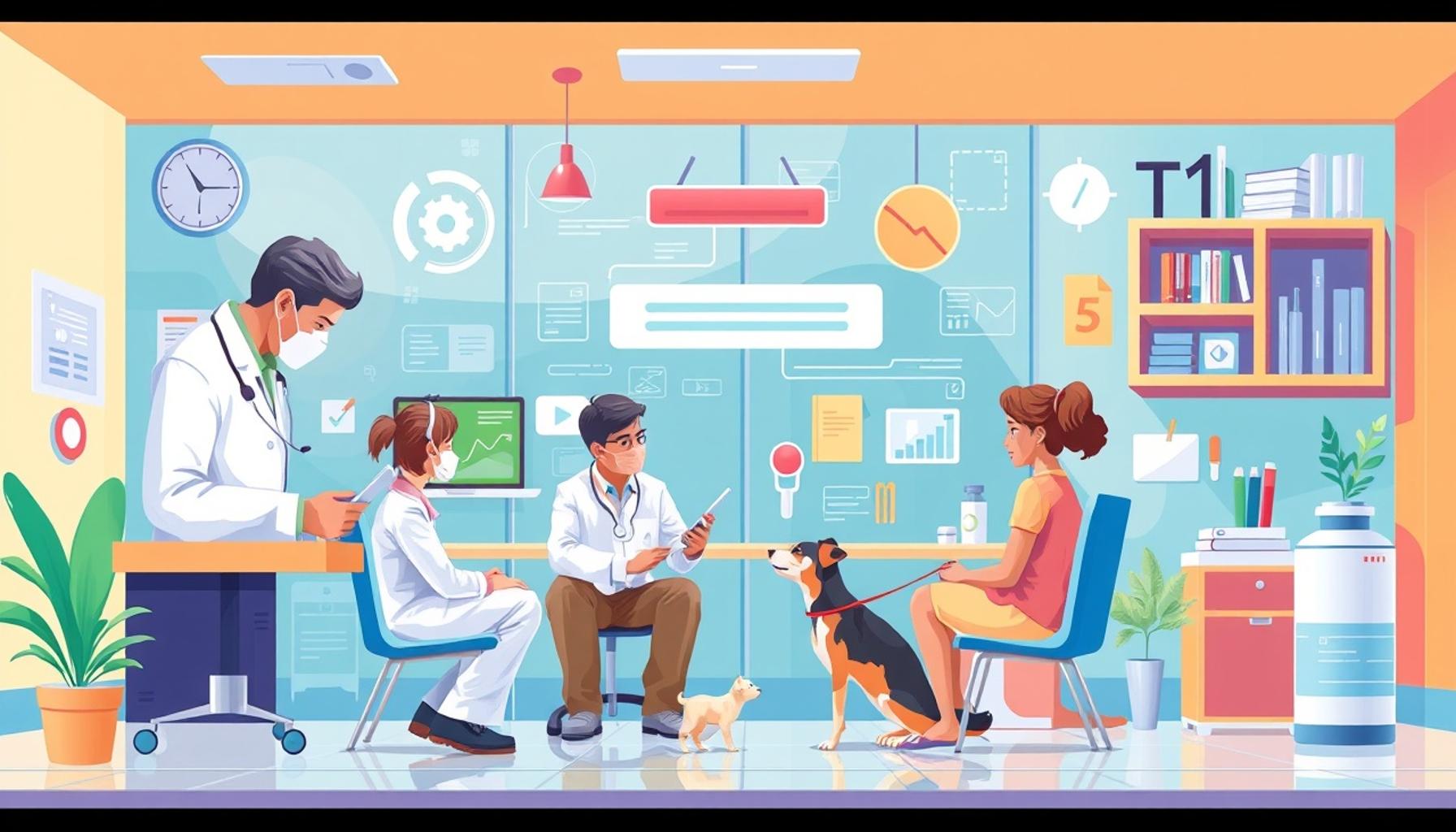
The Evolution of Veterinary Care in the Digital Age
Technological advancements have served as a catalyst for change in the veterinary field, leading to innovative solutions that enhance both the quality of care pets receive and the overall experience for their owners. As pet owners increasingly seek seamless access to veterinary services, these advancements are transforming a once traditional practice into a modern, responsive approach that prioritizes efficiency and precision.
Telemedicine: A Gateway to Access
Telemedicine has emerged as a significant player in veterinary care, providing an effective means for pet owners to consult with veterinarians without the need to leave their homes. This is particularly valuable in rural areas or for pet owners with mobility challenges. Virtual consultations allow for quicker assessments and can often resolve minor issues without the need for an in-person visit. For example, platforms like “Vetster” and “Fuzzy” enable pet owners to connect with licensed veterinarians via video calls, ensuring they receive timely advice on persistent health concerns, dietary issues, or behavioral problems.
Wearable Devices: A Leap in Monitoring
The introduction of wearable devices has further revolutionized pet health monitoring. Devices like the “FitBark” and “Whistle” act much like human fitness trackers, offering real-time insights into pets’ activity levels, sleep patterns, and vital signs. These gadgets send alerts about irregularities, such as sudden changes in heart rate or physical activity, allowing pet owners to take a proactive approach to their pet’s health. For instance, if a dog experiences elevated heart rates during rest, owners can consult their veterinarian to assess potential underlying health conditions.
Artificial Intelligence: The Diagnostic Revolution
Artificial Intelligence (AI) is increasingly being integrated into diagnostic processes, enabling veterinarians to make more informed decisions based on vast amounts of data. AI algorithms can analyze imaging scans, lab results, and historical data with precision, often highlighting areas of concern that might be overlooked in a traditional setting. Companies like “Vetcove” and “Petcube” are pioneering the use of AI to aid in diagnostics, suggesting treatment plans and prioritizing conditions based on urgency, thereby creating a more efficient workflow within animal hospitals.
Advancements in Veterinary Care
The impact of these innovations extends far beyond convenience. The potential for enhanced diagnostics means that pets can receive quicker treatment for ailments that might have initially gone undetected. For example, with faster analysis and interpretation of lab tests, veterinarians can tailor improved treatment plans to specifically cater to the unique needs of each pet, considering not only their physical condition but also their age, breed, and lifestyle.

Moreover, technology facilitates streamlined communication between veterinarians and pet owners. Platforms that allow pet owners to access their pet’s medical records online foster an environment of transparency and collaboration, empowering owners to take a more active role in their pet’s health management.
As these technologies continue to evolve, we can anticipate a shift towards a more proactive and preventive approach to pet health—one that not only addresses illnesses but actively works to prevent them. The veterinary industry stands on the brink of a promising future, where the enhanced link between technology and animal care continues to foster trust and understanding among pet owners and the veterinary community alike.
Transforming Veterinary Practices with Technology
As we witness a technological renaissance in the veterinary sector, the rapid adoption of innovative tools and solutions is paving the way for improved outcomes in pet healthcare. This evolution is not merely about embracing new gadgets; it heralds a fundamental shift in how veterinarians interact with their patients and their owners. With the rise of smart technologies, practitioners are more equipped than ever to offer personalized, efficient, and proactive care.
Enhanced Diagnostic Capabilities
The application of advanced imaging technologies marks a significant leap forward in veterinary diagnostics. Through the use of high-definition ultrasound, digital radiography, and even MRI, veterinarians can detect conditions that previously went unnoticed during routine examinations. For example, the quick turnaround and detailed visuals from digital X-rays reduce the time taken to diagnose issues like fractures or internal injuries, allowing for immediate treatment decisions.
Smart Medical Devices Revolutionizing Treatment
Moreover, the introduction of smart medical devices in veterinary clinics is fostering a more targeted approach to treatment strategies. Devices such as new generation syringes with built-in sensors provide real-time feedback on the administration of medications. This innovation minimizes human error, ensuring pets receive the correct dosages based on their health status. Furthermore, implantable devices that monitor specific health metrics, such as glucose levels in diabetic pets, enhance long-term health management and can prevent urgent situations.
Data Analytics Driving Preventive Care
By utilizing big data analytics, veterinary professionals are now able to identify patterns and predict potential health problems in pets. These insights are particularly beneficial for managing chronic conditions, where ongoing monitoring is crucial. For example, predictive analytics can assess a pet’s breed-related health risks, suggesting preventive screenings tailored to individual needs. By aligning treatment protocols with comprehensive data analyses, veterinarians can mitigate risks and enhance the overall health of their patients.
Seamless Customer Experiences
The integration of technology has also significantly improved the customer experience within veterinary practices. Pet owners can now access appointment scheduling, receive reminders, and even track medication refills through user-friendly mobile applications. This level of convenience transforms the way owners engage with veterinary services, allowing them to prioritize their pets’ health without the hassle of traditional scheduling challenges.
Emerging Technologies in Veterinary Care
As we peer into the future, several emerging technologies are poised to further revolutionize veterinary care:
- Blockchain technology for secure medical record keeping
- 3D printing of custom prosthetics and surgical models
- Robotics for complex surgeries
- Virtual Reality (VR) for training veterinary students
The changes brought about by these advancements reflect a growing commitment to not only addressing health issues as they arise but also pioneering a climate where pets receive proactive management. In a world where the role of technology continues to expand, it is clear that the future of veterinary visits is being transformed into an experience that is as sophisticated as it is compassionate.
Exploring New Frontiers in Veterinary Care
Advancements in veterinary technology are transforming how pets receive care, paving the way for more efficient and effective vet visits. The integration of telemedicine is a prime example of this evolution. With telemedicine, pet owners can connect with veterinarians through video consultations, dramatically improving accessibility to professional advice. This method not only saves travel time but also allows for quick assessments, enabling veterinarians to offer timely solutions to common issues without the need for an in-person appointment.Moreover, diagnostic tools have revolutionized the speed and accuracy of pet care. Technologies such as point-of-care diagnostics enable veterinarians to perform tests during the visit, providing instant results for conditions like infections or metabolic disorders. This quick turnaround time is invaluable as it allows for prompt treatment decisions, ensuring pets receive the care they need without delay.In addition, wearable health monitoring devices have emerged, allowing owners to track their pets’ vital signs, activity levels, and even behavioral patterns in real time. Data collected by these devices can be invaluable for veterinarians, aiding in proactive care and better understanding of health trends over time. This level of monitoring not only helps in managing chronic conditions but also enhances overall pet wellness.As we delve deeper into these advancements, it’s essential to recognize the impact they have on the veterinarian-client relationship. Enhanced communication through various platforms fosters trust and empowers pet owners to take an active role in their pet’s health care journey. Embracing these technological innovations can lead to a more fulfilling experience for both pets and their owners, marking a new era in veterinary visits.
| Category 1 | Category 2 |
|---|---|
| Telemedicine | Connects pet owners with vets through video consultations, improving accessibility. |
| Point-of-Care Diagnostics | Provides instant test results during appointments for quicker treatment decisions. |
| Wearable Health Monitors | Tracks pets’ health metrics in real-time, aiding proactive care and vet assessments. |
| Enhanced Communication | Fosters trust between pet owners and veterinarians through improved interaction. |
Continued exploration and integration of these technologies promise to further enhance veterinary visits, ensuring that the future of pet healthcare is both innovative and compassionate.
Innovative Approaches to Pet Health Management
The evolution of veterinary technology goes beyond just enhanced diagnostics and efficient patient management; it extends into integrating holistic approaches that encompass the overall well-being of pets. With the advent of telemedicine and remote monitoring, the idea of traditional veterinary visits is transitioning towards a more comprehensive and interactive care model. These advancements allow pet owners to interact with veterinary professionals in new and exciting ways, establishing a continuous care paradigm.
Telemedicine: A Game Changer for Accessibility
Telemedicine has burgeoned in popularity, providing unprecedented accessibility to veterinary care. Pet owners can now consult with veterinarians from the comfort of their homes, relying on virtual appointments for non-emergency situations. This innovation eliminates geographical barriers, particularly beneficial for those living in rural areas with limited access to veterinary services. Research shows that 70% of pet owners are open to virtual consultations for their pets, highlighting a significant demand for this technology. The convenience of video consults allows for timely intervention, reducing the potential exacerbation of health issues.
Wearable Technology for Continuous Monitoring
Another fascinating development is the rise of wearable technology specifically designed for pets. Devices like smart collars are equipped with GPS tracking, temperature monitoring, and activity level assessments. This data offers veterinarians and pet owners valuable insights into a pet’s daily health and behavior. For instance, a sudden change in activity levels could be indicative of an underlying health issue, prompting early veterinary intervention. Studies indicate that pets with wearable technology are less likely to experience emergency health crises, further underscoring the importance of continuous health monitoring.
Artificial Intelligence in Veterinary Medicine
Artificial Intelligence (AI) is carving out a formidable niche within veterinary medicine, particularly in the realm of decision support systems. Algorithms that analyze medical history, symptoms, and other relevant data assist veterinarians in making accurate diagnoses or choosing the best treatment plans. By analyzing vast sums of data, AI systems can even predict potential complications or treatment responses, enhancing the decision-making process. A notable example involves AI technology used to interpret diagnostic imaging, where accuracy rates have shown improvements of over 25% compared to traditional methods.
Improved Communication Through Digital Platforms
The way pet owners maintain communication with veterinary practices has also transformed. With patient portals, owners can now review their pets’ medical history, access test results, and communicate directly with veterinary staff. Such platforms improve transparency and trust between practitioners and pet owners. A survey conducted by the American Veterinary Medical Association revealed that more than 65% of pet parents feel more engaged in their pets’ healthcare due to these digital advancements, ultimately aligning their expectations with veterinary practices.
Artificial Intelligence and the Expansion of Research
Moreover, advancements in technology have made significant contributions to research within veterinary medicine. With the aid of machine learning and AI, researchers can analyze trends and treatment outcomes on a vast scale, facilitating the creation of new therapies and the refinement of existing protocols. In recent years, an expansive data-driven approach has led to breakthroughs in understanding breed-specific conditions, improving animal welfare significantly.
In a field that thrives on innovation and compassionate care, these advancements illustrate a bright future for the veterinary profession. The integration of cutting-edge technologies not only enhances the quality of veterinary visits but ensures that pets receive the comprehensive care they deserve in an increasingly complex healthcare landscape.
Conclusion: The Future of Veterinary Care
The advances in veterinary technology signify a transformative leap in how pets receive healthcare, offering a promising glimpse into the future of veterinary visits. As telemedicine continues to eliminate geographical barriers, it provides pet owners with the convenience of accessing professional care without the stress of travel—a particularly beneficial option for those in remote areas. The rise of wearable technology empowers pet owners to monitor their animals’ health in real-time, leading to earlier intervention and ultimately enhancing the well-being of pets.
Moreover, the incorporation of Artificial Intelligence in diagnostic processes and healthcare delivery is revolutionizing veterinary medicine, enabling more accurate decision-making and treatment planning. These technological innovations are not just improving individual veterinary visits; they are evolving the entire paradigm of pet health management. With the use of digital communication platforms, veterinarians and pet parents are now able to collaborate more effectively, fostering a relationship built on trust and transparency.
As this wave of innovation continues to gain momentum, the veterinary profession stands at a crucial juncture. Increased investment in research and technology holds the potential to create new therapies, deepen our understanding of animal health, and enhance overall pet welfare. As a result, it is clear that the future of veterinary visits will be characterized by enhanced accessibility, proactive health management, and a more involved pet-owner experience. For pet owners invested in their furry companions’ health, staying informed about these technological trends is essential, paving the way for a healthier, happier future for their beloved pets.