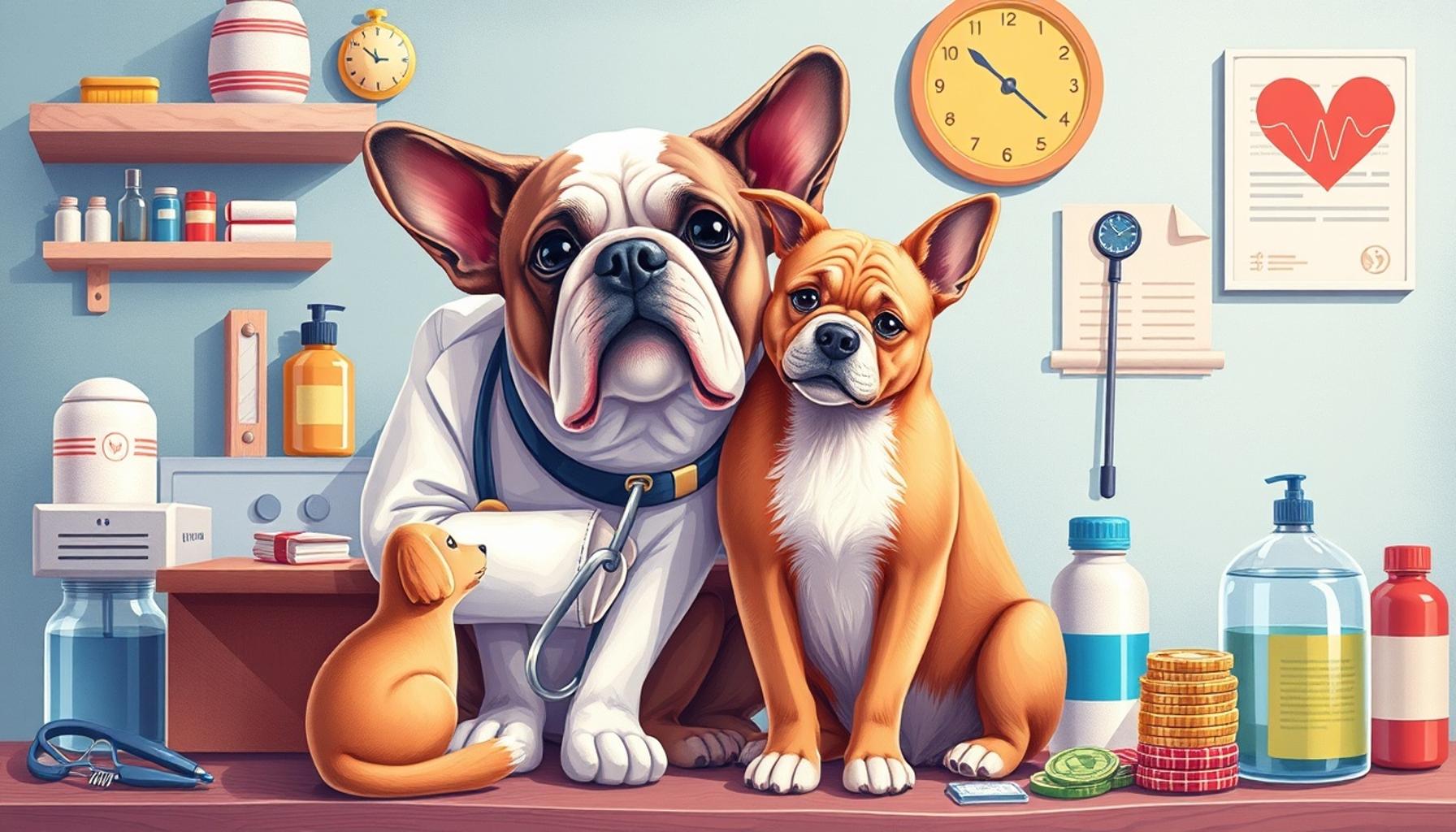
The Importance of Regular Veterinary Check-ups for the Health of Pets

Understanding the Importance of Regular Veterinary Check-Ups
Regular veterinary check-ups are essential for maintaining the health and happiness of your pets. Just as we visit our healthcare providers for preventive care and health evaluations, pets require similar attention to avoid potential health pitfalls. These visits don’t just offer peace of mind; they are pivotal in ensuring that pets lead long, vibrant lives.
Several compelling reasons underscore the importance of regular veterinary check-ups:
- Preventive Care: Routine vaccinations, dental examinations, and strategies for parasite prevention are fundamental aspects of preventive health care. For example, vaccines can protect against rabies, distemper, and Lyme disease, pivotal in keeping your pet safe from serious ailments. Regular dental check-ups can prevent periodontal disease, which affects a staggering 80% of dogs and 70% of cats by age three.
- Early Detection: Certain conditions, such as diabetes, kidney disease, or heart disease, may not exhibit noticeable symptoms until they are in advanced stages. Regular veterinary assessments can identify early warning signs, allowing for timely interventions that can significantly prolong and enhance your pet’s quality of life.
- Professional Advice: Veterinarians are equipped with valuable insights about nutrition, behavioral issues, and specialized pet care practices. They can recommend the most suitable diets tailored to your pet’s age, breed, and health conditions or provide training tips to address behavioral challenges, ensuring both pets and owners enjoy a harmonious relationship.
- Tailored Health Plans: Every pet is unique, and regular visits allow veterinarians to create custom health plans based on a pet’s specific needs. This personalized approach can include vaccination schedules, dietary adjustments, and exercise recommendations tailored to the individual pet’s lifestyle and health status.
Delving into the significance of these factors illuminates the critical need for a proactive perspective when it comes to pet care. According to data from the American Veterinary Medical Association, pets receiving regular veterinary check-ups are statistically less likely to develop chronic health conditions. This preventative mindset not only fosters your furry friend’s health but also enhances the bond you share.
Furthermore, understanding and addressing health challenges early on can prevent costly treatments down the line. For example, a routine blood test can reveal underlying conditions before they become serious issues, potentially saving pet owners from exorbitant veterinary bills and, more importantly, protecting their pets’ well-being.
In conclusion, making the investment in time and resources for regular veterinary check-ups undeniably translates into significant benefits—ensuring the health, happiness, and longevity of your beloved pets. Regular visits to the veterinarian make a tangible difference, reinforcing the idea that a well-cared-for pet is a happier, healthier pet. Prioritizing these check-ups can illuminate the path to a lifetime of companionship and joy.
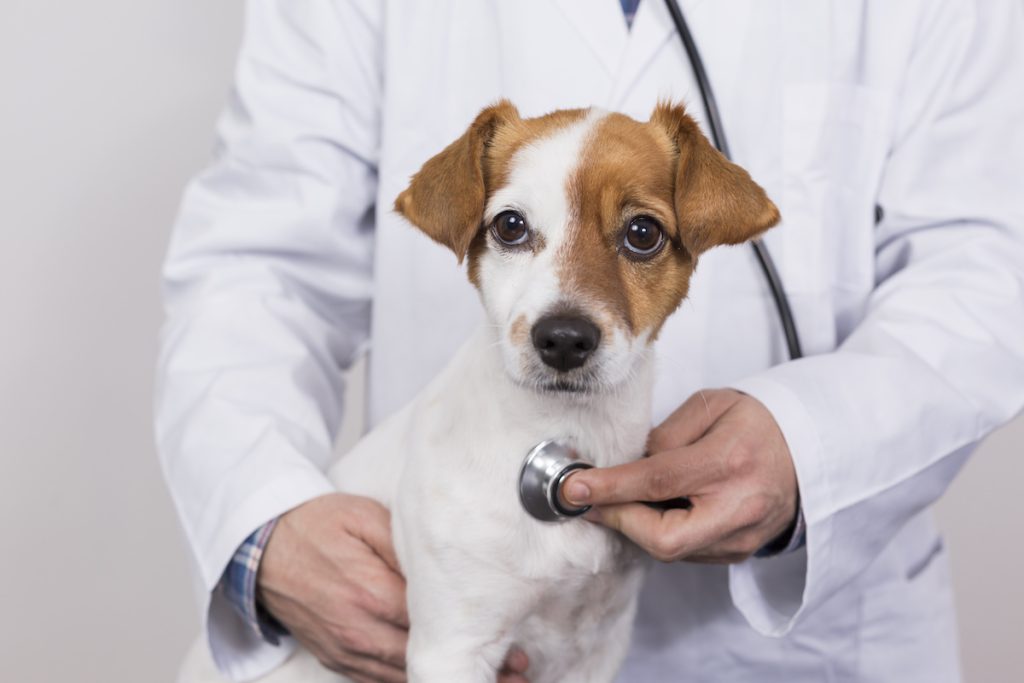
Proactive Care: The Cornerstone of Pet Health
When it comes to the health of our furry companions, the old adage “an ounce of prevention is worth a pound of cure” could not be more relevant. Regular veterinary check-ups serve as a vital foundation for preventive care, effectively safeguarding your pet against a myriad of potential health issues. By integrating routine examinations into your pet care regimen, you can play an active role in their long-term well-being.
Every year, millions of pets across the United States receive routine check-ups that enable veterinarians to conduct comprehensive evaluations of their health status. During these visits, veterinarians can conduct a range of essential procedures, including:
- Vaccinations: Vaccines protect pets from contagious diseases that can be life-threatening. Regular check-ups ensure that vaccinations are administered on time, maintaining immunity levels for conditions like parvovirus, feline leukemia, and rabies.
- Physical Examinations: A thorough physical exam enables the veterinarian to assess your pet’s body condition, check for abnormalities, and monitor vital signs like heart rate and respiratory function. Early detection of issues such as lumps, skin infections, or dental problems can lead to more effective treatments.
- Parasite Prevention: Pets are susceptible to various parasites, including fleas, ticks, and worms. Regular check-ups provide an opportunity for veterinarians to recommend appropriate preventive medications, thus protecting both the pet and the household from potential infestations.
- Nutrition and Weight Management: Obesity is an increasing concern among pets in the U.S., leading to significant health problems such as diabetes and joint disease. Veterinarians can offer tailored dietary advice and develop a diet and exercise plan that meets the specific needs of your pet.
Moreover, the dialogue between pet owners and veterinarians during these visits is invaluable. This proactive approach not only facilitates early interventions but also empowers pet owners with knowledge that enhances their pet care practices. Proper understanding of dietary needs, exercise routines, and behavioral signs can lead to squared-away health management and consequently a happier companion.
The importance of regular veterinary check-ups also extends to identifying breed-specific health concerns that may arise. Certain breeds are predisposed to specific genetic health issues, and veterinarians can offer early screening solutions for these conditions, ultimately facilitating better health outcomes. For instance, large breeds may be at higher risk of hip dysplasia, while smaller breeds might face dental disease earlier due to their compact mouths. By catching these issues early, any necessary interventions can be implemented sooner rather than later.
Overall, prioritizing regular check-ups goes beyond mere compliance; it fosters a strong partnership between pet owners and veterinary professionals aimed at a common goal—the health and happiness of beloved pets. As pet parents, the responsibility rests on our shoulders to ensure that our furry friends lead fulfilling and vibrant lives full of joy.
Regular veterinary check-ups are a crucial aspect of maintaining the overall health and well-being of your pets. Many pet owners may underestimate the importance of these check-ups, often waiting until their animal shows signs of illness before seeking professional help. However, regular visits to the veterinarian can prevent health issues before they develop and contribute to early detection of potential diseases.During these check-ups, veterinarians are able to conduct thorough physical examinations that help assess your pet’s health status. This includes checking the heart, lungs, and other vital organs, along with their weight, coat condition, and dental health. Such assessments are essential for identifying changes that may indicate underlying health problems.Additionally, regular veterinary visits allow for necessary vaccinations that protect pets from dangerous diseases. Vaccines not only safeguard individual pets but also contribute to the broader community health of pets through herd immunity. Furthermore, veterinarians can provide guidance on diet, exercise, and general care, ensuring that pet owners are well-informed and equipped to give their furry companions the best life possible.Routine check-ups also play a vital role in monitoring pets who are older or have pre-existing conditions. These pets often require more frequent attention and tailored treatment plans to manage their health. With regular vet visits, any adjustments in medication or therapy can be made promptly, enhancing quality of life and longevity.Finally, employing a proactive approach with regular veterinary care not only benefits the physical health of pets but also strengthens the bond between pets and their owners. Knowing that you are taking steps to ensure your pet’s well-being fosters a sense of responsibility and nurturing that is invaluable in the human-animal relationship. By prioritizing regular veterinary check-ups, pet owners can contribute to a happier, healthier life for their beloved companions.
Identifying and Managing Health Issues Early
One of the most significant benefits of regular veterinary check-ups is the ability to identify and manage health issues early. Many diseases exhibit subtle signs during their initial stages, making early detection crucial for effective treatment. For instance, conditions such as kidney disease, diabetes, and certain cancers may begin with minimal symptoms that can easily go unnoticed by pet owners. During routine visits, veterinarians can conduct blood tests and other diagnostic procedures to uncover underlying problems before they escalate.
The role of diagnostics in veterinary medicine cannot be overstated. With advancements in veterinary technology, tools such as ultrasound, digital radiography, and blood analysis provide veterinarians with an efficient means of assessing a pet’s health comprehensively. Research shows that pets receiving regular check-ups have a lower likelihood of developing chronic illnesses. A study published by the American Animal Hospital Association revealed that pets who visit the vet at least once a year are 40% less susceptible to serious health complications.
Behavioral Insights: A Key Ingredient for Pet Care
Another critical aspect of regular veterinary check-ups is the opportunity to discuss pet behavior. Whether a cat is becoming increasingly withdrawn or a dog shows sudden aggression, these behavioral changes can be indicative of health concerns. Vets can evaluate behavioral patterns and suggest alterations or therapies that promote emotional and mental well-being. For example, anxiety may arise due to physical ailments or changes in the environment, and by identifying the root causes, pet owners can implement strategies that alleviate stress.
Dental Health: A Vital Component of Overall Wellness
Often overlooked, dental health plays a fundamental role in a pet’s overall health. Regular check-ups allow veterinarians to assess oral hygiene, clean teeth, and identify dental diseases such as periodontal disease, which affects a staggering 80% of dogs and 70% of cats by the age of three according to the American Veterinary Dental Society. Neglecting dental care can lead to severe complications, including heart disease and kidney problems. Preventative dental care during check-ups not only enhances the quality of life for pets but also significantly reduces future veterinary costs associated with responding to untreated conditions.
The Forgotten Benefits of Spay and Neuter Procedures
Routine veterinary check-ups also present the perfect opportunity to discuss the long-term advantages of spaying and neutering pets. These procedures have become a standard recommendation due to their numerous health benefits; spaying females can significantly reduce the risk of breast cancer, while neutering males can lower the incidence of testicular cancer. Moreover, spayed and neutered pets tend to exhibit more balanced behavior, reducing unwanted acts such as aggressive tendencies and roaming. As the ASPCA highlights, spaying and neutering not only promotes health benefits for individual animals but also contributes to the larger issue of pet overpopulation.
In the broader picture, regular veterinary visits enhance our understanding of pet-related community health issues. The presence of communicable diseases, for example, can alert veterinarians to potential outbreaks that could impact both pets and their human companions. Engaging in check-ups provides an opportunity for veterinarians to educate pet owners on emerging health concerns, thereby fostering a well-informed community.
In essence, regular veterinary check-ups are indispensable for maintaining not only the health of pets but also for nurturing a connected and educated community dedicated to responsible pet ownership. By recognizing the multitude of benefits stemming from these routine visits, pet owners can take proactive steps to ensure their beloved companions lead long, healthy lives.
Conclusion: Your Pet’s Health Depends on You
The significance of regular veterinary check-ups for the health of our pets cannot be overstated. These routine appointments are not merely a formality; they are vital to ensuring the long-term well-being and vitality of our beloved companions. By committing to regular visits, pet owners take a proactive stance in identifying and addressing health issues early, which can vastly improve treatment outcomes and quality of life for pets.
Moreover, these check-ups offer opportunities to delve into other crucial aspects of pet care, from understanding behavioral changes to ensuring optimal dental health. Engaging in discussions with veterinarians about preventive care, nutrition, and behavioral insights can foster a holistic approach to maintaining your pet’s health. The positive implications extend beyond individual pets, as community health is also enhanced through the awareness of emerging health concerns and the promotion of responsible pet citizenship.
As studies highlight, pets that receive routine veterinary care are less likely to develop chronic illnesses and are overall healthier. This not only saves money in the long run but also allows pets to lead happier, more fulfilling lives. With an estimated 70% of pets needing some form of dental care by the age of three, the importance of these regular visits is further magnified.
Ultimately, prioritizing regular veterinary check-ups is not just a recommendation; it is a responsibility that pet owners owe to their furry family members. By making these visits a regular part of your pet care routine, you contribute to their long-lasting health and well-being, ensuring they remain as vibrant and joyful as they deserve to be.