
Hypoallergenic Dog Breeds: Myths and Truths

Understanding Hypoallergenic Dog Breeds
The search for a four-legged friend can be especially challenging for dog enthusiasts who suffer from allergies. The label hypoallergenic presents a glimmer of hope, but it also invites numerous questions and misunderstandings. What does it genuinely signify? Are there specific breeds that are easier on sensitive allergies?
It is crucial to clarify that while no dog breed is entirely free from allergens, some breeds have garnered attention for their reduced allergenic properties. The following features typically characterize hypoallergenic dog breeds:
- Low-Shedding Coats: Breeds like the Poodle and Bichon Frise often have hair rather than fur, which tends to shed less. By minimizing the amount of hair floating in the air, these breeds can create a more manageable environment for allergy sufferers.
- Less Dander: Certain breeds are known to produce fewer skin flakes, a common major allergen. The Maltese and the Schnauzer are examples of breeds that are often cited for producing less dander.
- Smaller Saliva Production: Some dogs, such as the Basenji, salivate less than others. Since saliva can carry allergens, breeds that generate less salivation may pose a lower risk to sensitive individuals, reducing the allergens spread through licking.
Despite these characteristics, individual reactions can vary significantly. What works for one person might not work for another. It’s crucial for prospective owners to spend time with a breed before deciding, as allergies can trigger unexpectedly not just from dogs themselves but also from various environmental factors.
Some popular hypoallergenic breeds in the United States include:
- Poodle: Available in standard, miniature, and toy sizes, Poodles are not just intelligent and trainable; their curly hair traps dander and hair, preventing it from floating around the house.
- Shih Tzu: With a long, luxurious coat that requires regular grooming, Shih Tzus can be a great companion for those with allergies, especially when well cared for.
- Bichon Frise: Known for their merry disposition and soft coat, they require consistent grooming to maintain their coat and reduce allergens.
- Portuguese Water Dog: These energetic dogs are known for their friendly nature and thick, curly coat that limits shedding and dander production.
In this article, we will unpack the realities behind these breeds, exploring both credible research and anecdotal experiences. By demystifying the term hypoallergenic, we aim to empower you with the knowledge needed to make an informed decision about welcoming a canine companion into your life. Are these breeds the answer to your allergy concerns, or is there more to consider in this complex equation? Join us as we delve deeper into the myths and truths surrounding hypoallergenic dogs.
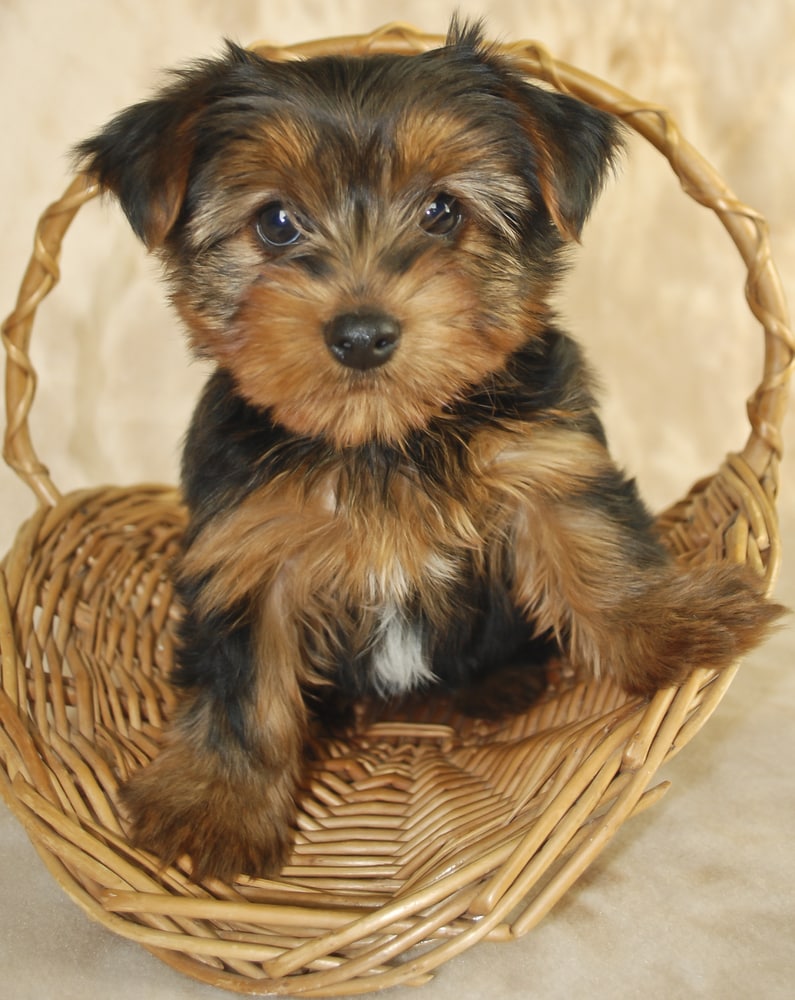
Debunking Myths Surrounding Hypoallergenic Dogs
When it comes to hypoallergenic dog breeds, the term itself often sparks a debate. Many prospective pet owners harbor a common misconception: that hypoallergenic dogs do not provoke allergic reactions at all. This is simply not true. Allergies are complex and vary from person to person. While certain breeds may be less likely to trigger severe allergic responses due to their physical characteristics, no dog breed is immune to generating allergens that may affect those with sensitivities.
To peel back the layers of this misconception, it is vital to understand where dog allergies originate. Allergic reactions are primarily triggered by proteins found in dog saliva, urine, and skin dander. Therefore, dogs that shed less or produce less dander are often sought after by allergy sufferers. However, even a low-shedding dog can still produce enough allergens to provoke a reaction in sensitive individuals. This highlights the importance of conduct beyond breed alone.
The Role of Grooming in Allergen Control
One of the most commonly overlooked aspects of managing allergies related to hypoallergenic dog breeds is grooming. Regular grooming not only helps maintain the dog’s coat but can also significantly reduce allergens in the home environment. Here are some grooming practices to consider:
- Frequent Baths: Bathing your dog regularly can help minimize dander and dirt buildup, which contribute to allergens in the home.
- Brushing: Frequent brushing, ideally outdoors, can help to remove loose hair and dander before they have a chance to settle inside the home.
- Cleaning the Environment: Regularly vacuuming your home and using air purifiers can drastically reduce airborne allergens, making it easier for allergy sufferers to coexist with their furry friends.
- Coat Care: Certain breeds require specialized coat care to ensure healthy skin and fur, which can minimize allergen production.
In addition to grooming, the environmental context plays a significant role in managing allergies. Homes filled with dust, mold, and other allergens can compound the reactions to dog-related proteins. Creating a clean living environment may significantly mitigate allergy symptoms, and can make a difference even when living with a hypoallergenic breed.
It’s equally important to understand that allergy sufferers may react differently based on a dog’s age, health, and even diet. Puppies can be particularly challenging, as their immune systems are still developing, and they may produce varying levels of allergens. Therefore, evaluating the individual dog’s factors alongside breed characteristics will lead to the most informed choice.
By stripping back the myths surrounding hypoallergenic dog breeds, prospective owners can approach their search with clarity and practical expectations. The journey to finding the perfect canine companion will benefit from ongoing research into both breed characteristics and individual reactions, enabling allergy sufferers to strike the right balance between companionship and comfort.
| Myth | Truth |
|---|---|
| All hypoallergenic breeds are completely non-allergenic. | No breed is entirely free from allergens; hypoallergenic breeds are known to produce fewer allergies. |
| Hypoallergenic dogs require less grooming. | Many hypoallergenic breeds have coats that require regular grooming to minimize shedding and dander. |
| Choosing a hypoallergenic dog guarantees no allergic reactions. | Individuals vary in their sensitivity, and reactions may still occur despite breed choices. |
The allure of hypoallergenic dog breeds lies in their potential for reducing allergic reactions associated with pet ownership. However, understanding the nuances of these breeds is crucial. Each breed may influence allergen exposure differently, and individual experiences may vary based on a person’s unique sensitivities.It is intriguing to note that breeds such as the Poodle and Bichon Frise are touted as great options for allergy sufferers due to their lower shedding. Yet, it is important to highlight that the degree of hypoallergenicity can differ not just between breeds, but among individual dogs within the same breed. This makes it essential for potential dog owners to spend time with dogs before making a decision to gauge their own allergic reactions.Moreover, educating oneself on the grooming requirements of these breeds can prove beneficial. Regular bathing and grooming can significantly decrease the buildup of allergens in the home environment. Regular cleaning practices and dog hygiene are pivotal in managing and reducing potential allergen exposure.In summary, while the concept of hypoallergenic dogs is promising, it is essential for prospective dog owners to conduct thorough research and engage in personal interactions with these breeds to truly assess compatibility with their specific allergenic needs.
Understanding Dog Breeds and Their Allergen Production
As we delve deeper into the complexities of hypoallergenic dog breeds, it’s crucial to examine specific breeds often touted as ‘safe’ for allergy sufferers. Breeds like the Poodle, Bichon Frise, and Maltese are frequently mentioned in discussions about hypoallergenic dogs. However, their perceived hypoallergenicity is not a one-size-fits-all solution. Each breed carries unique traits that may impact individual reactions and allergen levels.
The Poodle, available in toy, miniature, and standard sizes, is known for its curly coat, which helps trap dander and hair rather than releasing it into the environment. However, even a Poodle requires regular grooming to maintain its coat and minimize allergen presence. On the other hand, the Bichon Frise is renowned for its cheerful disposition and low-shedding coat but can still produce significant amounts of saliva allergens, particularly when excited or anxious. Ultimately, while these breeds may be less likely to induce severe allergies in some, individuals must still consider their unique chemical sensitivity.
Factors Influencing Allergic Reactions
Several factors influence how an individual may react to dogs, even those categorized as hypoallergenic. Genetic predisposition plays a significant role; individuals with stronger genetic markers for allergies may find it challenging to tolerate any dog breed. Recognizing this can shift the focus from breed alone to personal tolerance levels. Additionally, environmental aspects, including humidity and temperature, can affect allergen production; for instance, increased warmth can lead to higher dander shedding in dogs.
Moreover, the methodology employed to assess hypoallergenic characteristics also varies across studies. Often, these assessments rely on protein levels in saliva, urine, or fur samples, but such studies may not account for many dynamic elements, such as the dog’s behavioral changes, stress levels, and health conditions. These stress-induced changes can further contribute to allergen levels, complicating the narrative around hypoallergenic breeds.
Choosing the Right Hypoallergenic Dog for You
For prospective dog owners grappling with allergies, selecting a breed requires careful consideration and potentially some trial and error. Visiting shelters or breeders to spend time with specific breeds can provide insight into individual reactions. It may also be worthwhile to invest in hypoallergenic dog products, such as special shampoos designed to minimize allergens, or to consult with veterinary professionals to gain a deeper understanding of a specific dog’s health needs and temperament prior to adoption.
Furthermore, educational resources and support groups for allergy sufferers can offer valuable advice on managing interactions with dogs. Sharing experiences with others can unveil successful strategies, from best grooming practices to household adaptations that allow for a happier coexistence with hypoallergenic companions.
Ultimately, the journey to find the right hypoallergenic dog breed should emphasize an informed approach that marries pet characteristics with individual comfort levels. This nuanced understanding leads to better pet-owner dynamics and fosters long-lasting relationships, regardless of allergy sensitivities.
Conclusion
In summary, navigating the world of hypoallergenic dog breeds reveals a landscape filled with myths and truths that necessitate careful exploration. Although breeds like the Poodle, Bichon Frise, and Maltese may offer respite for some allergy sufferers, it is essential to recognize that “hypoallergenic” does not equate to “allergy-proof.” Individual reactions can vary, influenced by genetic predispositions, environmental factors, and specific canine behaviors.
As potential dog owners consider adopting a hypoallergenic breed, the importance of personal trials cannot be overstated. Spending time with a breed before commitment allows for a better understanding of individual sensitivities. Moreover, investing in appropriate grooming methods and discussing options with a veterinarian can further lessen allergen exposure, fostering a harmonious home environment.
In addition to breed characteristics, leveraging educational resources and community support can equip allergy sufferers with the knowledge needed to adapt their lifestyles to accommodate their new furry friends. From tailored grooming routines to optimizing household cleanliness, these strategies unveil pathways to successful coexistence with hypoallergenic companions.
Ultimately, the journey to find the right dog should involve a well-rounded perspective that blends scientific insight with individual circumstances. Embracing this approach not only enhances pet-owner dynamics but also cultivates enriching relationships, proving that it is indeed possible to share a home with a canine companion, even amidst allergies.