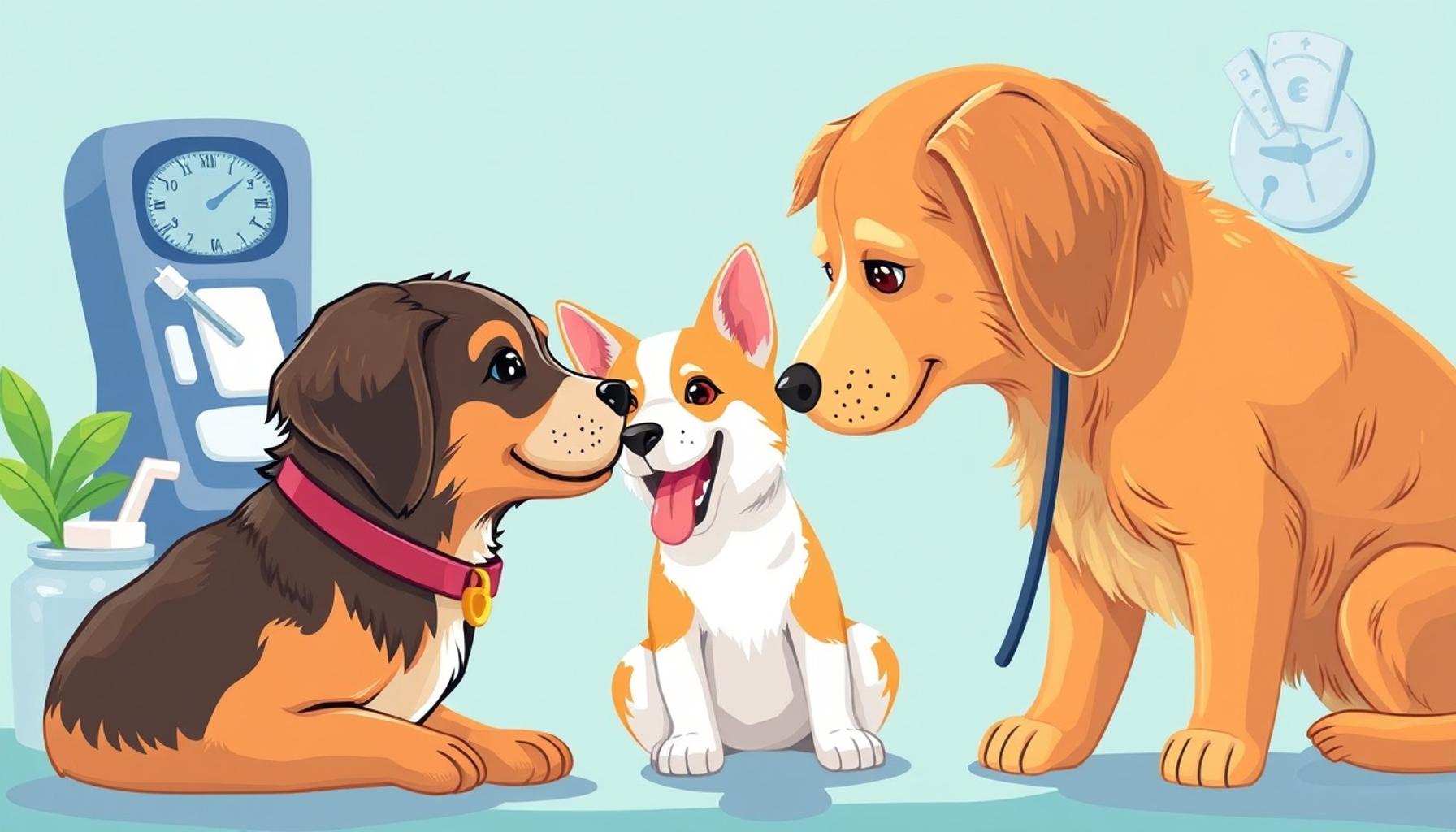
The Importance of Communication with the Veterinarian: Questions Every Pet Owner Should Ask

Understanding Your Pet’s Health Through Communication
Effective communication with your veterinarian is crucial for your pet’s well-being. It ensures that you gain insights into health concerns, preventive care, and overall well-being. When you ask the right questions, you can make informed decisions that lead to a happier, healthier pet.
Why Communication Matters
Building a strong relationship with your veterinarian fosters trust and transparency. Here are some reasons why it’s important:
- Accurate Diagnosis: Clear communication helps the vet understand your pet’s symptoms. For instance, if your dog has been lethargic, describing the specific changes in behavior can help the veterinarian determine whether this is a symptom of a larger issue, such as an underlying infection or a simple case of boredom.
- Tailored Care: Questions allow you to discuss specific needs and preferences based on your pet’s lifestyle. A cat living in a bustling household may have different health needs compared to one that lives alone. Understanding your pet’s environment enables your vet to recommend personalized care that suits your furry friend.
- Preventive Health: Engaging with your vet about preventive measures can save you costs and ensure longevity. Discussing preventative treatments, such as dental cleanings and flea or tick prevention, can significantly impact your pet’s quality of life. For example, regular dental care can prevent serious health issues like heart disease that stem from poor oral hygiene.
The right questions can illuminate many aspects of your pet’s health. From understanding vaccinations to dietary needs, exploring these topics can empower you as a pet owner. By staying informed, you will be better equipped to recognize when your pet may need medical attention or lifestyle adjustments.
Key Questions to Consider
Before leaving the veterinarian’s office, consider asking:
- What are the warning signs I should look for? Knowing symptoms of common illnesses, such as vomiting or changes in appetite, can help you catch problems early.
- How often should my pet have check-ups? Regular examinations are crucial; many experts recommend annual check-ups for healthy pets and bi-annual visits for older pets.
- What vaccinations does my pet need and why? Vaccines are crucial to prevent serious diseases. Asking about specific needs can guide you in keeping your pet properly protected as per their lifestyle and risks.
By engaging in open dialogue, you not only enhance your pet’s health outcomes but also strengthen the bond you share. Understanding your vet’s recommendations can lead you to investigate further into best practices for your pet’s care. Whether it’s exploring dietary options, discussing behavioral concerns, or learning about exercise requirements, proactive communication is invaluable. In the long run, this knowledge transforms you into a more informed advocate for your pet’s health and happiness.
Key Components of Effective Communication
One of the significant aspects of communication with your veterinarian lies in understanding the nuances of your pet’s health situation. This involves not just what is being said, but how well you can convey your observations and concerns. To facilitate effective communication, you may want to consider several key components:
1. Active Listening
When engaging with your veterinarian, active listening is vital. This means concentrating fully on what the veterinarian is saying rather than just passively hearing the information. Keep a notebook or a digital device handy to jot down important points or follow-up questions. This practice not only shows your commitment to your pet’s health but also helps in retaining crucial details regarding diagnoses and recommendations.
2. Sharing Detailed Observations
Your observations about your pet’s behaviors and habits can provide invaluable context for your veterinarian. When discussing a health issue, consider sharing:
- Specific changes in behavior: Have you noticed increased aggression, hiding, or excessive thirst? Be as detailed as possible.
- Environmental factors: Changes in your pet’s home environment, including new pets, household stressors, or shifts in their daily routine.
- Dietary habits: Any recent changes in food or treats that might correlate with health issues.
Such detailed input enables your veterinarian to piece together a more accurate picture of your pet’s health and can lead to quicker diagnoses and effective treatment plans.
3. Understanding Medical Terminology
Veterinary medicine can sometimes feel overwhelming due to its complex terminology. Don’t hesitate to ask your veterinarian to clarify terms and treatment recommendations. For instance, if a vet mentions a condition like hip dysplasia, ask them to explain its implications for your pet and what steps you should take moving forward. Clarifying complex conditions can bolster your understanding and confidence in following their advice.
4. Inquiring About Follow-up Care
Once you have a treatment plan in place, knowing what to expect can ease your mind and ensure that you’re taking the appropriate steps at home. Ask questions like:
- What should I monitor during treatment? This can include signs of improvement or potential side effects from medications.
- Are there signs that would require immediate attention? Understanding the urgency helps you recognize when your pet might need prompt medical evaluation.
By actively communicating with your veterinarian, you will not only gain clarity on your pet’s health but also become a more effective partner in their care. The back-and-forth nature of communication builds a solid foundation for long-term pet wellness. Remember, the more you know, the better you can support your furry family member through their health journeys.
The Importance of Communication with the Veterinarian
Effective communication with your veterinarian is paramount for ensuring the well-being of your pet. It not only enhances the relationship between pet owners and veterinary professionals but also plays a crucial role in the overall health management of your furry companions. Here are some compelling reasons why engaging in open dialogue with your veterinarian is essential.Firstly, asking the right questions can reveal critical insights into your pet’s health. Many pet owners may not realize that certain behaviors or changes in appetite can signal underlying health issues. By discussing these observations with your veterinarian, you can receive tailored recommendations and proactive healthcare strategies. For instance, it’s essential to inquire about dietary needs, vaccination schedules, and signs of common health problems specific to your pet’s breed.Secondly, communication often leads to improved treatment outcomes. When pet owners actively participate in conversations regarding medication instructions, potential side effects, and follow-up care, they are more likely to adhere to treatment regimens. This engagement fosters a sense of responsibility and partnership in managing your pet’s health, which ultimately benefits the animal’s recovery and overall quality of life.Additionally, discussing various treatment options and costs with your veterinarian can alleviate financial stress. Pet care can be expensive, and understanding the financial implications of different treatments allows for informed decisions. Explore the possibility of payment plans, or ask about alternative treatments that may be more affordable.It’s equally important to understand your veterinarian’s philosophy regarding animal care. Each veterinarian has a unique approach, and aligning your perspectives can enhance your comfort level. Knowing whether they prioritize preventive care or are more reactionary in their treatments can guide you in selecting the right veterinarian for your pet’s needs.Lastly, fostering a good communication channel encourages regular veterinary visits. Many pet owners may put off check-ups and vaccinations due to anxiety about the encounter or financial burden. However, knowing what to expect during these visits can mitigate anxiety and empower pet owners to be advocates for their pets’ health.By preparing a list of questions to ask during your veterinarian appointment, you set the stage for effective communication. Questions may include:
- What are the best nutrition options for my pet at their current life stage?
- What vaccinations does my pet need this year?
- Are there any lifestyle changes to improve my pet’s health?
Engaging with your vet in this manner not only benefits your pet but can also enhance your confidence as a pet owner. Well-informed pet owners make the best caregivers, and through effective communication, you enable yourself to become an advocate for your beloved furry family member.
| Category | Advantages |
|---|---|
| Informed Decision-Making | Questions shed light on pet’s health, fostering proactive care. |
| Better Treatment Results | Clear instructions and open discussions improve adherence to treatments. |
| Financial Clarity | Understanding costs allows for informed financial planning for pet care. |
| Stronger Veterinarian Relationship | Regular discussions enhance comfort and trust in veterinary care. |
Enhancing Your Pet’s Health Through Inquiry
Effective communication with your veterinarian is a two-way street that not only involves listening but also entails asking the right questions. Engaging proactively in discussions about your pet’s health can uncover valuable insights, align strategies, and ultimately enhance your pet’s wellbeing. Here are several crucial inquiries you should consider during your next veterinary appointment:
1. What Are the Risks and Benefits of Recommended Treatments?
Understanding the risks and benefits associated with a treatment plan is essential for informed decision-making. When a veterinarian proposes a medication or procedure, it may come with potential side effects or complications that require careful consideration. For instance, if your vet suggests a surgical procedure, ask:
- What are the expected outcomes of this surgery? Knowing the prognosis can help you weigh the necessity of the procedure.
- Are there alternative treatments? Sometimes, there are less invasive options available that may achieve similar results with lower risks.
This type of inquiry not only informs you but also encourages a reflective discussion with your vet, fostering a partnership focused on your pet’s health instead of a one-sided decision-making process.
2. How Can I Improve My Pet’s Quality of Life?
Every pet owner wants their furry friend to live a happy, fulfilling life. While some health challenges are unavoidable, many options exist that can enhance your pet’s quality of life. This can span from dietary adjustments to changes in exercise routines. Questions to consider include:
- Are there specific diets that I should follow for my pet’s condition? Nutrition plays a crucial role in overall health.
- What physical activities or mental stimulation should I provide? Keeping pets engaged is vital for their emotional and physical wellbeing.
Taking the initiative to explore ways to enhance your pet’s quality of life can facilitate a more proactive approach to its overall care.
3. What Preventative Measures Should I Implement?
Preventative care is often touted as one of the cornerstones of good veterinary practice. Pet owners should seize the opportunity to inquire about ways to prevent health issues before they arise. Ensure that you cover topics such as:
- Which vaccinations are necessary and when should they be administered? Stay informed about the vaccination schedule tailored to your pet’s age and lifestyle.
- What parasite prevention strategies should I adopt? Knowing the best practices for fleas, ticks, and heartworm can save your pet from significant health complications.
Asking these questions reinforces your responsibility in caring for your pet and allows your veterinarian to offer tailored advice suited to your pet’s unique needs.
4. When Should I Schedule Regular Check-ups?
Routine veterinary visits are a crucial aspect of monitoring your pet’s health. By inquiring about the frequency of visits based on your pet’s age and health status, you can ensure that you are staying proactive in their healthcare. Common questions include:
- How often should I bring my pet in for check-ups? This varies depending on factors like age, breed, and health history.
- What signs should I look out for between visits? Understanding the warning signs of issues can prompt timely interventions.
Ultimately, these inquiries help build a comprehensive understanding of your pet’s health while strengthening the relationship you have with your veterinarian.
Empowering Pet Owners Through Effective Veterinary Communication
In conclusion, the significance of communication with your veterinarian cannot be overstated. As a pet owner, actively engaging in a dialogue about your furry friend’s health is paramount for making informed decisions that directly impact their wellbeing. The questions you’ve learned to ask—ranging from understanding treatment risks to seeking advice on enhancing your pet’s quality of life—form the foundation of a strong partnership with your vet. It turns a typical appointment into a collaborative effort to keep your pet healthy and happy.
Moreover, being aware of preventative measures, recognizing warning signs, and understanding the importance of regular check-ups can drastically reduce health issues in the long run. By asking the right questions about vaccinations and care routines, you can confidently navigate your pet’s health journey informed by expert guidance.
Ultimately, fostering this communicative relationship can transform your experience at the veterinarian from a mere transactional visit to a proactive plan for your pet’s future. Remember, your veterinarian is an invaluable resource dedicated to ensuring that your beloved companions lead fulfilling lives. Thus, never hesitate to be inquisitive, seek clarity, and advocate for your pet’s health. This proactive approach not only empowers you as a pet owner but also enhances the overall quality of care provided. So, the next time you schedule a visit, keep these essential questions in mind and enable the best possible outcomes for your four-legged family members.