Natural Foods vs. Pet Food: What is Best for Your Pet?
The Growing Importance of Pet Nutrition
As pet owners increasingly prioritize the wellbeing of their furry friends, the dialogue surrounding pet nutrition has expanded beyond simple feeding habits. With changing societal norms around health and wellness, the choices surrounding what goes into our pets’ bowls have become a significant concern. From dogs to cats and even more exotic pets like rabbits and guinea pigs, understanding the nutritional requirements of different species is crucial for fostering long, healthy lives.
When discussing dietary options for pets, two primary categories stand out: Natural Foods and Commercial Pet Food. The distinction between these options can affect not just physical health but also aspects like energy levels, coat quality, and long-term vitality.
Natural Foods
Natural Foods refer to diets composed of whole, unprocessed ingredients. These often include fresh meats, fruits, vegetables, and grains, providing a holistic approach to pet nutrition. Many pet owners choose to prepare homemade meals for their pets, believing that they can better control the quality and nutritional content. For example, feeding a dog a mix of lean ground turkey, sweet potatoes, and peas can provide essential proteins, carbohydrates, and vitamins that are tailored to their specific needs. However, this approach may require thorough research to ensure it includes all necessary vitamins and minerals.
Commercial Pet Food
On the other end of the spectrum, Commercial Pet Food presents a more convenient option, often featuring a variety of specialized formulations aimed at specific dietary needs. For instance, many brands offer diets for weight management, skin sensitivities, or even age-specific formulas targeting puppies or senior dogs. Commercial foods undergo rigorous testing to meet the standards set by organizations like the Association of American Feed Control Officials (AAFCO), which helps assure consumers of their nutritional adequacy. However, it’s essential to also scrutinize the ingredient list, as some brands may include fillers and by-products.
The Decision-Making Process
With nearly 70% of households in the United States owning a pet, the implications of food choices reach beyond individual households to influence the broader pet industry and veterinary practices. Pet owners are tasked with evaluating not just the dietary content but also the lifestyle of their pets. For example, an active dog may thrive on a high-protein diet, while an older cat might benefit from softer food that supports digestion.
Understanding these food choices can be overwhelming, but it’s worth diving into to discover what truly meets your pet’s needs. It’s advisable for pet owners to consult with veterinarians and consider each pet’s unique health requirements, activity level, and any pre-existing conditions. By exploring various options, one can ensure that their pet enjoys not just a longer life, but a more vibrant and fulfilling one. Are you prepared to make informed choices for your cherished companion?
Exploring the Benefits of Natural Foods
Many pet owners are becoming advocates for natural foods, touting them as superior in providing holistic nutrition. The rationale behind this belief is straightforward: whole, unprocessed ingredients tend to be richer in essential nutrients, vitamins, and minerals that pets need for optimal health. When considering a natural diet, it’s important to highlight some key benefits:
- Improved Digestion: Natural foods typically contain high fiber content, which aids in digestion and helps maintain a healthy gut. Ingredients such as sweet potatoes and peas can significantly contribute to digestive health.
- Enhanced Energy Levels: Pet owners often report that transitioning to a natural diet results in higher energy levels and improved vitality. This is particularly noticeable in active breeds that require greater amounts of high-quality protein.
- Quality Control: Preparing homemade meals allows pet owners to have complete control over the ingredients, reducing the risk of contaminants commonly found in some commercial pet foods. This proactive approach to nutrition can alleviate concerns about allergens or preservatives.
However, the transition to a natural diet is not without its challenges. DIY pet food can require detailed knowledge of nutritional needs and preparation methods. A poorly balanced homemade diet could lead to deficiencies or excesses that might harm your pet in the long run. According to the American Animal Hospital Association, improperly formulated home-cooked diets can ultimately lead to nutritional imbalances that may cause health issues.
Commercial Pet Food: A Convenient Alternative
Commercial pet food offers a convenient solution for busy pet owners who seek reliable nutrition without the time commitment of meal preparation. With a multitude of brands available, pet food companies have developed formulas tailored to various life stages, dietary preferences, and health conditions. Some benefits of commercial pet food include:
- Specialized Nutritional Formulas: Many commercial brands provide specialized recipes that cater to specific health needs, such as grain-free options, limited-ingredient diets for pets with food allergies, or formulas designed for weight management.
- Convenience: For many, the convenience of buying a bag or can of dog food outweighs the benefits of preparing meals at home. The accessibility of various types of commercial pet food makes it easy for owners to ensure their pets receive balanced nutrition.
- Regulatory Standards: Commercial pet food manufacturers often participate in meeting standards set by organizations like the AAFCO. This compliance offers an added layer of assurance regarding the nutritional adequacy of their products.
Nevertheless, not all commercial pet foods are created equal. It’s crucial for pet owners to digest ingredient labels carefully, as some brands may use low-quality fillers, artificial flavors, or by-products that could compromise nutritional value. Understanding these distinctions can empower pet parents to make informed choices, ultimately influencing their pet’s health, energy levels, and overall quality of life.
| Natural Foods | Commercial Pet Food |
|---|---|
| High Nutritional Value | Contains additives and fillers |
| Fresh Ingredients | Mass-produced with preservatives |
| Customizable Diets | Standardized formulas |
| Supports Digestive Health | May cause digestive issues |
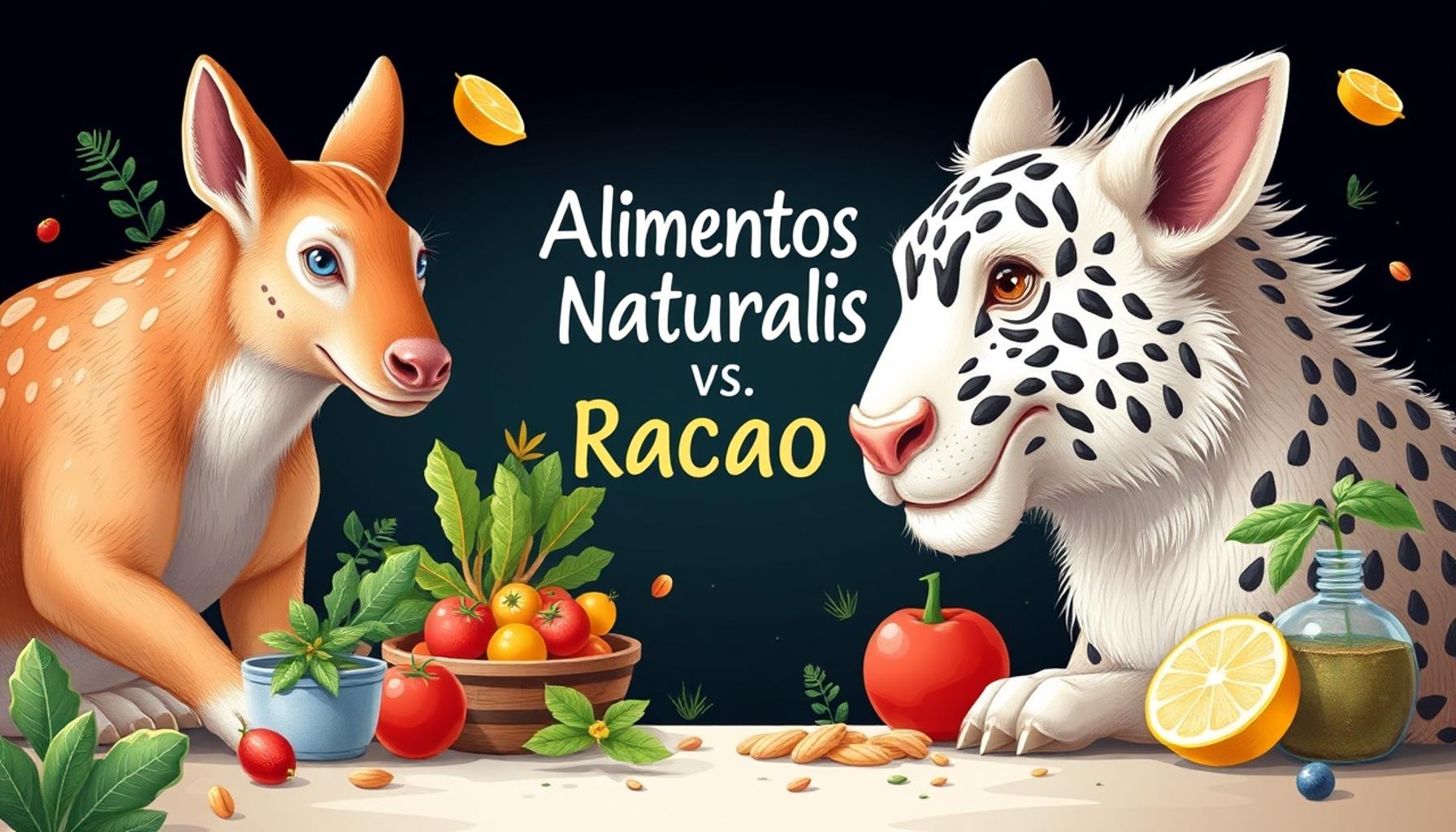
As pet owners ponder over the debate of Natural Foods vs. Pet Food, the nutritional benefits of natural foods often emerge as a compelling argument. Natural foods provide a wealth of nutritional value, ensuring pets receive essential vitamins and minerals necessary for their well-being. In contrast, many commercial pet food brands contain additives and fillers that may not benefit your pet’s health in the long run.Moreover, natural foods are made from fresh ingredients instead of being mass-produced with preservatives, which can impact the quality of the diet. This freshness allows pet owners to craft a diet that meets their pets’ individual needs, taking advantage of the customizable diets that natural feeding provides.Additionally, feeding pets with natural ingredients can dramatically enhance their digestive health, reducing the likelihood of gastrointestinal issues commonly observed with processed pet foods. As you navigate this vital choice for your furry friend, understanding these characteristics could lead you to explore further the remarkable advantages that natural foods can offer over conventional pet food.
Evaluating the Challenges of Natural Foods and Commercial Pet Food
While natural foods shine with their promise of holistic health, the road to incorporating them into your pet’s diet is often riddled with obstacles that can deter even the most dedicated pet owner. For instance, the American Veterinary Medical Association stresses that the unique nutritional requirements of pets, which may differ significantly from human nutritional standards, can complicate the formulation of homemade diets. Each pet has its own specific needs based on size, age, health status, and breed, making a one-size-fits-all approach often ill-advised.
Moreover, the risk of nutritional deficiencies cannot be understated. A study published in the Journal of the American Veterinary Medical Association reveals that many homemade diets fail to provide sufficient levels of essential nutrients like calcium, phosphorus, and certain vitamins. It is essential for pet owners to consult with a veterinary nutritionist who can create a tailored meal plan that meets the specific needs of their furry companions.
The Role of Quality in Commercial Pet Food
On the flip side, commercial pet food does offer the luxury of convenience and often a reliable source of nutrients. However, finding high-quality brands is crucial. The various price points in the market can lead to significant discrepancies in the quality of ingredients. Cheaper brands may include fillers like corn and soy that provide less nutritional value and can lead to unnecessary weight gain.
Pet owners should also be aware of the “by-products” that often appear on labels, which can be misleading. While by-products may sound unappealing, they can sometimes be rich in nutrients, but the quality certainly varies between brands. Selecting high-quality commercial foods that use real meat as a primary ingredient rather than meat meals can help mitigate health issues associated with poor nutrition.
- Transitional Challenges: Switching from one type of food to another can result in digestive upset. Gradually transitioning your pet from commercial to natural foods can help ease the digestive system into accepting new ingredients.
- Price Point Considerations: Natural foods can often carry a higher price tag than commercial pet food. The expense of sourcing high-quality, fresh ingredients can be a barrier for many pet owners.
- Time Commitment: Creating a balanced natural diet entails significant planning and preparation time. From grocery shopping to cooking, many pet owners find DIY meals to be more time-consuming than simply scooping kibble into a bowl.
With the growing emphasis on pet health, the market is responding by introducing premium and natural pet foods that utilize high-quality ingredients. Many brands are now offering convenient options that mimic the composition of home-cooked meals, merging the best aspects of both worlds. Products labeled as “human grade” are on the rise, catering to the increasing consumer demand for transparency and quality in pet nutrition.
Ultimately, navigating the waters of pet nutrition requires careful consideration and research. Whether opting for natural foods or sticking with reputable commercial brands, it is essential for pet owners to stay informed and vigilant about their pets’ dietary needs.
Finding the Right Balance for Your Pet’s Diet
In the ongoing debate of Natural Foods vs. Commercial Pet Food, the ultimate choice hinges on a careful evaluation of your pet’s unique needs and lifestyle. As we have seen, while natural diets can provide a wealth of vitamins and minerals from whole foods, they often require commitment and a sound understanding of nutritional balance. Pets have distinct dietary requirements that necessitate expert guidance to ensure their health and well-being.
On the other hand, the convenience and accessibility of high-quality commercial pet foods can be appealing. With a range of reputable brands prioritizing transparent, nutritious ingredients, many pet owners find peace of mind in supplying their pets with balanced meals designed by professionals. However, the allure of lower-priced options often leads to the inclusion of fillers and by-products that might compromise the nutritional value.
As pet owners, it is essential to remain informed about the options available. Keep an eye out for innovative products such as those tagged as “human grade” or those mimicking home-cooked meals, which represent a bridge between natural diets and commercial convenience. By prioritizing quality and consulting professionals when necessary, you can make an informed decision that aligns with your pet’s health goals and your lifestyle.
Ultimately, the best approach may not be an absolute commitment to one diet over another, but a well-thought-out combination that meets the specific needs of your furry friend. Your dedication to understanding and providing the best nutrition for your pet is the first step in ensuring a happy and healthy life together.