
Natural Feeding: Benefits and Challenges in Pet Diets
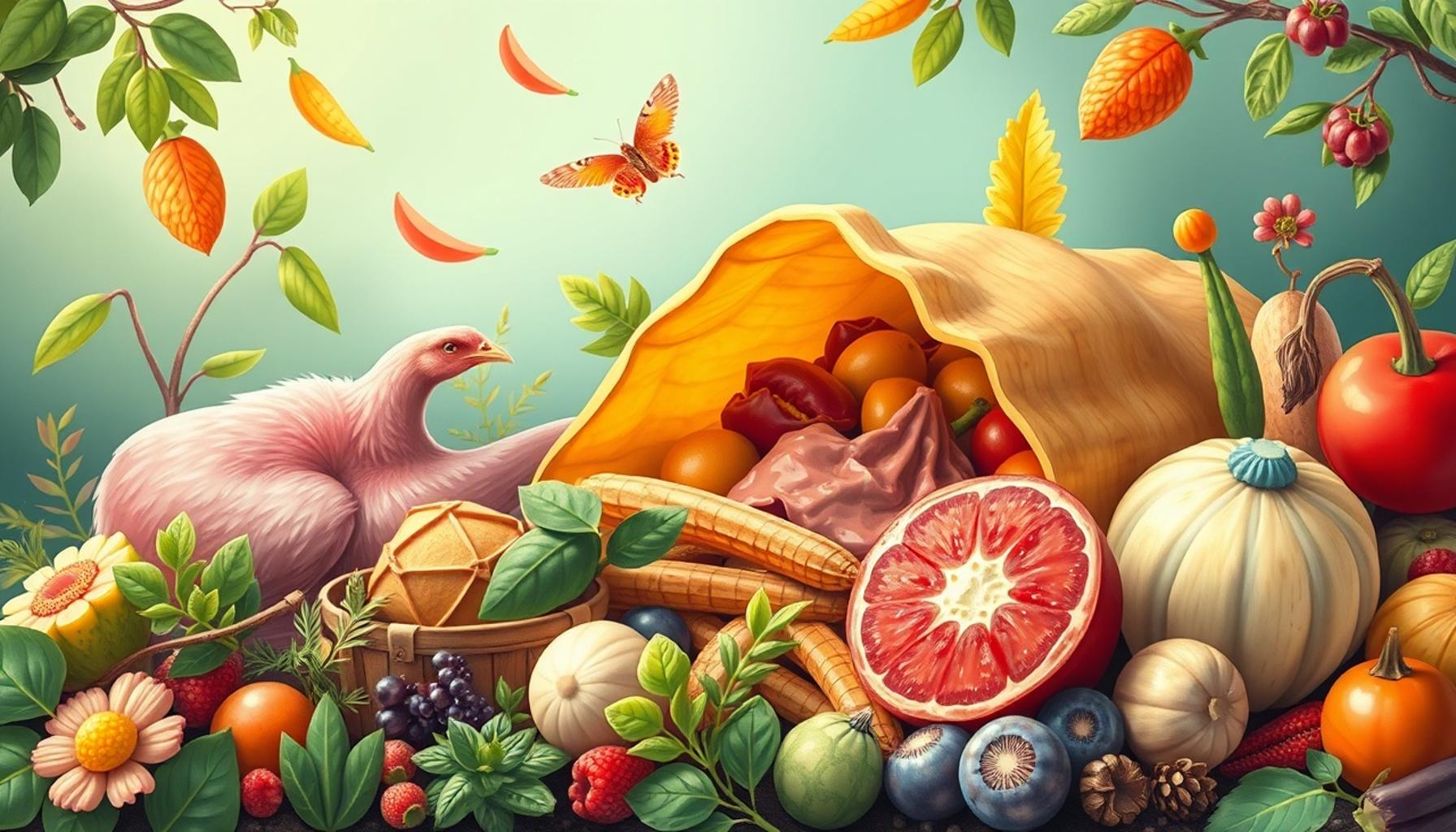
Understanding Natural Feeding in Pets
Pet owners today are increasingly exploring natural feeding options for their furry companions. This trend reflects a growing awareness of the importance of nutrition in pet health. But what does natural feeding truly entail, and what are the potential benefits and challenges associated with it?
Benefits of Natural Feeding
Improved overall health and vitality is one of the primary benefits of natural feeding. Many pet owners report that their animals exhibit increased energy levels and improved stamina after switching to a diet rich in whole, unprocessed ingredients. Natural feeding often incorporates fresh fruits, vegetables, and high-quality meats, all of which provide essential vitamins and minerals that promote optimal health.
Another significant advantage is the reduction in allergies and skin conditions. Commercial pet foods often contain fillers and artificial additives that can trigger allergic reactions in sensitive animals. By opting for natural feeding, pet owners can eliminate these potential allergens, leading to fewer cases of itchy skin or digestive disturbances. For instance, many dogs show significant improvement in skin irritations when switched to diets that utilize single-source proteins and minimal processing.
Enhanced digestion and nutrient absorption is also a notable benefit. Natural diets typically include ingredients that are easier for pets to digest, such as raw meats and vegetables, which can lead to more efficient nutrient absorption. This means pets not only get better nutrition from their food but also experience fewer gastrointestinal issues.
Challenges of Natural Feeding
On the flip side, there are significant challenges that must be considered. One of the most crucial aspects is ensuring balanced nutrition. It can be complex to craft a well-rounded natural diet that meets all of a pet’s dietary needs. Pet owners must be well-versed in nutritional requirements, which can sometimes necessitate consultations with veterinarians or pet nutrition specialists.
Higher costs compared to commercial pet food can deter some pet owners from making the switch. Fresh, high-quality ingredients can be significantly more expensive than mass-produced pet food options. However, many pet owners find that the long-term health benefits justify the initial investment.
Additionally, time-consuming meal preparation is a factor. Preparing fresh, home-cooked meals or sourcing high-quality raw ingredients can be more labor-intensive than simply pouring kibble into a bowl. This commitment requires a lifestyle change and thoughtful planning on the part of pet owners.
Conclusion
The debate surrounding natural feeding is multifaceted and deeply personal for each pet owner. While the potential health benefits can be substantial, the challenges associated with transitioning to a natural diet are significant. Understanding both sides of the issue can lead to well-informed choices that promote the health and happiness of pets. Ultimately, whether through consultation with professionals or diligent research, pet owners can create a fulfilling and nutritious eating plan tailored to their beloved companions.
The Impact of Ingredient Quality
One of the cornerstones of natural feeding is the quality of ingredients used. Pet owners looking to transition their furry friends to a more natural diet often emphasize the importance of whole foods free from preservatives and artificial substances. A significant aspect of this is the choice of protein sources. Many opt for locally sourced meats as they tend to be fresher and devoid of harmful additives commonly found in mass-produced commercial pet foods. Research has shown that quality protein contributes to better muscle development, energy levels, and overall health.
In addition to protein, fruits and vegetables play a crucial role in natural diets. Ingredients like sweet potatoes, carrots, and leafy greens deliver essential nutrients such as antioxidants and fiber, which support digestion and boost the immune system. When owners introduce these foods into their pets’ diets, they often witness noticeable improvements in both skin and coat health.
Popular Natural Feeding Approaches
Pet owners have several popular approaches when it comes to adopting a natural feeding regimen. Here are some common methods:
- Raw Feeding: This involves providing pets with uncooked, whole foods such as raw meat, bones, organs, and less common protein sources like fish or even game animals. Advocates believe this closely aligns with the ancestral diets of dogs and cats.
- Home-Cooked Meals: Some owners prefer whipping up meals at home, using high-quality ingredients formulated with the guidance of veterinarians. This method allows for complete control over what their pet consumes.
- Commercial Natural Brands: An increasing number of pet food companies are producing natural diets that boast minimal processing and wholesome ingredients. Many of these brands are certified organic or use sustainable farming practices, offering a convenient option for busy owners.
Regardless of the method chosen, pet owners are often urged to research and monitor their pets closely during the transition phase. It can be beneficial to introduce new foods gradually, allowing pet owners to observe any potential adverse reactions or digestive changes.
Understanding Dietary Needs
Before making any significant dietary changes, it’s essential for pet owners to understand their pet’s specific nutritional requirements. Different breeds, ages, and health conditions necessitate tailored diets. For example, puppies require higher protein content for growth, while senior pets may benefit from diets lower in calories but rich in fiber to assist digestion. Owners should consult with veterinarians or certified pet nutritionists to develop well-balanced meal plans, ensuring all essential nutrients, including proteins, fats, carbohydrates, vitamins, and minerals, are adequately addressed.
In summary, with the burgeoning interest in natural feeding for pets, there is a critical need to balance the positive aspects with careful considerations surrounding ingredient quality, preparation methods, and individual dietary needs. This holistic approach requires diligence but can lead to a happier, healthier life for pets. As discussed, the key factors involve ingredient choices, feeding methods, and understanding specific dietary requirements, all vital in guiding pet owners toward informed decisions for their beloved companions.
Natural Feeding: Benefits and Challenges in Pet Diets
As pet owners increasingly prioritize the health and wellness of their furry companions, the concept of natural feeding has taken center stage. This dietary approach emphasizes whole, unprocessed foods, promising numerous advantages for our pets. However, it also presents certain challenges that must be carefully navigated. Below is an informative table that highlights the various aspects of natural feeding in pet diets.
| Advantage | Details |
|---|---|
| Nutrient-Rich | Natural diets often contain essential vitamins and minerals that support overall health and vitality. |
| Improved Digestion | Whole foods can enhance gut health, promoting better digestion and nutrient absorption. |
Exploring the world of natural feeding entails understanding both its benefits and the challenges it poses. For instance, while the nutrient richness of natural diets can lead to healthier pets, there might be concerns regarding ingredient sourcing and balancing nutrients correctly. Additionally, pet owners might have to invest time in meal preparation, which can be a factor to consider. As these topics unfold, pet owners are encouraged to educate themselves on the complexities of natural feeding to make informed choices for their pets’ diets.
Navigating the Challenges of Natural Feeding
While the benefits of natural feeding are compelling, potential challenges also accompany this feeding approach. One of the most significant hurdles pet owners face is the risk of nutritional imbalances. Unlike commercial pet foods that are formulated to meet specific dietary requirements, homemade or raw diets can sometimes lack essential nutrients if not carefully balanced. For instance, a diet heavy on meat may overlook the necessary vitamins and minerals found in a varied selection of fruits and vegetables. As a result, pets could develop deficiencies that lead to health problems over time.
Another consideration is the time and effort involved in preparing natural meals. Many pet owners may find it challenging to dedicate the necessary time to research, plan, and prepare nutritious meals consistently. This aspect can deter owners who lead busy lives or those with multiple pets. Furthermore, proper food storage becomes crucial to ensure that raw ingredients remain safe, necessitating additional measures to prevent spoilage and contamination.
Health Risks of Raw Diets
Proponents of raw feeding argue that it aligns closely with the natural instincts of carnivorous pets. However, it is essential to consider the potential health risks associated with this diet. Bacterial contamination is a significant concern; raw meat can carry pathogens such as Salmonella and E. coli, which can pose severe health risks not only to pets but also to humans in the household. This necessitates rigorous food safety practices, including proper handling and thorough cleaning of preparation areas. For those considering this method, a veterinary consultation is advisable to weigh the risks and benefits specific to their pet’s health status.
The Cost Factor
Transitioning to a natural feeding regimen can also come with a higher price tag. High-quality ingredients, especially organic or locally sourced options, are often more expensive than mass-produced pet foods. For pet owners on a budget, this added expense can present challenges in maintaining a consistent feeding routine. Moreover, some owners may be tempted to cut corners by incorporating cheaper ingredients, which could ultimately impact their pet’s health and negate the benefits of a natural diet.
Behavioral and Environmental Considerations
Pet behavior can also play a role in the success of a natural feeding approach. Some pets may be picky eaters and reluctant to transition from their familiar processed diets to whole foods. Managing food preferences while maintaining a nutritious feeding plan can require patience and creativity. For example, blending familiar flavors with new ingredients can ease the transition process.
Environmentally conscious pet owners may be motivated by the ecological impact of their pets’ diets. Sustainable sourcing of ingredients is a vital consideration, given the environmental footprint of meat production. Many pet owners are increasingly aware of the agricultural practices associated with their purchases and may seek out brands or sources committed to sustainability. Utilizing locally sourced ingredients can contribute to a reduced carbon footprint, but ensuring that these sources adhere to ethical and environmentally friendly practices can be another layer of complexity in the decision-making process.
In conclusion, while natural feeding offers various benefits such as improved pet health and well-being, it is essential to navigate the challenges and considerations that come with this approach. Pet owners are encouraged to conduct thorough research and seek professional guidance to ensure their beloved companions receive balanced, nutritious diets while staying mindful of time, cost, and safety factors. The complexity of natural feeding demands diligence, fostering a deeper understanding of pet nutrition and contributing to a pet’s potential longevity and vitality.
Conclusion: Embracing the Journey of Natural Feeding
In summary, natural feeding presents a holistic approach to pet diets, promoting health benefits such as improved digestion, enhanced coat quality, and a more energetic lifestyle for pets. The potential for better health outcomes stands as a compelling reason for pet owners to consider this dietary shift. However, this journey is not without its challenges. From the potential for nutritional imbalances to the demands of preparation and cost considerations, each step requires careful thought and commitment.
Moreover, the health risks associated with raw diets, including bacterial contamination, underscore the importance of rigorous food safety practices and consultation with a veterinarian. Pet owners must also be aware of their pets’ behavioral tendencies and individual needs, making transitions smooth and enjoyable. Sustainability and environmental impact should also factor into dietary decisions, as the quest for ethically sourced ingredients becomes increasingly important to many consumers.
Ultimately, whether you are considering transitioning your pet to a natural diet or simply curious about the potential advantages, it is crucial to arm yourself with knowledge. By conducting research, engaging with professionals, and listening to your pet’s unique needs, you can make informed decisions that contribute significantly to their overall well-being. The path to natural feeding is an enlightening journey that not only enhances pet health but also cultivates a stronger bond between owner and pet, paving the way for longer, healthier lives together.